
Fire-Rated Plywood: What It Is, How It’s Made, and When to Use It
When it comes to building safety, choosing the right structural materials can make a life-saving difference. Fire-rated plywood stands out as one of the most practical and widely trusted solutions for modern construction, balancing strong fire performance, reliable structure, and easy usability. This guide will walk you through everything you need to know—from what fire-rated plywood is and how it’s made, to its key benefits, global safety standards, proper applications, and best installation practices—to help you use this material safely and correctly in any building project.
Table of Contents
What Is Fire-Rated Plywood?
Fire-rated plywood is a type of engineered wood panel. It is treated with special chemicals to support fire safety in buildings. It is also known as fire-retardant-treated plywood, or FRT plywood. This material is widely used in construction projects that need high safety standards.
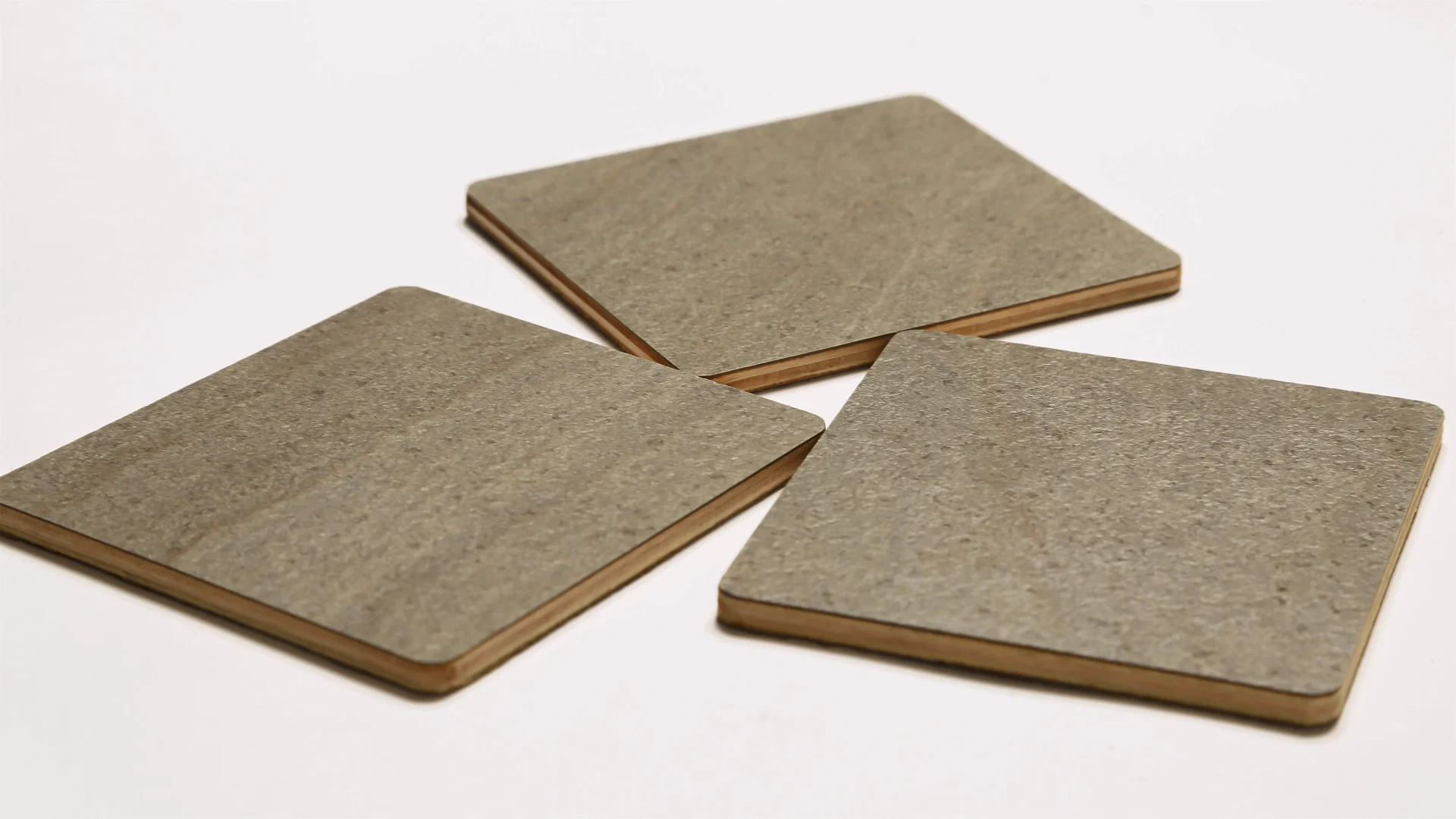
Source: SUMEC Building Material
Fire-rated plywood is not fully fireproof. It cannot stop a fire forever. But it can slow down fire and smoke very effectively. This gives people more time to escape and helps protect buildings from serious damage.
According to APA – The Engineered Wood Association, a top global authority for wood products, fire-rated plywood has three main jobs. First, it slows the spread of flame across surfaces. Second, it reduces the amount of smoke released during a fire. Third, it helps keep structures stronger for a longer time under heat.
When fire or high heat touches this plywood, it creates a hard, protective layer called char. This layer acts like a barrier. It blocks oxygen from reaching the inner wood. It also slows down burning and stops fire from spreading quickly.
All certified fire-rated plywood must pass strict international tests. These tests measure how well the product performs in real fire conditions. Only products that pass can be used as fire-rated building materials. This makes fire-rated plywood a safe and dependable choice for many important building projects.
How Is Fire-Rated Plywood Made?
Fire-rated plywood is made through a controlled, industrial treatment process. This process pushes fire retardant chemicals deep into wood layers. It is not just a surface coating.
First, manufacturers select high quality wood veneers as the base material. Common choices include poplar, pine, and birch. These thin wood sheets are dry and ready for treatment.
Next, the veneers go through a pressure impregnation process. They are placed in a large, sealed tank. Air is removed to create a vacuum. Then, fire retardant chemicals are added under high pressure. This step makes sure chemicals soak all the way through the wood.
After treatment, the veneers are carefully dried to lock in the formula. They reach a stable moisture level for construction use. This step keeps the plywood strong and avoids warping.
The treated veneers are then layered and glued with heat and pressure to form panels. This is the same method as regular plywood, but with fire retardant veneers as the core material.
Finally, every panel is tested and certified to meet international standards. Only panels that pass can be labeled as fire rated plywood. This ensures consistent performance and safety for global building projects.
What Are Its Key Benefits?
Fire-rated plywood brings great value to construction projects. Its core advantages are recognised by ASTM International and APA.
- Reliable fire protection
It effectively slows flame spread and lowers smoke output. This creates extra time for people to leave the building safely. It can reach top fire performance levels defined in the widely used ASTM E84 standard.
- Stable structural strength
The panel keeps most of its toughness when exposed to high heat. It is less likely to collapse suddenly, so it better protects the whole building structure. This feature is clearly stated in the official technical guides from APA.
- Meets mainstream building codes
Certified products follow rules set by the International Building Code (IBC). They easily pass official safety checks for commercial and public buildings.
- Easy to work with
It can be cut, drilled and mounted with common tools, just like standard plywood. Construction teams do not need special equipment for installation.
- Long-lasting performance
Quality panels hold steady fire resistance for many years. Products with UL certification prove consistent performance through long-term professional tests.
What Fire Ratings & Standards Apply?
Fire-rated plywood must follow unified global test and classification rules to get official approval for construction use. All widely accepted fire safety ratings come from ASTM International, UL for North America and EN Euroclass for Europe. These official standards clearly define fire performance for builders, inspectors and buyers around the world.
Two main classification systems are used across global markets. The tables below show their official grades and common uses.
1. North American Fire Classification (ASTM E84 / UL 723)
ASTM E84, also named UL 723, is the key test for interior building materials. It checks two core values: Flame Spread Index (FSI) and Smoke Developed Index (SDI). The International Building Code (IBC) uses these results for safety rules.
| Fire Class | Flame Spread Index (FSI) | Smoke Developed Index (SDI) | Common Application Scenarios |
| Class A | 0 – 25 | 0 – 450 | Public buildings, corridors, exit routes and commercial spaces |
| Class B | 26 – 75 | 0 – 450 | Regular commercial buildings and light industrial interiors |
| Class C | 76 – 200 | 0 – 450 | Ordinary non-key areas in residential buildings |
2. European Fire Classification (EN 13501-1 Euroclass)
EN 13501-1 is a required standard for building materials sold in Europe. It judges products by how much they feed fire, create smoke and produce burning droplets.
| Euroclass | Fire Performance Feature | Smoke & Droplet Level | Typical Usage |
| A1 / A2 | Non-combustible or very hard to burn | Low smoke, no burning droplets | Hospitals and high-risk public facilities |
| B | Adds little to fire spread | s1 (low smoke), d0 (no droplets) | Schools, offices and shops; the most common grade for fire-rated plywood |
| C | Moderate flammability | Medium smoke, few burning droplets | General interior construction work |
Key Authoritative Note
Please note the difference between two types of fire ratings. The grades above are surface burning ratings for single plywood panels, tested under ASTM E84 and EN 13501-1. Ratings like 1-hour or 2-hour fire resistance apply to full wall or ceiling systems, not individual panels. These full assemblies are tested following ASTM E119.
When & Where Should You Use It?
Fire-rated plywood is required in many building areas to meet global safety codes. It works well in places where fire risk is higher or strict rules apply.
First, it is widely used in public buildings. This includes schools, hospitals, shopping centers and government offices. These spaces hold large groups of people, so fire protection is a top priority.
It is also a standard choice for exit paths and corridors. Hallways, stairways and emergency exits need materials that slow fire and smoke. This keeps escape routes safe for everyone.
Many commercial interiors rely on this material too. Offices, restaurants and retail stores often follow IBC rules. Fire-rated plywood helps these spaces pass safety checks easily.
You will also find it in parts of multi-family residential buildings. Shared lobbies, shared hallways and common rooms all need proper fire-resistant materials.
In short, always pick fire-rated plywood when local building codes ask for improved fire performance. It keeps the building safe and fully follows official standards.
Installation & Best Handling Practices
Fire-rated plywood is installed much like standard plywood. Follow these clear rules to keep its fire-resistant performance fully intact. These tips align with common industry guidance.
- Proper storage
Keep panels dry and store them under cover. Place them flat on a firm base. Too much moisture will weaken fire resistance and lead to warping. Do not stack panels to an excessive height.
- Basic processing
You can cut, drill and shape the plywood with regular carpentry tools. No special equipment is required for daily work.
- Seal all joints
After installation, close every gap between panels. Open spaces allow fire and smoke to spread quickly inside walls or ceilings.
- Firm fixing
Use standard nails or screws to attach the panels tightly. Loose boards may leave hidden gaps and raise fire risks.
- Choose approved finishes
Do not apply ordinary thick paint or untested chemical coatings. These extra layers can affect certified fire performance. If you need a surface finish, only use products made for fire-rated wood materials.
- Follow local codes
Always carry out work in line with local building safety rules. Correct handling and installation ensure the material works as tested.
Conclusion
To sum up, fire rated plywood is an indispensable building material that effectively improves construction fire safety while maintaining easy processing and installation. By slowing flame spread, reducing smoke, and retaining structural strength, it creates critical evacuation time and helps projects meet strict global building codes. Following proper storage, sealing, fixing, and finishing practices ensures its certified fire performance remains effective. As a widely recognized and code compliant solution, fire rated plywood will continue to play an important role in safe, reliable, and standard compliant construction around the world.
FAQ
Here are common questions about fire-rated plywood and clear answers for your reference:
- Is fire-rated plywood completely fireproof?
No. It is fire-resistant, not fully fireproof. It slows flame spread and buys escape time, but it will burn under long exposure to strong fire.
- Can I use it for all fire-resistance projects?
Check local building codes first. Its surface fire rating cannot replace full fire-resistance for entire wall or ceiling systems.
- Does cutting damage its fire performance?
Normal cutting does not affect overall performance. Just remember to seal all cut edges and panel joints during installation.
- How long can this material last?
With proper dry storage and regular use, it keeps stable fire-resistant ability for many years.
Learn More About Our Products?
Contact Now