

News
September 11, 2026

Door-to-door logistics relies on a single service provider to coordinate end-to-end transportation, which can greatly reduce cargo damage of building materials
September 10, 2026

Basic Material and Core Composition of WPC Flooring WPC Flooring is a popular new type of interior floor decoration material
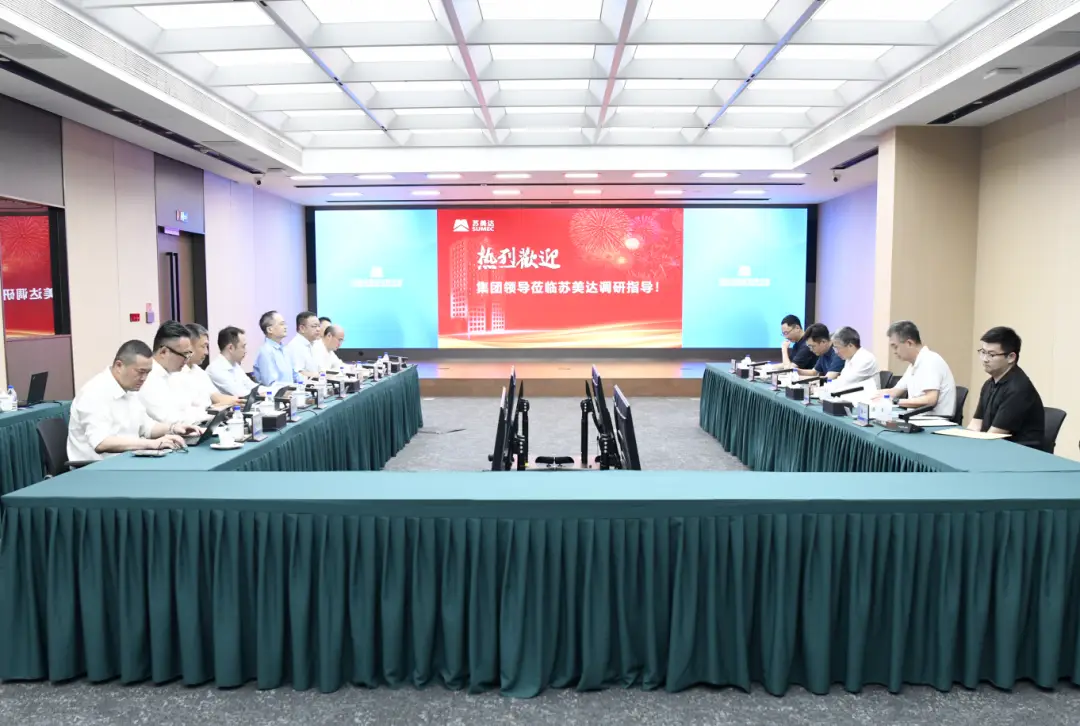
Shen Ruihong, Member of the Standing Committee and Deputy General Manager of SINOMACH Party Committee, Inspects SUMEC
On August 27, Shen Ruihong, Member of the Standing Committee and Deputy General Manager of the Party Committee of China National Machinery Group (SINOMACH), conducted an inspection tour of SUMEC to gain in‑depth insights into SUMEC’s business performance and its 15th Five‑Year strategic planning. Zhang Yu, Director of the Operation and Management Department of SINOMACH, accompanied the inspection. Corporate leaders Yang Yongqing, Wang Jian, Zhong Yiwei, Hu Haijing and Zhang Xin took part in the inspection.
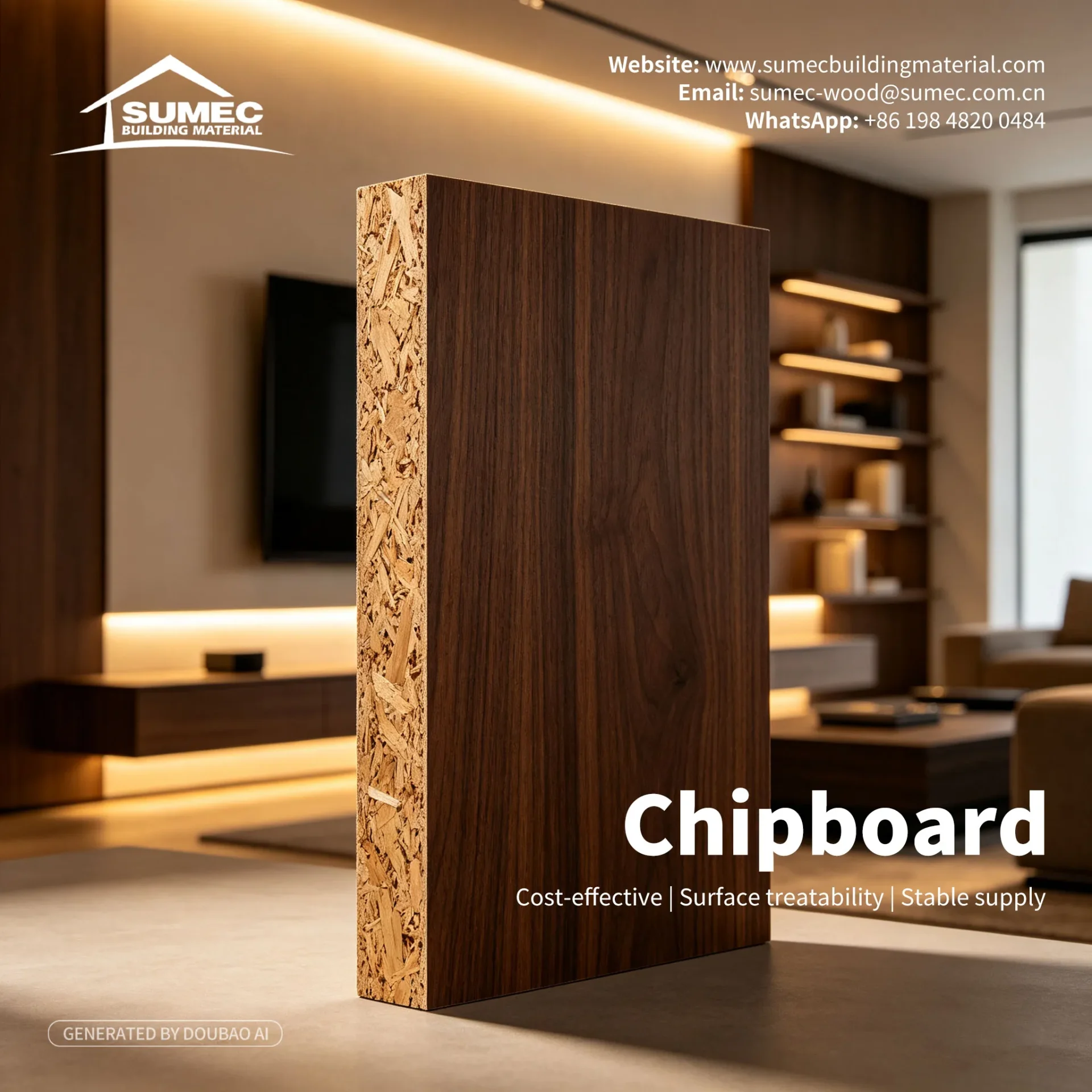
Chipboard: Analysis of Export Market in Southeast Asia
Against the backdrop of restructuring in the global woodbased panel trade landscape, chipboard stands out as one of the core categories for woodbuildingmaterial exports, thanks to its costeffectiveness, wide adaptability and high rawmaterial utilization rate. As trade barriers keep rising and competition becomes saturated in European and American markets, Southeast Asia, driven by booming infrastructure, largescale homegoods manufacturing industries and growing urbanrelated demand, has gradually evolved into one of the most promising growth tracks for global chipboard exports, as well as a key battleground for foreigntrade players exploring incremental markets. This article comprehensively analyzes the demand logic, supplydemand pattern, trade strengths, existing challenges and future development trends of the Southeast Asian chipboard export market, providing references for industry overseastrade planning.
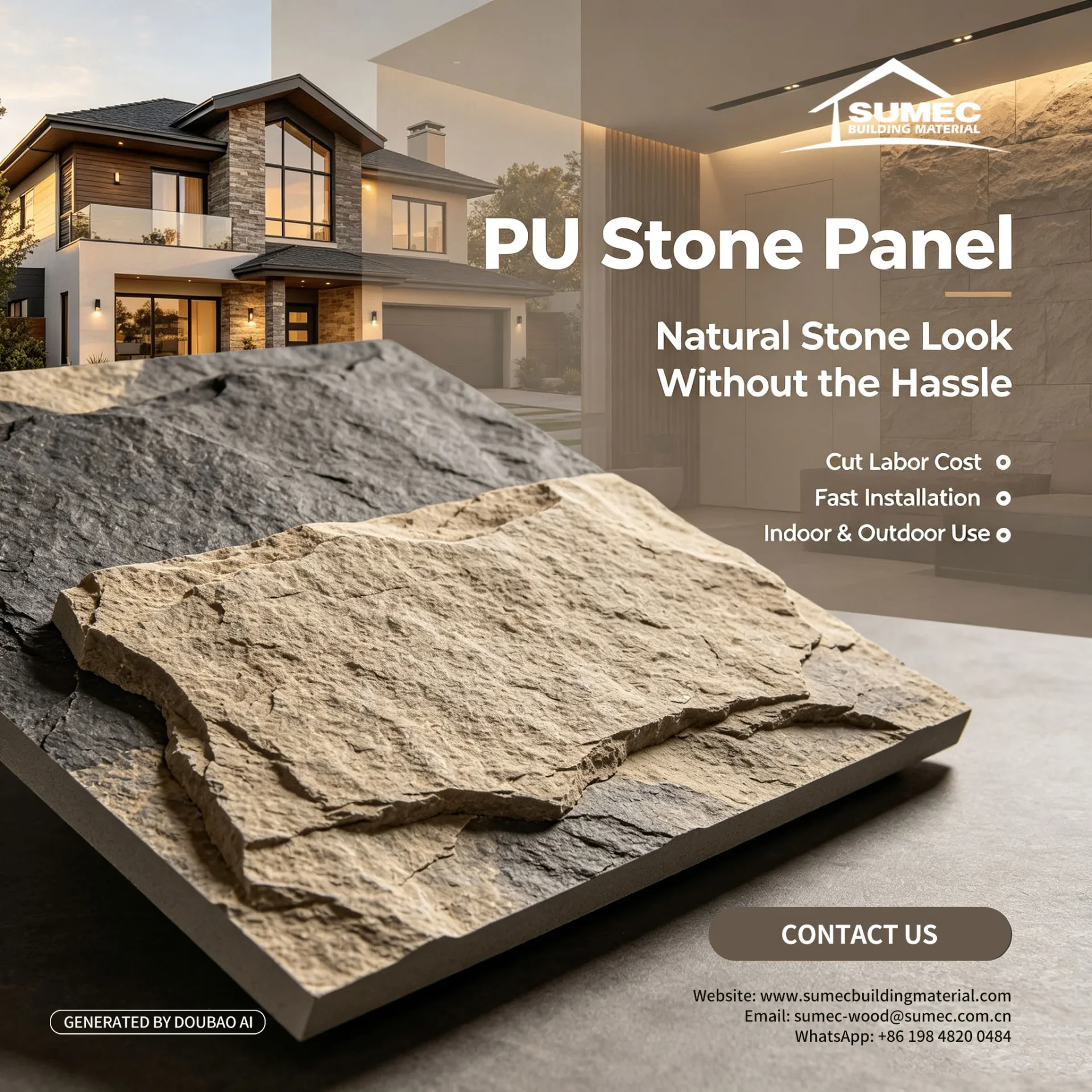
Application Introduction of PU Stone Panels
In the architectural decoration sector, stoneimitating finishing materials have become a key option for design and material selection. Made with highdensity polyurethane substrates, PU stone panels replicate the texture and tactile quality of natural marble. Balancing visual performance and practical material properties, they overcome limitations of natural stone in weight, installation and environmental adaptability, and are widely adopted in home decoration, commercial fitouts, outdoor landscapes and renovation projects.
What Types of Building Panel Does Vietnam Need?
According to the latest data from Vietnam’s Ministry of Construction, Vietnam’s construction output value rose by approximately 6.5 % year‑on‑year in 2025, remaining a pillar of the national economy. By 2030, Vietnam’s urbanization rate is projected to approach 45 %, which translates into an annual demand for up to 70 million square metres of new housing, together with supporting commercial and industrial buildings.
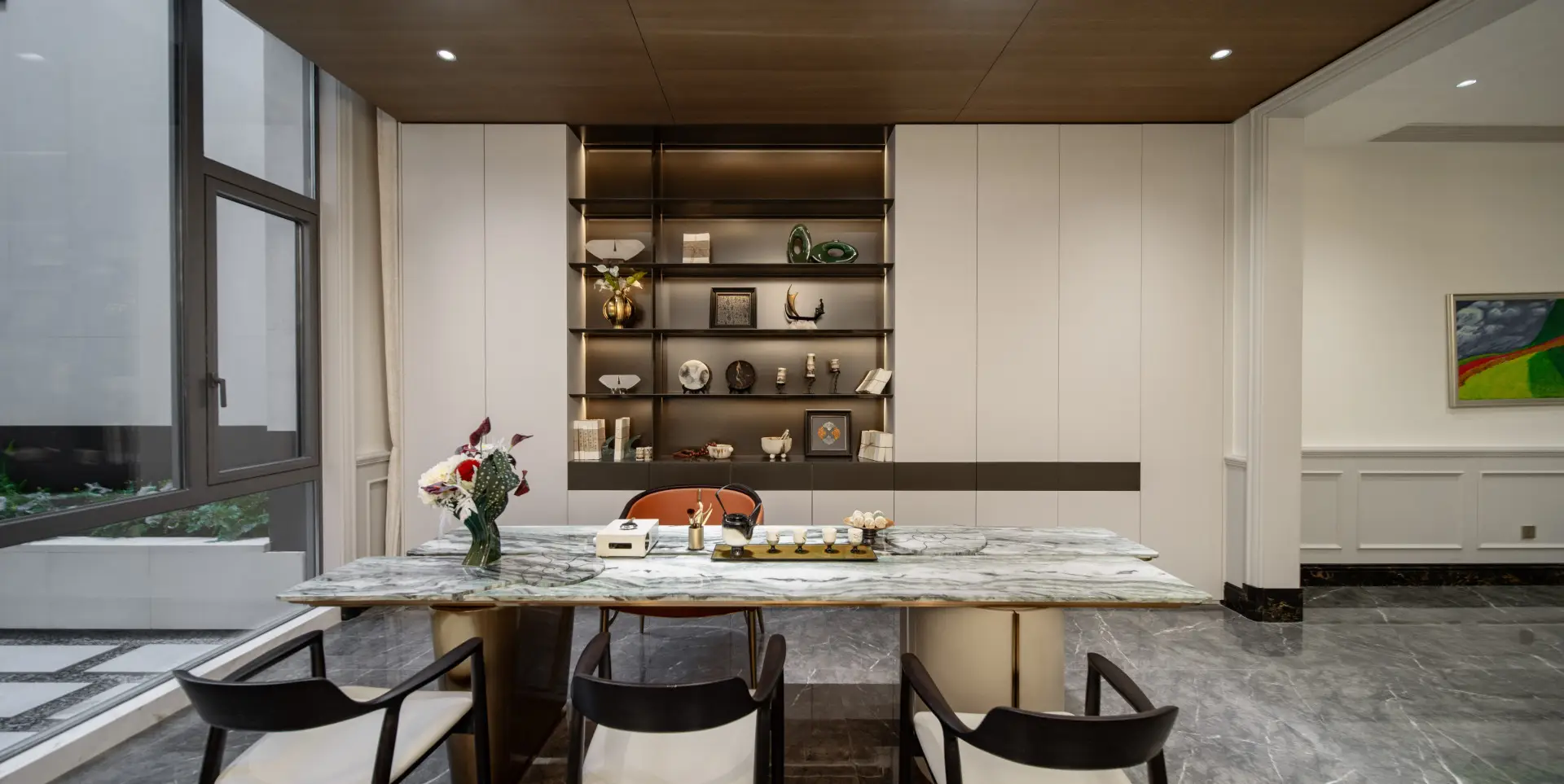
Selecting Wood for Interior Renovation
Choosing wood for interior renovation can be a real headache. Wood is indispensable for building wardrobes and cabinets, laying flooring, or installing feature walls. However, the market offers a bewildering variety of wood‑based materials. With merchants making exaggerated claims, novice homeowners are easily misled. Some people spend more than two weeks agonizing over wood selection. Today, we lay out five of the most commonly‑used wood‑based panels for interior renovation, helping you avoid unnecessary pitfalls and make informed choices.

Triply Shuttering Plywood Foreign Trade Market Analysis: Export Trend and Industry Layout in 2026
Against the backdrop of steady global infrastructure construction and booming overseas decoration engineering, Triply Shuttering Plywood has become one of the most competitive segmented products in China’s wood-based panel export sector. With its unique three-layer cross-laminated structure, stable physical properties, lightweight advantages and cost-effective pricing, this product is widely used in overseas building formwork, exterior wall decoration, ventilation shutter production and temporary engineering facilities. In recent years, the global three-layer shuttering plywood market has maintained a stable growth trend. Supported by continuous urbanization and infrastructure renewal in emerging economies, the market size is growing at a steady compound annual growth rate, and industry institutions predict that the global market will continue to expand steadily until 2032, bringing long-term and stable export dividends for Chinese manufacturers.

Restructuring of Cross-Border Logistics Landscape: Overseas Warehouses Evolve into Standard Infrastructure
In 2026, global cross-border trade regulations will undergo a round of intensive adjustments. The United States officially closes the T86 de minimis parcel exemption channel, and the European Union cancels the tax exemption policy for parcels worth less than 150 euros. These changes have driven a sharp rise in the costs of the direct mail model. Coupled with the continuously improving requirements of overseas consumers for logistics timeliness, overseas warehouses are no longer a exclusive competitive advantage for large sellers, but have gradually become a basic standard configuration for cross-border export enterprises, triggering an overall restructuring of the cross-border logistics industry.
Structural Transformation Trends of Global Plywood Export Trade
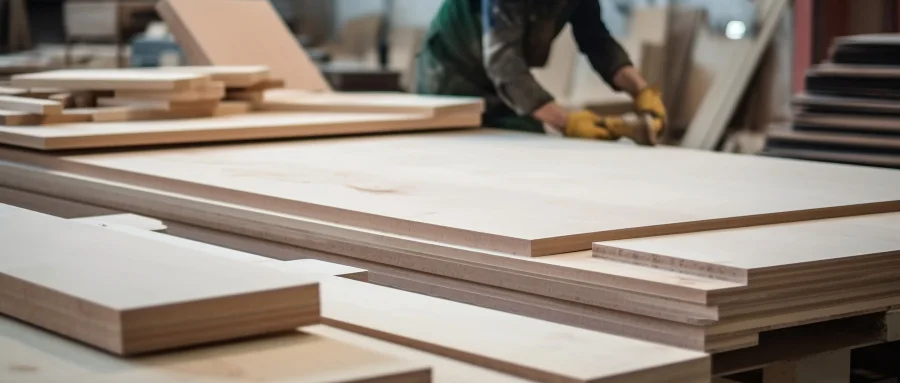
As a fundamental building material widely used in global infrastructure construction, home manufacturing and logistics packaging, plywood trade has long maintained active momentum in the international market. With the changes in global construction rhythms, the upgrading of green access standards and the adjustment of regional competition patterns, the plywood export industry is gradually moving away from the development model prioritizing scale expansion and stepping into a new stage featured by differentiated demand, compliance priority and value-oriented competition. Foreign trade practitioners need to continuously insight into market changes and adjust operational strategies to adapt to the evolving global trade environment. In terms of global demand patterns, market demands show distinct differentiation across regions. The market demand in mature economies is closely linked with the cycles of real estate and infrastructure sectors, where purchasers pay greater attention to product stability, environmental protection indicators and complete traceability documents. Emerging markets sustain relatively steady procurement demand for wood panels thanks to ongoing urbanization and infrastructure development, maintaining viable market space for general construction and decorative plywood. Meanwhile, the steady expansion of modular buildings and prefabricated home decoration industries has driven the growing demand for high-strength, moisture-proof, custom-finished functional plywood. Diverse application scenarios have given rise to differentiated procurement standards, intensifying competition for conventional general-purpose panels, while products with targeted functional advantages are more likely to secure long-term cooperative orders.