
WPC Wall Panel vs PVC Wall Panel: Complete Comparison Guide
WPC wall panels are better for outdoor cladding and high-traffic feature walls, while PVC wall panels work best for indoor wet areas that need a budget-friendly, low-maintenance option. Both materials serve different purposes based on where you plan to use them and what conditions they’ll face.
This guide explains what makes each material different, including their composition, strength, and best uses. You will learn which panel type fits your specific project and how to pick between them based on real performance factors.
What is WPC Panel?
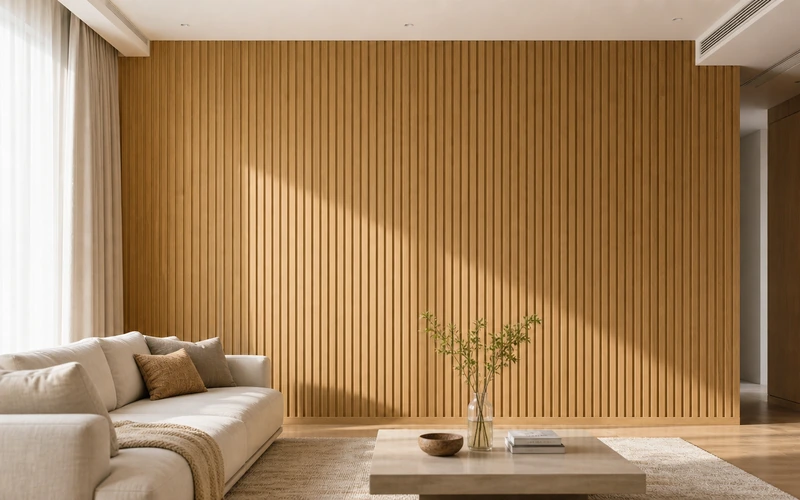
WPC panels are wall coverings made from a mix of wood fibers and plastic materials. The term WPC stands for Wood Plastic Composite. These panels combine natural wood particles with thermoplastic resins to create a durable building material.
Key characteristics of WPC panels include:
- Natural wood appearance and texture
- Resistance to moisture and rot
- Higher durability than pure wood
- Environmentally friendly composition
WPC panels contain real wood fibers. The wood component provides warmth and visual appeal. The plastic portion adds strength and protects against water damage.
What is PVC Panel?
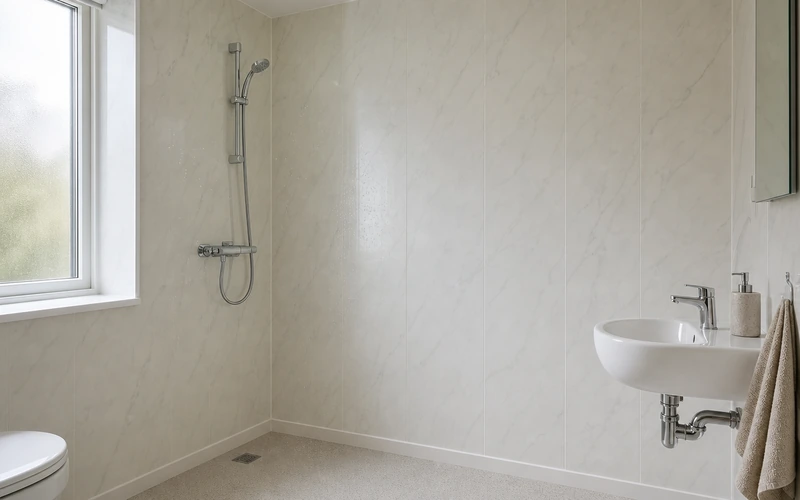
PVC panels are wall and ceiling covering materials made from polyvinyl chloride, a type of plastic. They come in sheets or planks that install directly onto walls or ceilings.
Key characteristics of PVC panels include:
- Completely waterproof construction
- Lightweight material that simplifies handling
- Smooth plastic surface that resists moisture
- Available in various colors and patterns
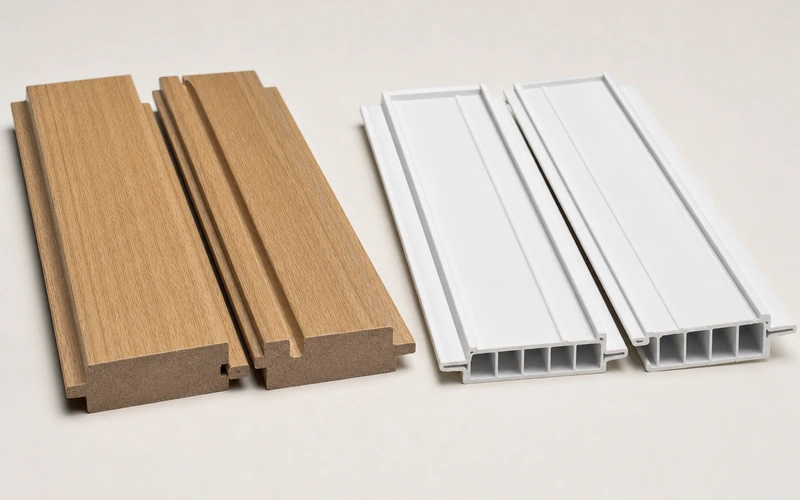
Unlike wood plastic composite materials that blend wood fibers with plastic, PVC panels contain only plastic. This makes them lighter than WPC panels but less resistant to impacts and scratches.
What Are The Differences Between WPC and PVC Panels?
The core difference between WPC and PVC panels comes down to what they are made of: WPC blends wood fiber with thermoplastic resin, while PVC is pure vinyl with no organic content. That single distinction shapes how each panel performs on weight, water resistance, impact strength, acoustics, fire behavior, and cost.
The table below compares both materials across the factors that matter most when choosing a wall panel:
| Feature | WPC Panels | PVC Panels |
| Core Material | Wood fiber + thermoplastic | 100% polyvinyl chloride |
| Density | Higher | Lower |
| Weight | Heavier | Lighter |
| Moisture Resistance | Good | Excellent |
| Water Resistance | Moderate | Complete waterproof |
| Impact Resistance | High | Moderate |
| Scratch Resistance | High | Moderate |
| UV Resistance | Good with treatment | Fades without additives |
| Fire Resistance | Class B achievable (with flame retardant) | Self-extinguishing, softens under heat |
| Thermal Insulation | Better | Standard |
| Acoustic Properties | Superior sound dampening | Basic sound reduction |
| Design Options | Wood-like textures | Smooth, varied colors |
| Installation | Requires cutting tools | Easy cutting, lightweight |
| Maintenance | Wipe clean, no sealing | Wipe clean only |
| Lifespan | 15-25 years | 10-20 years |
| Recyclability | Limited | Recyclable |
| Cost | $3-8 per sq ft | $2-5 per sq ft |
What Are The Best Conditions for WPC Panels?
WPC panels work best in high-traffic areas and spaces exposed to moisture. The wood-plastic composite structure resists impacts better than standard materials.
Ideal Locations:
- Covered facades, balconies, and semi-outdoor walls (UV and weather resistant)
- Feature walls and hospitality interiors needing wood-grain realism
- Living rooms, hallways, and commercial spaces with heavy foot traffic
- Acoustic-sensitive rooms such as offices and studios
WPC panels handle temperature changes well. They resist warping and cracking in environments where conditions shift often.
What Are The Ideal Applications for PVC Panels?
PVC panels work best in indoor spaces that need moisture resistance and easy maintenance. They perform well in bathrooms, kitchens, laundry rooms, and basements where humidity levels run high.
Common PVC Panel Applications:
- Bathroom walls and ceilings
- Kitchen backsplashes
- Commercial kitchens and food preparation areas
- Hospital rooms and medical facilities
- Retail store interiors
- Office spaces
- Basement finishing
- Laundry rooms
PVC panels should not be used outdoors. Direct sunlight causes them to warp and fade. They also lack the structural strength needed for exterior applications or high-impact areas.
FAQs
Is WPC better than PVC for wall panels?
Neither is universally better. WPC excels outdoors and on high-traffic feature walls with wood-grain realism and acoustics. PVC wins in indoor wet areas and budget projects, offering full waterproofing, light weight, and lower cost.
Are WPC wall panels fully waterproof?
No. WPC panels are highly moisture-resistant, not fully waterproof. The plastic encapsulates the wood fiber to resist humidity and splashes, but for constant water contact like shower enclosures, fully waterproof PVC is the safer choice.
Can WPC wall panels be used outdoors?
Yes. WPC handles UV, temperature swings, and weather better than PVC, making it suitable for covered facades, balconies, and semi-outdoor walls. For fully exposed exteriors, choose co-extruded WPC cladding with a protective capped surface.
Conclusion
Both WPC and PVC wall panels are durable, moisture-resistant materials, but the right choice depends on where and how they will be used. Choose WPC for outdoor cladding, feature walls, and high-traffic interiors where strength, wood-grain appearance, and sound dampening are important. Choose PVC for indoor wet areas, ceilings, and budget-conscious projects where waterproofing, light weight, and easy maintenance are priorities.
Before making a final decision, buyers should match the panel to the installation environment and confirm the required specifications and certifications for their market. To learn more about wall panels and other building material solutions, visit the SUMEC Building Material website.
Learn More About Our Products?
Contact Now