
MDF vs HDF: How They Differ and What They’re Good For
MDF and HDF are two of the most commonly used engineered wood materials in home improvement and DIY projects. Industry professionals often require clear data comparisons to support accurate material selection. This blog clearly compares density, strength, durability, finishing, cost and environmental impact between MDF and HDF. With simple data and practical tables, it supports data-driven panel selection aligned with project requirements, budget, and application environment.
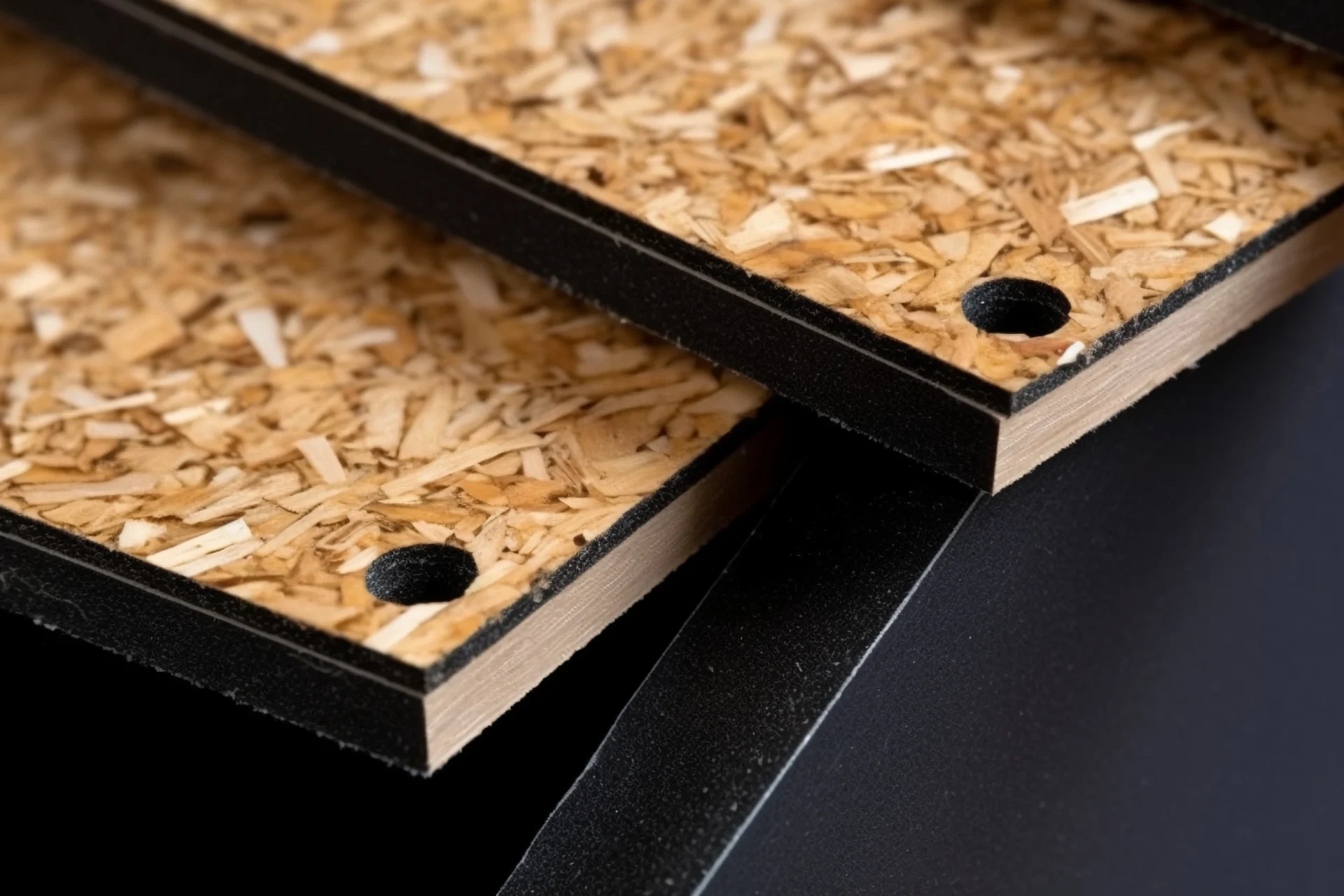
Image Source:699pic.com
Table of Contents
What Are MDF and HDF?
MDF (Medium Density Fiberboard) is a widely used engineered wood product. It is made by mixing wood fibers, wax, and synthetic resin binders, then pressing the mixture under high heat and controlled pressure. MDF has a flat knot-free surface and no natural wood grain flaws. This uniform texture makes it easy to cut and shape, suitable for standard interior applications requiring consistent machining and finishing.
HDF (High Density Fiberboard) is a heavy-duty engineered wood variant. It uses finer wood fibers and resin, pressed at much higher pressure than MDF to create a denser panel. HDF has a rigid structure and an ultra-smooth surface. It is designed to resist wear and support weight, ideal for high-traffic, structurally demanding interior applications.
MDF and HDF are both man-made wood alternatives. They use recycled wood scraps instead of whole trees, offer consistent finish quality, and replace solid wood for furniture and cabinetry. The only core difference is density, which directly shapes their strength, durability, and best use cases.
Key Differences in Density, Strength and Durability
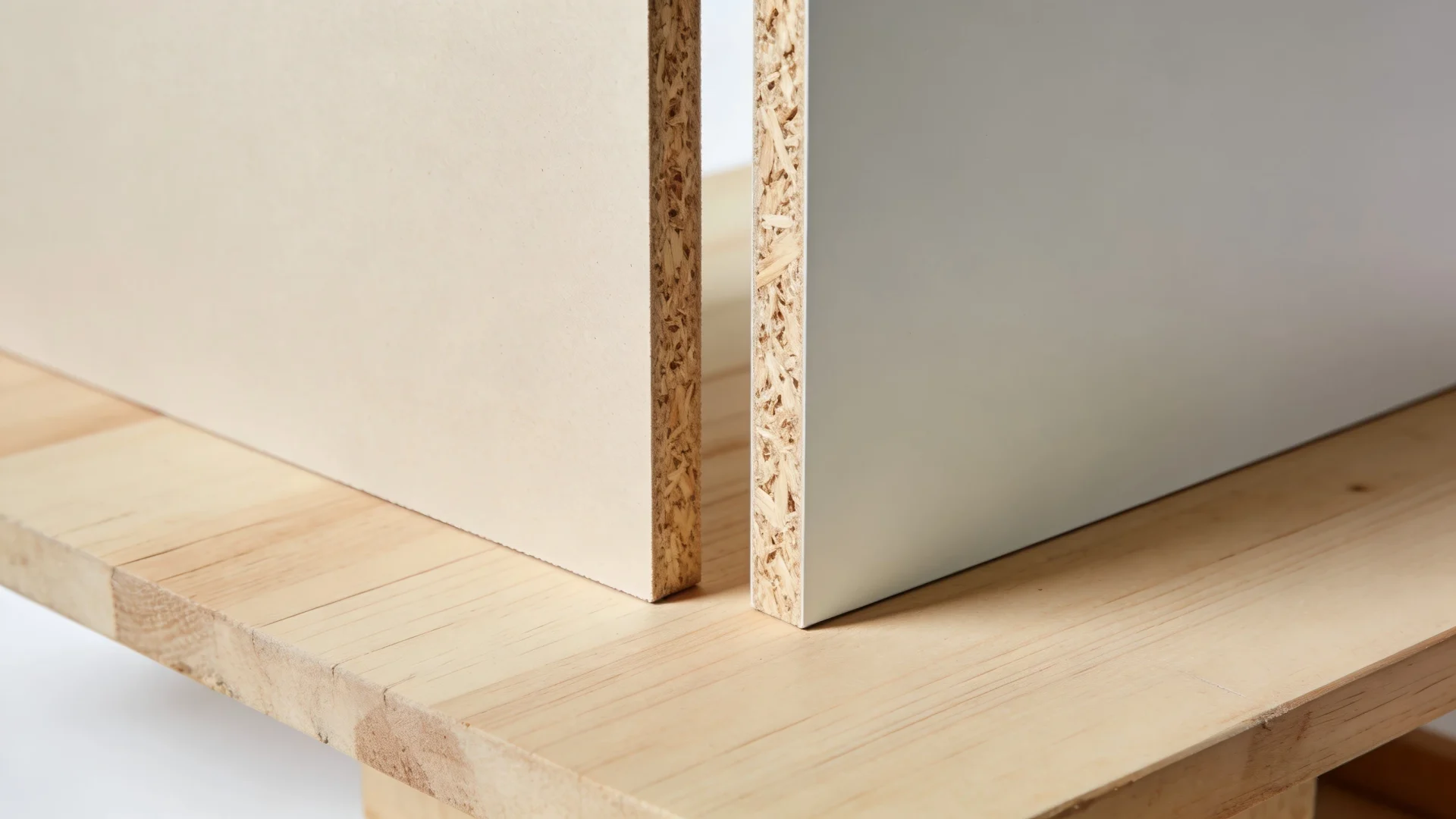
Image Source:699pic.com
Density is the root cause of performance gaps between MDF and HDF. It directly affects three critical traits: structural strength, moisture resistance, and long-term durability. Neither product is fully waterproof, so both require protection from standing water. The table below lists clear and measurable contrasts between MDF and HDF:
| Feature | MDF | HDF |
| Density Range | 600–800 kg/m³ (fixed) | 800–1,100 kg/m³ (fixed) |
| Structural Strength | Moderate; supports light loads only | High; supports heavy, constant loads |
| Moisture Resistance | Low; swells immediately in damp air | Moderate; resists mild humidity and small splashes |
| Long-Term Durability | Short lifespan; sags with heavy daily use | Long lifespan; withstands high traffic and repeated use |
MDF performs well only in dry, low-traffic indoor spaces. It cannot hold heavy weight or handle moisture, so it will bend or warp in high-stress conditions. HDF stays rigid under heavy loads and tolerates mild humidity, making it suitable for busy, high-wear areas. HDF still needs edge sealing for damp spaces like bathrooms, but it outlasts MDF in all non-outdoor conditions.
Daily usability also differs sharply for builders and DIYers. This table compares real-world handling traits to eliminate vague descriptions:
| Daily Use Trait | MDF | HDF |
| Load-Bearing Limit | Poor; sags on spans longer than 24 inches | Excellent; stays rigid on spans up to 36 inches |
| Machinability | Easy; cuts with standard hand/power tools | Difficult; requires sharp, heavy-duty blades |
| Chipping Risk | Low; no splintering with clean cuts | High; chips easily with dull tools |
| Warp Risk | High; warps with 5%+ humidity changes | Low; holds shape with 10% humidity changes |
Practical Uses: Where to Choose MDF vs. HDF?
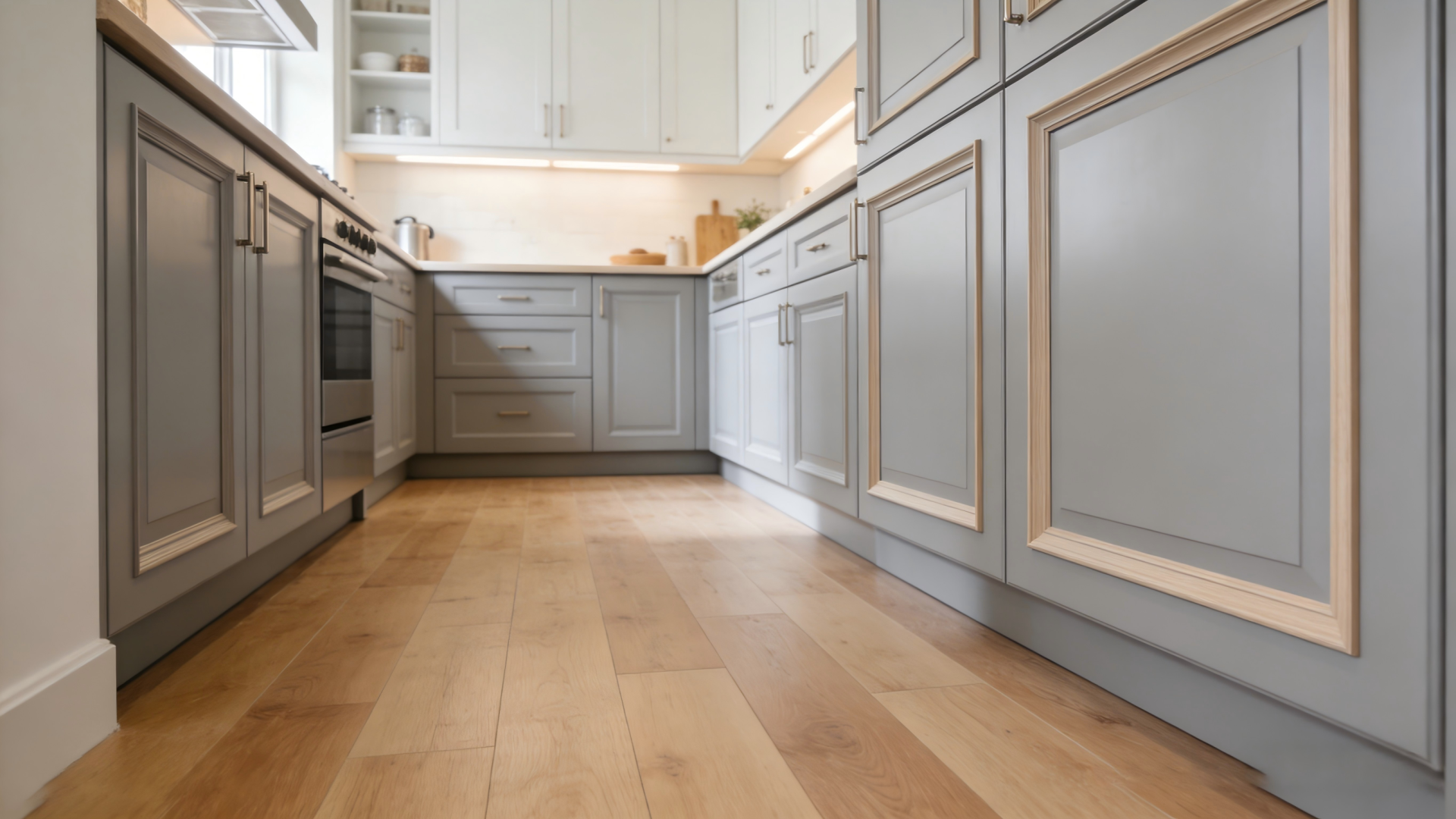
Image Source:699pic.com
Selecting MDF or HDF depends on three factors: project location, daily traffic level, and weight-bearing needs. This table matches each material to specific projects with clear purpose statements:
| Project Category | Best Material | Verified Reason |
| Decorative cabinet doors, wall trim | MDF | Smooth grain-free surface; easy to shape for custom designs |
| Laminate flooring cores, hallway floors | HDF | High rigidity; resists foot traffic wear and indentation |
| Light-use bookshelves, bedroom wardrobes | MDF | Low cost; smooth finish for indoor low-wear furniture |
| Sealed kitchen cabinets, bathroom vanities | HDF | Moderate moisture resistance; handles daily heavy use |
| DIY crafts, small wall decor pieces | MDF | Easy to cut with basic tools; affordable for small projects |
| Commercial display units, interior door skins | HDF | Durable; resists scuffs and maintains shape with constant use |
MDF is limited to dry, indoor, low-traffic projects where appearance matters more than strength. It works for decorative trim, lightweight furniture, and hobby crafts, as it does not require heavy load support or moisture resistance.
HDF is designed for indoor high-traffic, weight-bearing projects that need long-term durability. It works for flooring, heavy-use cabinets, and commercial fixtures, and can be used in mildly damp spaces when fully sealed. HDF is not suitable for outdoor use under any conditions.
How Do They Perform for Finishing?
Both MDF and HDF accept paint, laminate, and veneer finishes, but their performance varies in precision, ease, and longevity. All key terms are defined, and no vague adjectives are used to describe finish quality.
MDF has a uniform, grain-free surface that covers completely with one to two coats of paint. It sands smoothly and can be carved into detailed shapes without splintering. It works for matte, satin, and glossy paint finishes, with no visible grain or knots showing through. MDF requires only light sanding and edge sealing before finishing, enabling consistent, high-quality finishing for standard interior applications.
HDF has a denser, flatter surface than MDF, which holds high-gloss lacquer and printed wood grain better over time. It resists scuff marks on finished surfaces and does not fade quickly with daily use. HDF can be painted or laminated, but it needs sharp tools for pre-finish shaping. It delivers a professional, polished look that lasts 2–3 times longer than MDF finishes in high-traffic areas.
Critical Finishing Rule (for both materials): Seal all cut edges with a primer or wood sealer before applying topcoat. Unsealed edges absorb moisture quickly, causing swelling, warping, and finish peeling. This step extends the lifespan of both MDF and HDF projects by 3–5 years.
Which Is More Budget-Friendly: MDF or HDF?
Cost differences between MDF and HDF come from manufacturing pressure, raw material fineness, and production energy. This table uses verified retail price ranges and measurable value metrics:
| Cost & Value Metric | MDF | HDF |
| Average Retail Price in North America (per sq. ft) | $0.70–$2.00 | $1.50–$3.00 |
| Upfront Cost Rank | Low; affordable for small budgets | High; requires larger initial investment |
| Expected Lifespan (indoor use) | 3–5 years with light use | 10–15 years with heavy use |
| Availability | All home improvement stores; in stock | Special order at most home improvement stores |
| Bulk Discount (100+ sq. ft) | 10–15% off retail price | 20–25% off retail price |
MDF saves money for short-term, low-use projects where replacement after 3–5 years is acceptable. It is the best choice for temporary decor or small DIY projects with tight budgets.
HDF costs more upfront but delivers better long-term value. Its 10–15 year lifespan eliminates frequent repair or replacement costs, making it cost-effective for permanent home upgrades like flooring and kitchen cabinetry.
What Are the Environmental Impacts of MDF and HDF?
Both MDF and HDF are more sustainable than solid wood, as they use wood waste fibers instead of harvesting whole trees. Their environmental differences are based on measurable production data, not vague claims:
MDF uses lower heat and pressure during production, reducing energy consumption by 20% compared to HDF. It is lightweight, cutting transportation fuel use by 15% per shipment. Most MDF brands carry E1 certification (≤0.124 mg/m³) or E0 certification (≤0.050 mg/m³) for safe indoor use.
HDF requires 20% more production energy to achieve high density, and uses finer fibers that consume 10% more raw material per panel. However, HDF’s 10–15 year lifespan reduces overall material waste, as it needs 3–5 fewer replacements than MDF. HDF also offers E1 and E0 low-formaldehyde options for safe indoor installation.
Eco-Friendly Buying Tip: Choose E0/E1 certified MDF or HDF for minimal indoor air pollution. Pair both materials with water-based, low-VOC paints to reduce environmental impact further.
Conclusion
MDF and HDF are reliable engineered wood products for furniture and cabinetry, with distinct use cases based on density, budget, and durability. The core choice can be summed up in one clear sentence: Pick MDF for low-cost, low-traffic indoor decor; pick HDF for durable, high-traffic permanent projects.
MDF is affordable, easy to shape, and perfect for short-term, decorative indoor projects. HDF is strong, long-lasting, and worth the investment for heavy-use, weight-bearing home upgrades. Both products are sustainable, finish-friendly, and accessible to DIYers of all skill levels.
To ensure project success, match the material to your specific traffic, weight, and moisture needs. This step guarantees a strong, functional, and long-lasting result for any woodworking build.
FAQ
Q1: Can MDF or HDF be used outdoors?
No. MDF swells and warps within 48 hours of outdoor moisture exposure. HDF resists mild indoor humidity but breaks down with rain, snow, or direct outdoor moisture. Both are designed for indoor use only.
Q2: Does MDF sag under heavy weight?
Yes. MDF cannot support loads over 20 lbs per sq ft on spans longer than 24 inches, causing visible sagging. HDF supports up to 50 lbs per sq ft on 36-inch spans without bending.
Q3: Which is easier for DIY beginners to use?
MDF is compatible with standard woodworking equipment and allows consistent, clean machining. HDF requires sharp power saw blades and is prone to chipping, better suited for industrial and professional processing environments.
Q4: Do MDF and HDF require sealing?
Yes, sealing is mandatory. Unsealed edges absorb moisture and swell within 1–2 months. Seal all surfaces and edges with primer or wood sealer to extend project life by 3–5 years.
Q5: Can both MDF and HDF be painted?
Yes. MDF covers evenly with 1–2 paint coats; HDF holds high-gloss paint longer without scuffing. Both require light sanding and edge sealing before painting for best results.
Q6: Is HDF worth the higher price than MDF?
Yes, for permanent, high-traffic projects. HDF lasts 10–15 years (3x longer than MDF) and eliminates replacement costs. MDF is a better choice for short-term, low-budget decor projects.
Learn More About Our Products?
Contact Now