
Blog
November 3, 2025

Understanding plywood grades is crucial when choosing the right plywood for your project. The A-D plywood grading system shows the
February 11, 2026
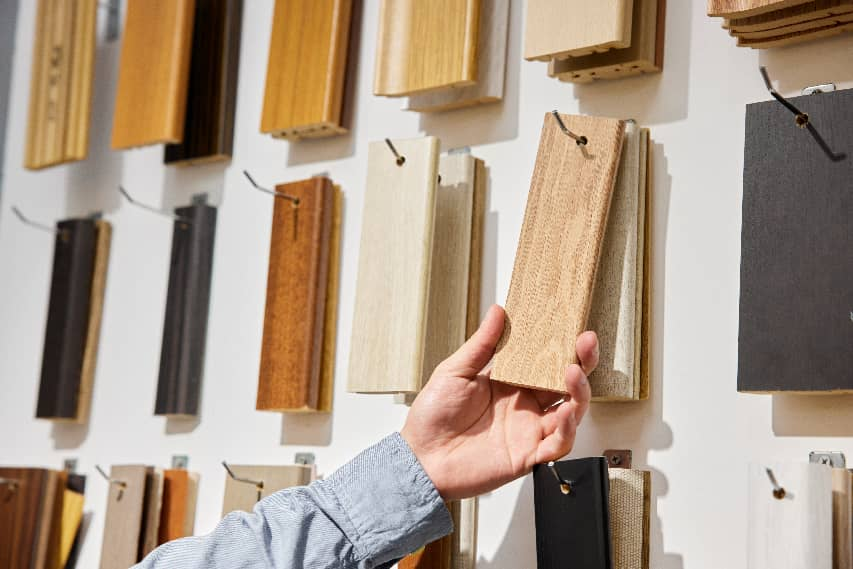
Choosing the right plywood is one of the most important decisions in cabinet construction. Cabinet-grade plywood impacts strength, stability, appearance,
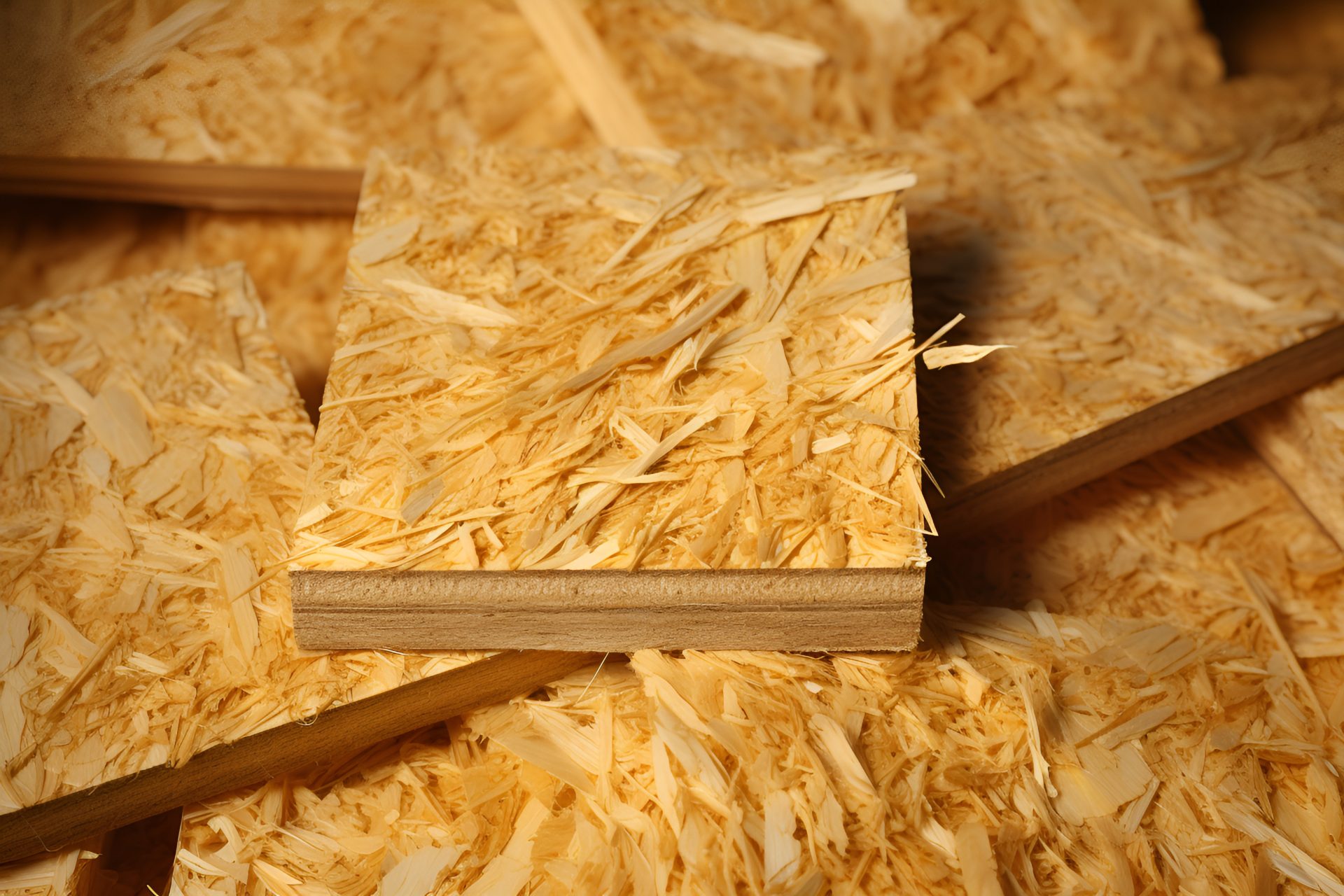
3/4″ Plywood Guide: Thickness, Types & Applications
Learn all about 3/4" plywood—actual thickness, types, how it compares to 1/2" & 5/8" plywood, ideal uses, and step-by-step tips to pick the right thickness for your project.

Plywood for Formwork: Advantages, Types & Applications
Want to learn all about plywood for formwork and its core Formwork Use Cases in one article? This practical guide covers everything—from material advantages and type selection to on-site application! Formwork is the "shaping frame" for concrete construction. Plywood is a common material in many formwork scenarios because it adapts well and offers great value for money. Next, we’ll help you quickly grasp useful knowledge about plywood formwork with key construction scenarios.
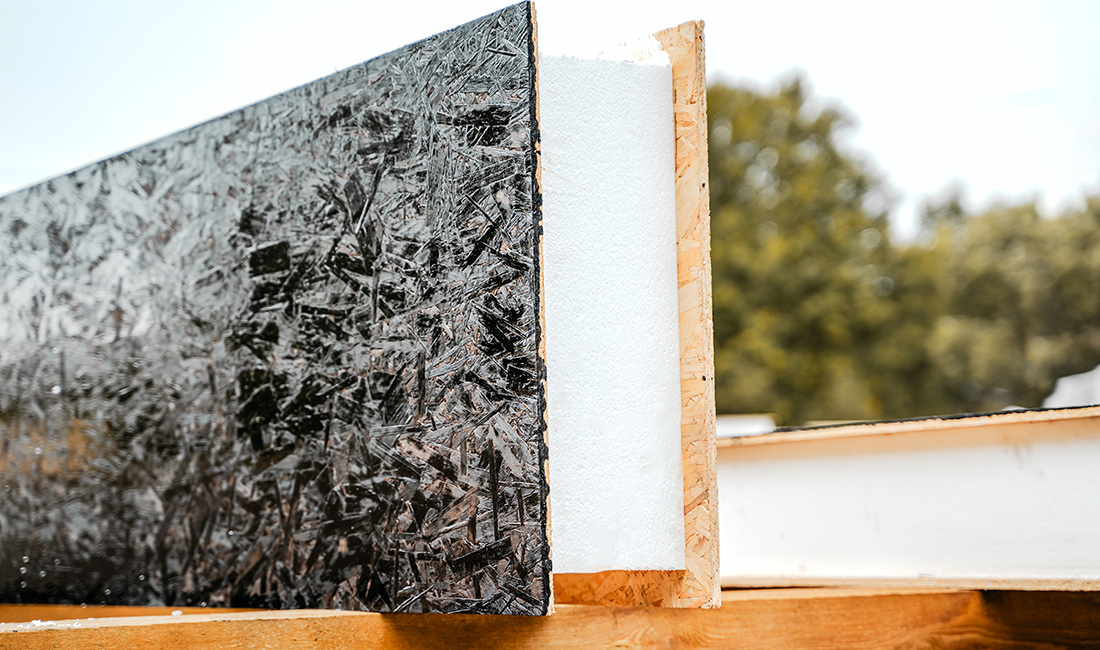
Concrete Forming Plywood: Overlay Types, Strength Grades, and Applications
Concrete forming drives cost, finish, and schedule on a job. About half of concrete work costs sit in formwork, so panel choice shapes profit and rework.

Best Plywood for Furniture: Types, Grades, Thickness & More
Furniture lasts longer when builders pick plywood that fits the space, load, and moisture level. For furniture, the best plywood is BWP (marine grade) for kitchens and bathrooms, MR grade for dry indoor rooms, and BWR grade for light moisture, with thickness chosen by load—typically 12–18 mm for cabinets and 18–25 mm for beds and tables.
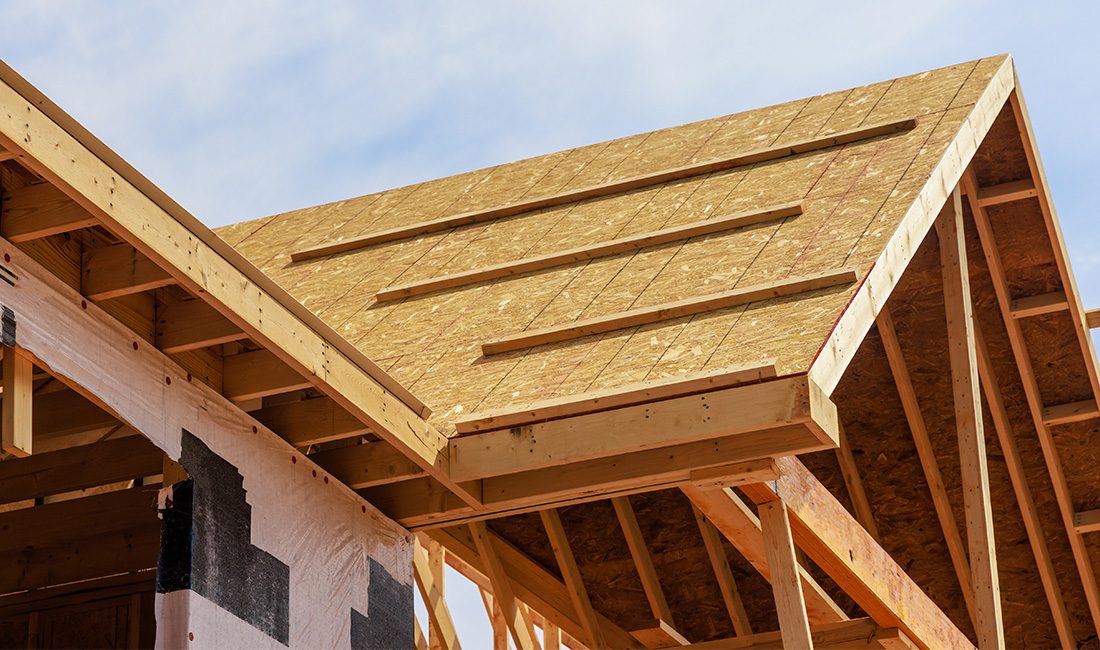
Plywood for Roofing: Structural Requirements, Grades & Tips
A roof depends on its decking to support weight, hold fasteners, and stay flat over time. If builders pick the wrong plywood grade or thickness, shingles wear out faster, panels sag, and leaks show up at the seams.
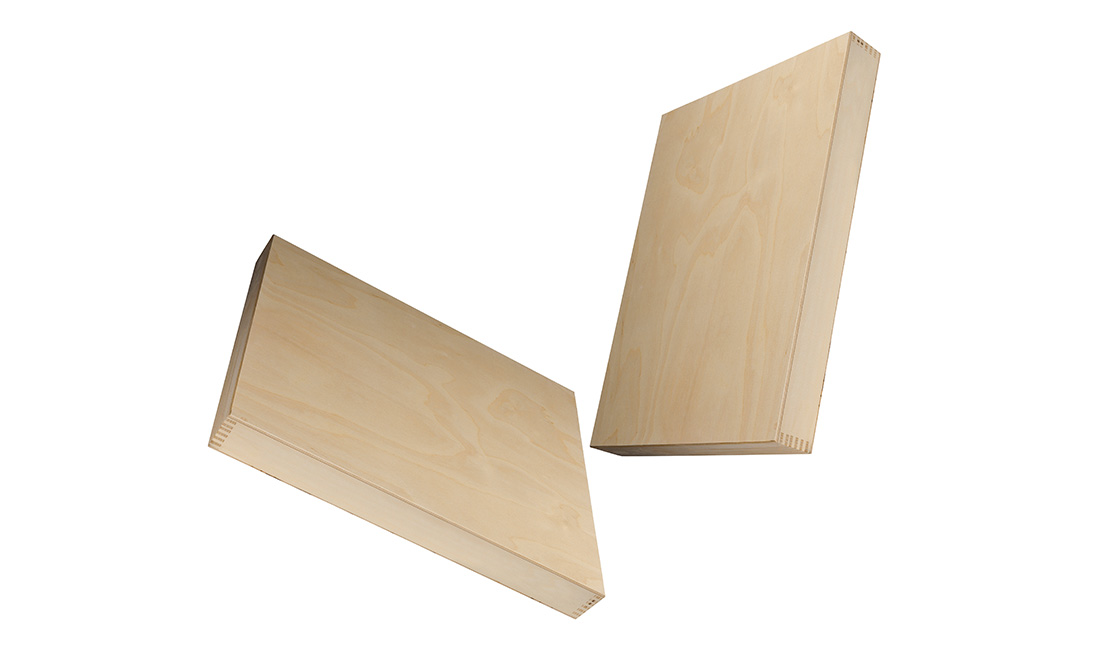
3/4-Inch vs 5/8-Inch Plywood: Thickness Comparison and Structural Impact Guide
Choosing between 3/4-inch and 5/8-inch plywood usually comes down to cost versus risk. The price gap might seem small, but a thin panel in the wrong spot can mean sagging floors or loose fasteners.
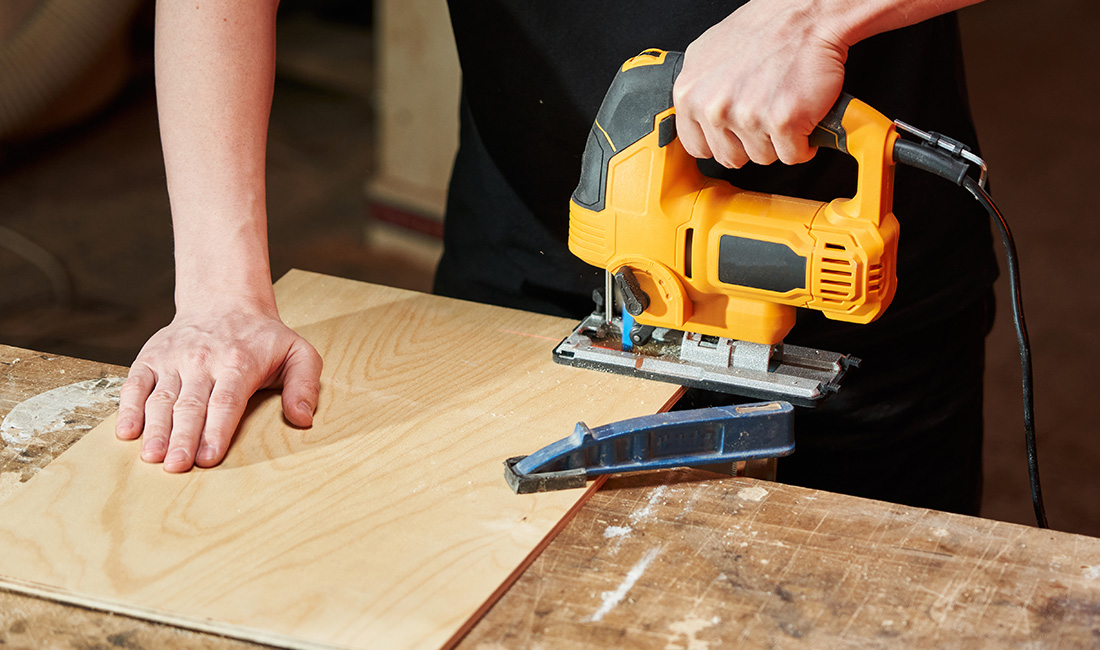
1/2-Inch Plywood: Thickness Properties and Common Engineering Uses
1/2-inch plywood shows up on job sites a lot, striking a decent balance between strength and weight. Builders like it for walls, roofs, and shop projects where thicker panels just add cost and bulk.
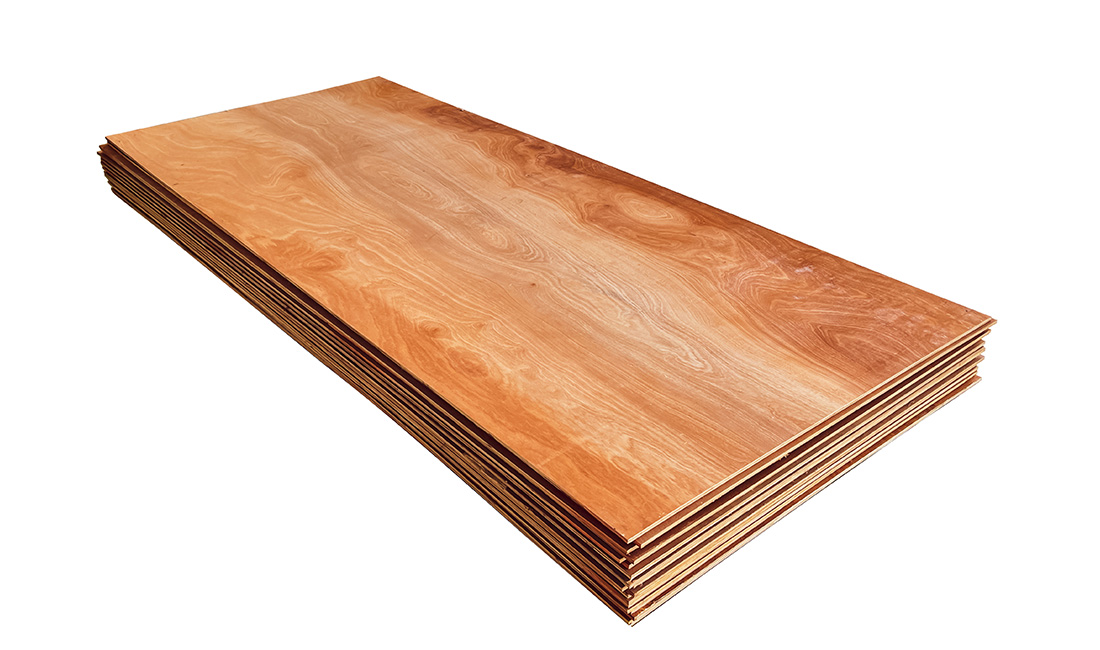
3/4-Inch Plywood: Thickness, Tolerances, and Performance Guide
Plenty of projects call for 3/4-inch plywood, but grab a tape and you'll notice the sheet usually runs thinner. That gap leads to fit headaches, mistakes in load calculations, and wasted time—especially when nobody explains the reason behind it.