
Plywood for Formwork: Advantages, Types & Applications
Want to learn all about plywood for formwork and its core Formwork Use Cases in one article? This practical guide covers everything—from material advantages and type selection to on-site application! Formwork is the “shaping frame” for concrete construction. Plywood is a common material in many formwork scenarios because it adapts well and offers great value for money. Next, we’ll help you quickly grasp useful knowledge about plywood formwork with key construction scenarios.
Table of Contents
- What is Plywood Formwork?
- Core Advantages of Plywood Formwork
- Common Types of Plywood for Formwork
- Core Formwork Use Cases & Practical Tips for Plywood Formwork
- Practical Tips for Efficient Use of Plywood Formwork
- FAQ
What is Plywood Formwork?
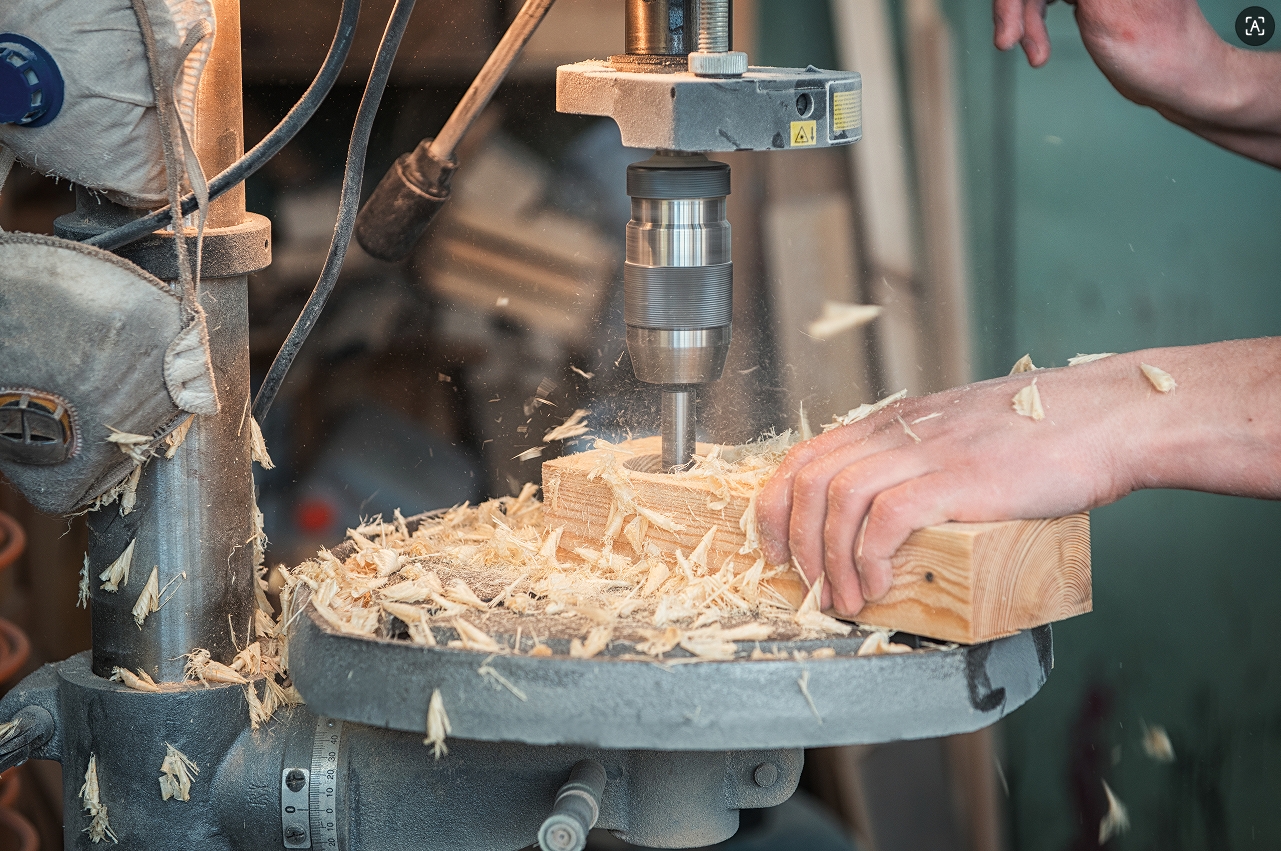
Plywood formwork is a temporary mold system. It uses engineering plywood as the main panel and pairs it with supporting structures like wooden studs and steel frames. Its core job is to hold concrete’s weight and side pressure, and ensure accurate shaping before the concrete cures to its designed strength. Compared to traditional solid wood formwork, it has better flatness, durability, and adaptability. It works for many formwork scenarios—such as houses, bridges, and factories—and is widely used in construction.
Core Advantages of Plywood Formwork
Plywood formwork fits many applications because its features match construction needs perfectly. It solves key problems in efficiency, cost, and quality. Here are the details:
I. Core Advantages Comparison Table
| Advantage Dimension | Plywood Formwork Performance | Corresponding Core Value in Formwork Use Cases |
| Strength-to-Weight Ratio | Light but strong; cross-laminated structure spreads loads evenly | Works for high-rise high-altitude jobs—easier to carry and support |
| Finishing Effect | Smooth, even surface; film-faced types don’t stick to concrete | Meets decorative needs for fair-faced concrete parts (malls, offices, etc.) |
| Reusability | Film-faced/marine-grade options can be reused 10-20 times | Saves money for building multiple residential buildings |
| Adaptability | Easy to cut and bend; fits complex shapes | Suits special parts (curved landscape walls, circular columns, arched doorways) |
| Cost Control | Low initial price; labor and maintenance costs are manageable | Ideal for budget projects (small houses, village self-built homes) |
| Thermal Insulation | Naturally insulates; regulates curing temperature | Works for northern winter concrete jobs—prevents freezing and cracking |
II. Detailed Advantage Breakdown
Excellent Strength-to-Weight Ratio
Plywood is light but very strong. Its cross-laminated structure spreads concrete’s weight evenly, so it won’t bend or warp. This works great for high-rise standard floors. Workers can carry it by hand, and you need fewer supports. This speeds up construction and keeps high-altitude work safer.
Smooth, Even Finishing
Sanded or film-faced plywood has a smooth surface. It ensures concrete parts form well—especially for commercial fair-faced concrete. No extra plastering is needed. This saves time and creates a decorative-quality finish.
Reusability & Durability
Engineering plywood resists moisture and rot. Film-faced or marine-grade plywood can be reused many times. This is perfect for building multiple homes. It cuts down on waste and lowers costs per project.
Versatility & Adaptability
Plywood is easy to cut and bend. It’s the top choice for special-shaped parts (like curved walls or round columns). You don’t need custom molds, which simplifies construction.
Great Cost-Effectiveness
Plywood costs much less upfront than steel formwork. You don’t need professional workers to install it. It’s perfect for budget projects (small houses, village homes) and balances cost and quality.
Good Thermal Insulation
Plywood’s natural insulation works for northern winters. It slows heat loss from concrete, preventing freezing and cracking. No extra insulation is needed, which protects curing quality.
Common Types of Plywood for Formwork
Different plywood types perform differently. Choose the right one based on your project’s scenario and budget to avoid mismatches. Here are the main types:
I. Film-Faced Plywood
It’s waterproof, scratch-resistant, and doesn’t stick to concrete. It can be reused many times. It fits large-scale, high-turnover projects (high-rises, bridge piers, multiple homes). Thicknesses (12mm, 15mm, 18mm, 21mm) meet different load needs.
II. Marine-Grade Plywood
It uses WBP waterproof glue. It fits humid scenarios (basements, swimming pools, rainy areas). It can stand long-term moisture without warping, ensuring accurate shaping.
III. Ordinary Plywood (MR Grade)
It has medium moisture resistance and low cost. It fits short-term, dry projects (village homes, small houses, temporary structures). It meets basic shaping needs.
IV. Structural Plywood
It’s strong and has high load-bearing capacity. It fits heavy-load projects (factory floors, bridge decks). Pair it with steel supports to ensure safety and quality.
.jpg)
Core Formwork Use Cases & Practical Tips for Plywood Formwork
We break down practical tips for four core scenarios to meet your construction needs:
I. Residential Building Formwork Use Case
Focuses on floors, columns, and shear walls. Use film-faced or ordinary MR-grade plywood. Tips: Choose 15-18mm film-faced plywood for floors. Keep supports 80-100cm apart. Seal joints to stop concrete leakage. Add fasteners to columns and shear walls to prevent expansion. Use plywood’s insulation for winter curing.
II. Commercial & Industrial Building Formwork Use Case
Commercial buildings (malls, offices) use film-faced plywood. For fair-faced concrete: Sand the formwork and use tongue-and-groove joints for a smooth finish. Industrial factories use 21mm structural plywood for heavy-load floors. Pair it with steel supports. Keep supports within 60cm apart.
III. Bridge & Municipal Engineering Formwork Use Case
Use film-faced or marine-grade plywood. For curved parts: Shape plywood in advance, add more supports, and seal joints with waterproof materials. For landscape retaining walls: Use 15mm film-faced plywood. It’s easy to splice and shape, cutting custom mold costs.
IV. Special Scenario Formwork Use Case
Prefabricated parts: Use film-faced plywood for smooth, consistent shaping. Clean and maintain it regularly. Humid scenarios: Use marine-grade plywood with waterproof sealing materials to prevent moisture damage.
Practical Tips for Efficient Use of Plywood Formwork
Optimize use to boost efficiency and extend service life. Here are key tips:
- Choose the right type: Pick marine/film-faced plywood for humidity, structural plywood for heavy loads, and ordinary plywood for small projects. Avoid waste or rework.
- Install and reinforce accurately: Shape special parts in advance and add more supports. Use tie bolts for shear walls and columns. Control support spacing to prevent warping.
- Maintain properly: Dry and store plywood after use in humid areas. Don’t scratch the film on film-faced plywood. Keep ordinary plywood away from moisture.
- Protect edges: Seal formwork edges in all scenarios to prevent moisture absorption and warping. Ensure accurate shaping.
FAQ
Q1: Which construction projects use plywood formwork?
A1: Plywood formwork works for many projects. It fits small homes (floors, columns), large commercial buildings, high-rise core structures, and infrastructure (bridges, factories). It’s especially good for projects needing flexible adaptation to complex shapes (curved walls, special parts).
Q2: What are plywood formwork’s core advantages over steel and plastic formwork?
A2: Compared to steel formwork, plywood is lighter, easier to install/take down, cheaper upfront, and gives smoother concrete finishes. Compared to plastic formwork, plywood is more flexible for complex shapes, has better insulation for curing, and is more cost-competitive.
Q3: How many times can plywood formwork be reused?
A3: Reuse depends on type and maintenance. With proper care (cleaning, dry storage, repairs), film-faced and marine-grade plywood can be reused 10-20+ times. Ordinary MR-grade plywood works for short-term projects (2-3 uses).
Q4: Which plywood formwork is best for humid environments?
A4: For humid areas (basements, swimming pools, rainy regions), use marine-grade (WBP) or film-faced plywood. Both use waterproof glue. They resist moisture, decay, and mold—ensuring durability and concrete quality.
Q5: How to avoid concrete leakage and surface defects?
A5: First, splice plywood tightly and fix it with clamps or nails. No gaps allowed. Second, seal plywood edges to prevent moisture damage. Third, ensure the supporting structure is stable. Fourth, clean the formwork surface before construction—remove debris and leftover concrete for a smooth finish.
Learn More About Our Products?
Contact Now