
Moisture-Resistant MDF: What It Is, Where to Use It & Key Limitations
Introduction
Medium-Density Fiberboard (MDF) is a popular engineered wood for furniture, cabinets and interior decoration worldwide.Standard MDF absorbs water readily. It swells and deforms in damp environments, so it cannot be used in wet areas. Moisture-resistant MDF (MR MDF) was developed to solve this problem.
Many users wrongly believe MR MDF is fully waterproof, or are confused about its application. The two types have identical base wood materials. Their differences lie in processing and moisture resistance. Neither is completely waterproof, yet MR MDF delivers superior performance in humid conditions.
Below we explain MR MDF, its applicable scenarios and limitations, to help you select properly for renovation and woodwork.
What Is Moisture-Resistant MDF?
Basic Definition
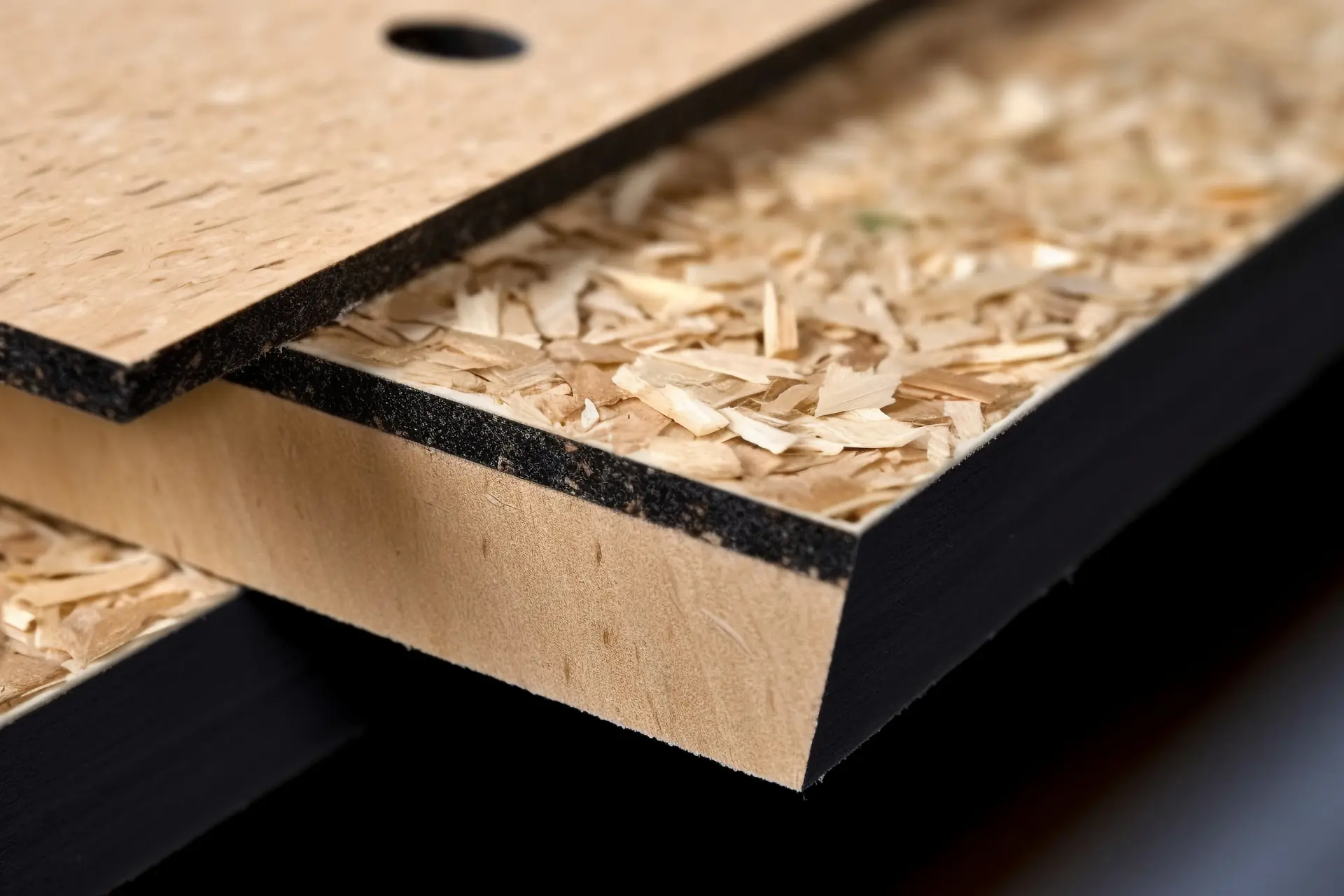
Moisture-resistant MDF is a special type of medium-density fiberboard manufactured by mixing fine wood fibers, synthetic resin adhesives and moisture-resistant additives, then pressing the mixture under high temperature and high pressure. Like standard MDF, it features a smooth, uniform surface, stable texture and excellent machinability.
Production & Material Differences from Standard MDF
Ordinary MDF uses common urea-formaldehyde glue with no extra moisture-proof ingredients. Once it contacts water or long-term humidity, wood fibers will absorb moisture rapidly, leading to expansion, warping, delamination and even mold growth.
By contrast, MR MDF is improved in two key aspects:
- Special additives: Manufacturers add wax emulsions, hydrophobic agents or specially modified resins during production. These ingredients form a protective film on wood fibers, slowing down water absorption effectively.
- Optimized adhesive: Most high-quality MR MDF adopts water-resistant resin instead of ordinary glue, further enhancing its overall damp resistance.
It is important to clarify one core fact: moisture-resistant MDF is moisture-proof, not waterproof. It can resist ambient humidity and occasional water splashes, but cannot stand long-term immersion in water. According to GB/T 11718-2021, adding moisture-resistant additives and waterproof resin is the mainstream production technology for qualified MR MDF, which can greatly reduce the water absorption rate of wood fibers while retaining the basic processing performance of MDF [1].
Common Grades & Certification
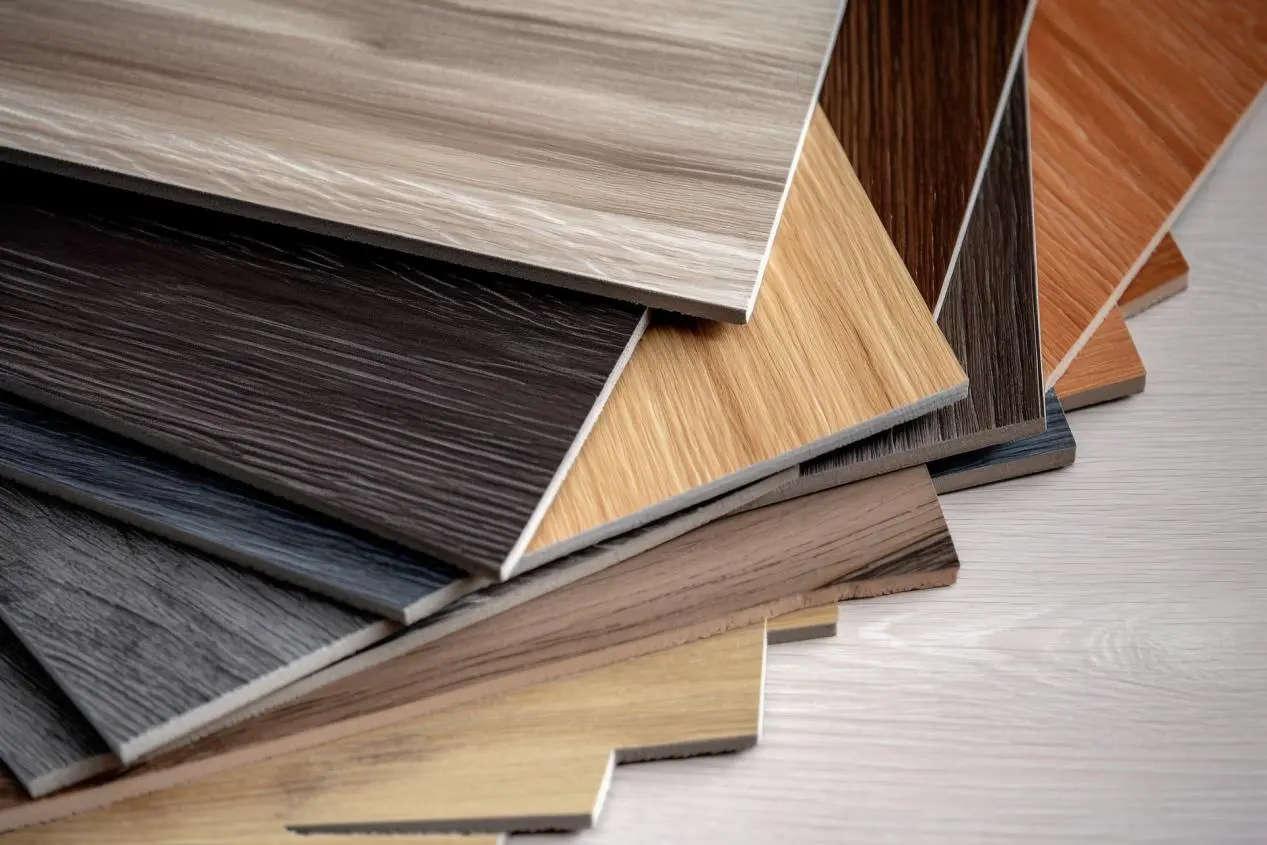
Moisture-resistant MDF has clear classification standards in different regions. Most products are marked with professional grades such as MR, MR1 and MR2, indicating different levels of moisture resistance. Qualified products also pass formaldehyde emission and environmental protection certifications, meeting indoor use standards. Compared with standard MDF, qualified MR MDF has a slightly higher density and a small price premium.
As specified in GB/T 11718-2021, MR MDF has strict requirements on core physical indicators including density, 24-hour water soaking thickness swelling rate and formaldehyde emission. These parameters are the key basis for distinguishing qualified MR MDF from inferior products [1]. Relevant test data shows that the 24h thickness swelling rate of qualified ordinary MDF shall not exceed 45%, while the index of standard MR MDF is controlled within 35%, and high-grade moisture-resistant products can even reach below 15% [1].
The table below compares the core performance of standard MDF and MR MDF based on national standards.
Table 1 Performance Comparison: Standard MDF vs MR MDF (Based on GB/T 11718-2021)
| Performance Index | Standard MDF | Moisture-Resistant MDF (MR MDF) | Test Standard & Remarks |
| Main Adhesive | Urea-formaldehyde resin | Water-resistant modified resin | GB/T 11718-2021 |
| Density (18mm board) | 680–720 kg/m³ | 720–780 kg/m³ | Density deviation shall not exceed ±10% |
| 24h Water Soaking Thickness Swelling | ≤45% | ≤35% (High-grade MR MDF: ≤15%) | Tested in (20±1) ℃ water for 24 h |
| Applicable Relative Humidity | 50%–65% RH | 65%–85% RH | Divided by indoor humid environment grade |
| Formaldehyde Emission (E1 Grade) | ≤0.124 mg/m³ | ≤0.124 mg/m³ | Implemented with GB 18580-2017 |
| Core Application | Dry indoor rooms | Medium-humidity indoor dry areas | Not for long-term water contact |
| Price Level | Basic price | 15%–25% higher than standard MDF | Domestic mainstream market price |
Where to Use Moisture-Resistant MDF
Thanks to its balanced performance of damp resistance, smooth surface and easy processing, MR MDF has a wide range of targeted application scenarios. It is the cost-effective alternative to solid wood and plywood for humid indoor spaces.
1. Kitchen Interior & Cabinetry
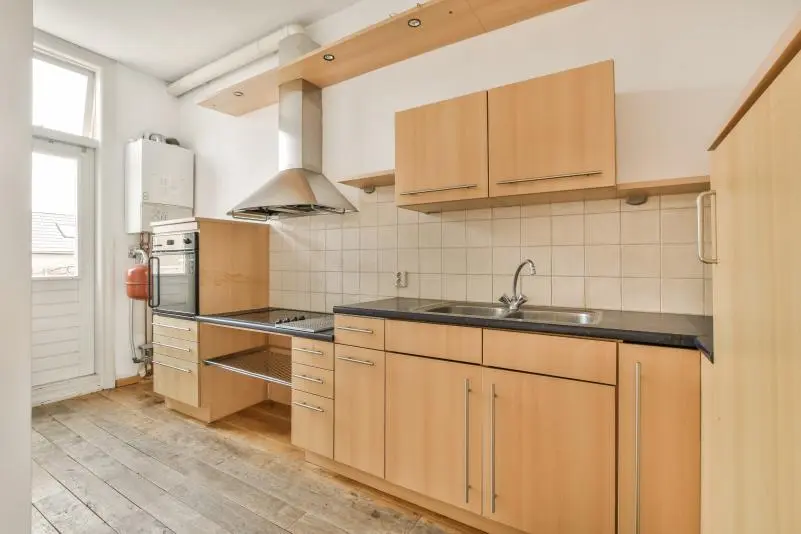
Kitchens are typical high-humidity areas with frequent water splashes and steam. Moisture-resistant MDF is widely used for kitchen cabinet doors, drawer panels, wall linings and decorative trim. Its smooth surface is easy to paint, laminate or attach veneers, matching various kitchen decoration styles.
2. Bathroom Dry Zones
Bathrooms have high overall humidity. MR MDF is perfect for dry areas such as bathroom vanities, storage cabinets, wall decorations and partition panels. It can resist daily steam and occasional water splashes well. Note that it is not recommended for areas directly under shower sprays.
3. Laundry Rooms
Laundry rooms generate constant moisture from washing machines and dryers. MR MDF is an ideal material for laundry cabinets, storage shelves and wall cladding here. It avoids the swelling problem of ordinary MDF in long-term humid conditions.
4. Basements & Utility Rooms
Basements usually stay damp all year round due to poor ventilation. Moisture-resistant MDF can be used to make storage cabinets, wall panels and furniture in basements. It effectively delays mold and deformation caused by continuous ambient humidity.
5. Commercial Humid Spaces
For commercial scenarios including restaurant back rooms, hotel service areas, office pantries and corridor decorative panels, MR MDF is also a mainstream choice. It balances durability, cost and appearance for high-traffic humid environments.
6. General Indoor Decoration with High Humidity
In coastal areas, rooms with poor natural ventilation and other spaces with above-average humidity, MR MDF can replace standard MDF for making decorative moldings, wall panels and customized furniture.
Key Limitations of Moisture-Resistant MDF
Although moisture-resistant MDF outperforms regular MDF in damp environments, it still has obvious drawbacks. Understanding these limitations can help you avoid improper use and unnecessary losses.
1. Not Fully Waterproof
This is the biggest limitation. MR MDF can only resist ambient humidity and accidental splashes. If it is soaked in standing water for a long time, or continuously exposed to heavy water flow, it will still absorb water, swell and deform. It can never be used as a substitute for waterproof boards, cement boards or marine-grade plywood in fully wet areas like shower enclosures. In accordance with the test methods of GB/T 11718-2021, after long-term water immersion, the thickness swelling rate of MR MDF will rise rapidly and fail to meet the service requirements of long-term water contact scenarios [1].
2. Susceptible to Mold in Extreme Humidity
In spaces with extremely high humidity and poor ventilation (such as unventilated closed bathrooms), even MR MDF may breed mold over time. Its wood fiber base provides nutrients for mold, so regular ventilation is still a must after installation.
3. Lower Structural Strength Than Plywood & Solid Wood
Like all MDF products, moisture-resistant MDF has poor nail-holding capacity and impact resistance compared with plywood and solid wood. It is not suitable for load-bearing structures such as heavy-duty shelves, floor bases and large bearing frames. It is mainly designed for decorative panels and light-load furniture.
4. Easy to Be Damaged by Sharp Objects
Its fine fiber structure leads to a soft surface. Sharp tools, hard impacts or long-term friction will leave scratches and dents on MR MDF. It needs surface finishing such as paint or melamine lamination for protection.
5. Limited Outdoor Application
Moisture-resistant MDF is strictly for indoor use. It cannot be applied outdoors. Outdoor environments face rain, strong sunlight and temperature changes, which will quickly cause aging, cracking and water penetration of MR MDF.
6. Higher Cost Than Standard MDF
Due to special raw materials and production processes, the price of MR MDF is obviously higher than ordinary MDF. Using it in completely dry rooms will cause unnecessary cost waste. For bedrooms, living rooms and study rooms with normal humidity, standard MDF is enough.
Overall Pros & Cons Summary
Advantages of Moisture-Resistant MDF
- Stronger moisture resistance than standard MDF, adapting to various indoor humid spaces.
- Smooth surface, easy to cut, paint and veneer, rich in decorative styles.
- Stable size, not easy to warp under normal humidity.
- Cost-effective, cheaper than waterproof solid wood and special waterproof boards.
Disadvantages of Moisture-Resistant MDF
- Only moisture-proof, not waterproof; unable to withstand long-term water immersion.
- Weak load-bearing capacity and impact resistance.
- Prone to scratches on the original surface and mold in extremely humid and unventilated spaces.
- Not applicable for outdoor and fully wet areas.
- Higher price than ordinary MDF.
Final Thoughts
Moisture-resistant MDF solves the moisture problems of conventional MDF and is highly practical. It is ideal for dry areas in kitchens, bathrooms, laundry rooms and basements.
Bear in mind it is not fully waterproof. Shower areas, outdoor settings and heavy-load projects require dedicated waterproof boards, marine plywood or solid wood.
Always pick materials to suit the working environment, to guarantee long service life and good performance.
References
[1] National Standard of the People’s Republic of China. GB/T 11718-2021 Medium Density Fiberboard[S]. State Administration for Market Regulation, 2021.
This national standard stipulates the classification, technical requirements, test methods, production specifications and performance limits of ordinary MDF and moisture-resistant MDF. It is the unified execution standard for production, testing and application of medium-density fiberboard in China.
Learn More About Our Products?
Contact Now