How to Waterproof MDF: Best Sealers, Primers & Edge Protection
Medium-Density Fiberboard (MDF) is popular for DIY projects, furniture, and cabinetry. It has a smooth surface, is affordable, and easy to work with. With the right sealers, primers, and edge protection, you can make MDF water-resistant. It will then work well in kitchens, bathrooms, and covered outdoor spaces. This guide will show you how to waterproof MDF correctly. You’ll learn about the best primers and sealers, how to protect edges, and get tips from SUMEC Building Material to ensure long-lasting results.
Here’s an important point: MDF’s structure means it benefits from proper waterproofing to perform well in damp areas. The goal is to create a seamless protective barrier that keeps it strong and looking good. To do this, follow three key steps: prep the MDF properly, use the right primer, apply a good sealer, and focus on edge protection. SUMEC Building Material will help you do each step well. We also have special MDF products that make the process easier and more effective.
What Is MDF, and Why Is Edge Protection & Sealing Important?
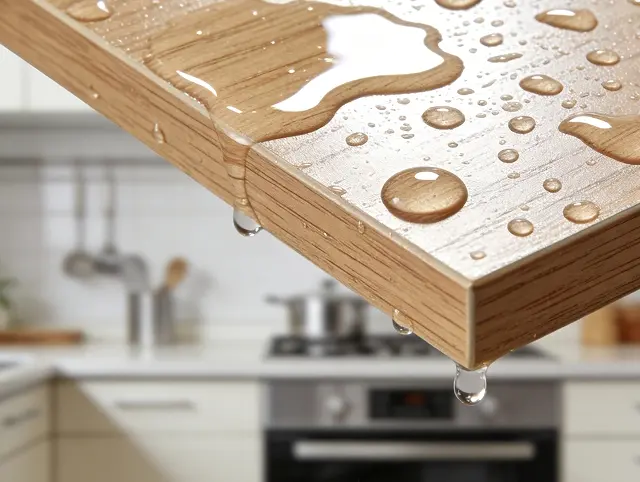
To waterproof MDF well, you need to understand its makeup and how to protect it. MDF is made by pressing wood fibers with synthetic resin under high heat and pressure. It has a smooth, even surface that’s easy to work with. It works well in most places, but waterproofing helps it stay in good shape in damp areas. SUMEC Building Material uses high-quality resin to make MDF with better natural properties. When paired with proper sealing and edge protection, it becomes a reliable choice for many projects. Importantly, SUMEC Building Material offers melamine-faced panels and other surface-treated products. These are industrial-grade solutions that make MDF moisture-resistant, so you don’t need complex waterproofing after installation.
Edges need extra protection, as cut edges expose raw fibers that benefit from reinforcement. That’s why SUMEC Building Material offers pre-finished edges on many of our MDF products. We’ll show you how to protect edges, whether you use our pre-treated boards or standard MDF. SUMEC Building Material also provides commercial plywood and laminated plywood. These alternatives have better natural moisture resistance, making them perfect for damp, high-durability projects.
Step 1: Choose the Best Primers for Waterproofing MDF
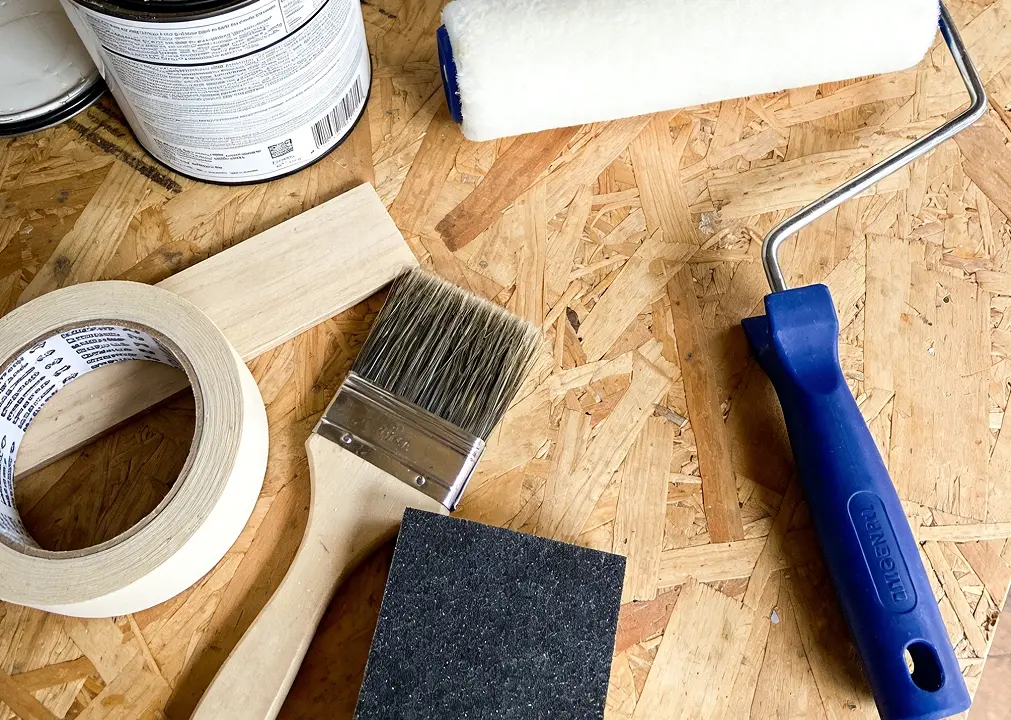
A good primer is the foundation of successful MDF waterproofing. Primers seal the surface, create a smooth base for sealers or paint, and make MDF more water-resistant. Not all primers work for MDF—you need one made specifically for its structure. Below are the top types of primers (no specific brand names), with their pros and cons, to help you choose.
The easiest way to waterproof MDF is to start with a moisture-resistant product. SUMEC Building Material specializes in these. We have three main options to reduce or eliminate extra waterproofing work, depending on your project: moisture-resistant MDF, melamine-faced MDF, and commercial/laminated plywood. If you need to waterproof standard MDF, our tips will help you get great results. We’ll also guide you to our special products that have built-in moisture protection.
1. Oil-Based Primers
Oil-based primers work very well for waterproofing MDF. They seep deep into the wood fibers, seal the surface, and create a durable, water-resistant barrier. They bond well with both oil-based and water-based sealers or paints, so they’re good for indoor and semi-outdoor use. SUMEC Building Material recommends oil-based primers for high-moisture areas—they provide the strongest base for sealer coats. If you need boards for damp environments, SUMEC Building Material offers melamine-faced MDF, moisture-resistant MDF, and plywood as better choices.
Pros: Great moisture resistance, seeps deep into fibers, strong adhesion, works indoors and semi-outdoors.
Cons: Takes longer to dry (4-6 hours per coat), has strong fumes (needs good ventilation), requires mineral spirits for cleanup.
SUMEC Building Material’s moisture-resistant MDF is made with special resin that repels moisture and keeps it strong. It’s ideal for damp indoor areas like kitchens, bathrooms, and laundry rooms. It handles occasional spills and high humidity without losing its shape or appearance. This makes it easy to use for projects where moisture is a concern. It needs little extra waterproofing—just a basic sealer for extremely damp spots. This product, along with our melamine-faced MDF, is an industrial-grade solution for moisture resistance. It simplifies your project and delivers reliable results.
2. Water-Based (Acrylic) Primers
Water-based acrylic primers are more eco-friendly than oil-based ones. They have low VOCs, minimal fumes, and dry quickly (1-2 hours per coat). They work well on their own, but pair even better with a good sealer. They’re perfect for indoor projects where low odor is important, like bookshelves or cabinets. For damp environments, remember: if you need boards for wet areas, SUMEC Building Material offers melamine-faced MDF, moisture-resistant MDF, and plywood as better choices.
Pros: Low fumes, easy to clean with soap and water, dries fast, good for indoor use.
Cons: Doesn’t seep as deep as oil-based primers, works best with a sealer for high-moisture areas.
For the best built-in waterproofing, choose SUMEC Building Material’s melamine-faced MDF. As part of our surface-treated product line, it has a durable, non-porous melamine surface and pre-finished edges. These create a seamless barrier against moisture. The melamine layer resists water, stains, and scratches. You can use it in high-moisture areas without extra sealing or priming. It’s perfect for kitchen cabinets, bathroom vanities, and projects where easy maintenance and water resistance matter most. This is one example of how SUMEC Building Material’s surface-treated products are industrial-grade solutions for MDF moisture resistance.
3. Shellac Primers
Shellac primers dry quickly and seal MDF well. They’re made from natural shellac resin and alcohol, so they block odors and stains effectively. They also create a smooth base for paint or sealer. They work best indoors, where moisture exposure is low.
Pros: Dries very fast (30 minutes to 1 hour), blocks stains well, leaves a smooth finish.
Cons: Only good for indoor use, needs extra sealer for high-moisture areas.
If your project needs maximum moisture resistance—like covered outdoor spaces or busy commercial areas—choose SUMEC Building Material’s commercial plywood or laminated plywood. These have natural moisture resistance because of their layered wood structure. Our laminated options add an extra protective coat. They stand up to frequent moisture and stay strong. They’re ideal for projects where durability is a must. These products, along with our moisture-resistant and melamine-faced MDF, show our commitment to providing complete moisture-resistant solutions for every project.
Step 2: Best Sealers for Waterproofing MDF
After priming, use a sealer for extra moisture protection. Sealers form a hard, protective layer on MDF. This makes it more resistant to moisture and extends its life. The best sealer depends on where you’ll use the MDF (indoor vs. semi-outdoor) and the finish you want (matte, glossy, or painted). Below are the top types of sealers, with tips from SUMEC Building Material to help you choose.
If you use standard MDF (or want extra protection for SUMEC Building Material’s moisture-resistant products), choose the right primer and sealer. Primers seal porous surfaces and create a smooth base. Sealers add a hard, impermeable barrier. Avoid generic products—use high-quality, moisture-resistant ones made for MDF. Below are the key types to consider (no specific brands, just trusted categories). And remember: if you need boards for damp environments, SUMEC Building Material offers melamine-faced MDF, moisture-resistant MDF, and plywood as better choices.
1. Polyurethane Sealer
Polyurethane is one of the most popular sealers for MDF. It’s durable and moisture-resistant. It comes in water-based and oil-based versions. It dries to a hard, protective finish that resists scratches, spills, and moisture. Oil-based polyurethane is more water-resistant. Water-based is easier to clean and has less odor. SUMEC Building Material recommends oil-based for semi-outdoor or high-moisture indoor areas. Use water-based for low-moisture indoor projects. For more reliable results, try our melamine-faced MDF or laminated plywood. These industrial-grade solutions reduce the need for extra sealing.
Pros: High moisture resistance, durable, scratch-resistant, available in matte, satin, or glossy finishes.
Cons: Oil-based has strong fumes, water-based may need multiple coats for maximum protection.
2. Epoxy Resin Sealer
Epoxy resin is a two-part sealer that creates a hard, protective barrier. It’s ideal for MDF projects exposed to frequent moisture—like bathroom vanities, kitchen countertops, or covered outdoor furniture. Epoxy fills small gaps and creates a seamless finish. It resists water, chemicals, and stains. SUMEC Building Material recommends epoxy for projects where maximum moisture resistance is needed. For an easier solution, try our moisture-resistant MDF or commercial plywood. These are designed to handle high-moisture environments with little extra work.
Pros: Highly moisture-resistant (when applied correctly), very durable, chemical-resistant, smooth finish.
Cons: More expensive, needs mixing two parts, takes longer to cure (24-48 hours), can be hard to apply evenly.
3. Lacquer Sealer
Lacquer dries quickly and creates a smooth, glossy finish. It comes in spray or brush-on versions. It’s perfect for MDF projects where appearance matters—like furniture or decorative pieces. Lacquer offers good moisture resistance, but works best in low-moisture indoor areas. SUMEC Building Material suggests lacquer for decorative projects with minimal moisture exposure. For damp areas, check out our melamine-faced MDF or moisture-resistant MDF. These are our industrial-grade solutions for easy moisture protection.
Pros: Dries fast, smooth glossy finish, easy to apply (especially spray-on), improves MDF’s appearance.
Cons: Less durable than polyurethane or epoxy, not good for high-moisture areas, scratches easily.
Step 3: Edge Protection – A Key Step for Long-Lasting Performance
Edges are important to focus on when waterproofing MDF. They need extra reinforcement to perform well in damp areas. Proper edge protection keeps the entire MDF piece protected, extends its life, and keeps it looking good. Below are the best ways to protect MDF edges, with tips from SUMEC Building Material.
SUMEC Building Material makes edge protection easy. Our melamine-faced MDF has pre-finished edges that are already sealed against moisture. You won’t need extra work for these. For standard MDF or custom cuts, here are simple, effective methods. Our commercial plywood and laminated plywood also have durable edges, making them great for projects where edge protection is key.
1. Edge Banding
Edge banding is a thin strip of wood, PVC, or melamine. It’s applied to MDF edges to reinforce them. It’s easy to apply (with heat or adhesive) and creates a seamless, moisture-resistant finish. PVC edge banding is great for extra moisture protection—it’s durable and repels water. SUMEC Building Material offers high-quality edge banding that pairs perfectly with our MDF. It creates a tight, protective seal. For even better results, choose our melamine-faced MDF. It comes with pre-applied edge banding as part of its industrial-grade moisture resistance solution.
How to Apply: Cut the edge banding to match the length of the MDF edge. Use a heat gun to activate the adhesive (if it’s heat-activated) and press it firmly onto the edge. Trim any excess with a utility knife and sand it smooth.
2. Sealing Edges with Primer + Sealer
If you don’t want to use edge banding, seal raw edges with multiple coats of primer and sealer. Edges need extra reinforcement, so apply 2-3 coats of primer (let each coat dry fully) before adding sealer. For extra protection, lightly sand the edge between coats to get a smooth finish. SUMEC Building Material recommends this method for custom cuts or projects where edge banding isn’t possible. For an easier option, try our pre-finished MDF products—their edges are already protected.
3. Epoxy Edge Coating
For maximum edge protection, apply a thin coat of epoxy resin to MDF edges. Epoxy fills small gaps and creates a hard, protective barrier. It’s ideal for high-moisture areas. Mix the epoxy as directed, apply it to the edge with a brush, and let it cure fully (24-48 hours) before sanding. SUMEC Building Material recommends this for bathrooms, kitchens, or covered outdoor spaces. For a more reliable solution, try our moisture-resistant MDF or laminated plywood. These are designed to handle these environments with little extra work.
Step-by-Step Guide to Waterproofing MDF
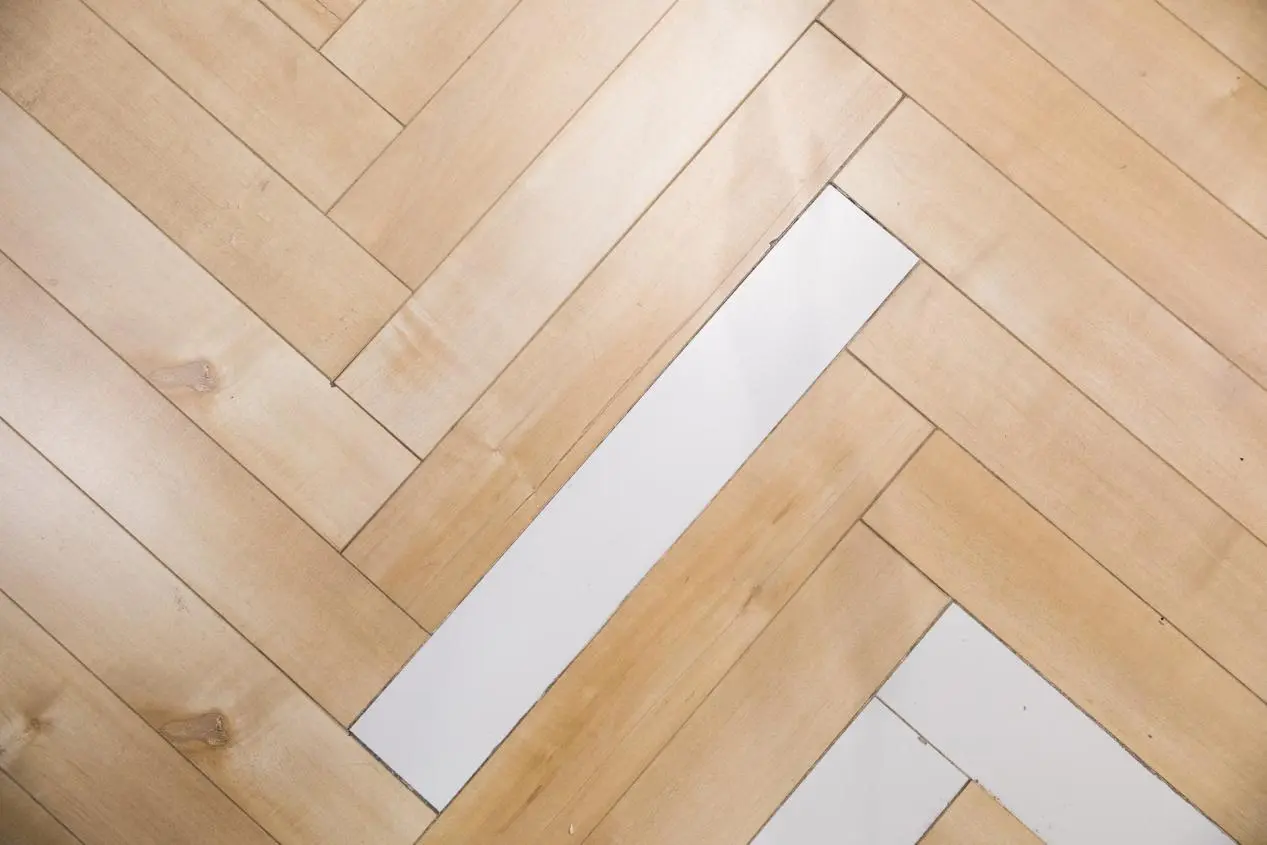
Now that you know about the best primers, sealers, and edge protection methods, here’s a step-by-step guide to waterproofing MDF. Follow these steps for a long-lasting, water-resistant finish. SUMEC Building Material’s tips will help you avoid common mistakes. Remember: if you need boards for damp environments, SUMEC Building Material offers melamine-faced MDF, moisture-resistant MDF, and plywood as better choices. These can simplify or even skip some of these steps.
1. Prep the MDF
Sand the surface and edges with 120-grit sandpaper to remove rough spots and dust. For SUMEC Building Material’s pre-finished MDF (like melamine-faced MDF), don’t sand heavily. Just lightly buff the surface to remove dust or debris. After sanding, wipe the MDF with a damp cloth to clear dust. Let it dry completely (1-2 hours). Make sure the MDF is clean and dry before moving on. Any dust or moisture will stop primers or sealers from sticking—even on our moisture-resistant products. Our pre-finished products need minimal prep, thanks to their industrial-grade surface treatments.
2. Prime (If Needed)
If you use standard MDF or custom-cut edges of our moisture-resistant MDF, apply the first coat of primer with a brush or roller. Focus on edges first—they need extra coverage. Let the primer dry for the time recommended (4-6 hours for oil-based, 1-2 hours for water-based). Lightly sand with 220-grit sandpaper to smooth the surface, wipe away dust, and apply a second coat. Edges may need a third coat for full coverage. For SUMEC Building Material’s melamine-faced MDF, priming isn’t needed. Its pre-finished surface is ready to use or add sealer (if you want), thanks to its built-in moisture resistance.
3. Apply Edge Protection (If Needed)
SUMEC Building Material’s melamine-faced MDF has pre-finished, moisture-resistant edges. No extra steps are needed. For standard MDF or custom cuts, use our pre-finished edge banding (follow the adhesive or heat instructions) or seal edges with extra primer and sealer. Trim excess edge banding and sand it smooth for a seamless look. For projects that need durable edges, choose our commercial plywood or laminated plywood—they have natural edge protection.
4. Apply Sealer (For Extra Protection)
Stir the sealer well before applying. Use a brush or roller to apply a thin, even coat to the MDF surface and edges (if not pre-finished). Let the sealer dry for the recommended time (2-4 hours for water-based polyurethane, 4-6 hours for oil-based, 24 hours for epoxy). Lightly sand with 220-grit sandpaper, wipe away dust, and apply a second coat. For high-moisture areas (like bathrooms or covered outdoor spaces), apply a third coat for maximum protection. SUMEC Building Material’s melamine-faced MDF can skip this step, but a light coat of sealer can make it even more durable. For better results in these areas, try our moisture-resistant MDF or laminated plywood.
5. Finish (Optional)
If you want to paint the MDF, wait for the final sealer coat to dry fully (24 hours). Then apply 2-3 coats of water-based or oil-based paint. For SUMEC Building Material’s pre-finished MDF, painting isn’t necessary. But you can add a coat of sealer to enhance its shine or durability. For a natural finish, the sealer alone (or our melamine surface) is enough. Our surface-treated products are designed to look good and resist moisture. This means you’ll spend less time finishing and more time enjoying your project.
Common Mistakes to Avoid When Waterproofing MDF
Even with SUMEC Building Material’s high-quality MDF, avoiding these mistakes will make your project last longer. Our special products—melamine-faced MDF, moisture-resistant MDF, and commercial/laminated plywood—are designed to minimize these mistakes and simplify waterproofing.
- Skipping Prep Work: Even our pre-finished MDF needs a light dusting before use. For standard MDF, skipping sanding or dust removal will stop primers and sealers from sticking.
- Neglecting Edges: Custom-cut edges (even on our moisture-resistant MDF) need extra protection. Use our edge banding or extra primer/sealer on cut edges. Or choose our pre-finished products for easy edge protection.
- Applying Sealer Too Thick: Thick sealer coats will bubble or crack as they dry. Apply thin, even coats and sand between layers for a smooth finish. This step is often unnecessary with our melamine-faced MDF, which has a built-in protective layer.
- Using Low-Quality Products: Pair our MDF with high-quality primers and sealers (no specific brands) for the best moisture resistance. Generic products may not protect well. For the best results, use our moisture-resistant products—they eliminate the need for low-quality alternatives.
- Rushing Drying Times: Let each coat of primer and sealer dry fully before applying the next. Rushing will cause uneven finishes and poor adhesion—even with our engineered MDF. Our pre-finished products reduce drying time by eliminating multiple primer and sealer coats.
FAQs About Waterproofing MDF
Q: Can MDF be used outdoors?
Yes, MDF can be used in covered outdoor spaces (like porches or patios) if properly waterproofed. If you need boards for damp environments, SUMEC Building Material offers melamine-faced MDF, moisture-resistant MDF, and plywood as better choices. Our commercial plywood and laminated plywood are made for covered outdoor spaces. They can handle frequent moisture and stay strong. Our moisture-resistant MDF is also a great option for these spaces—it handles occasional moisture with little extra waterproofing.
Q: How long does waterproofed MDF last?
With proper primer, sealer, and edge protection, waterproofed MDF can last 5-10 years in damp indoor areas (kitchens, bathrooms). It can last 2-5 years in covered outdoor spaces. Reapplying sealer every 1-2 years will make it last longer. SUMEC Building Material’s high-quality MDF, paired with the right steps, is more durable. Our melamine-faced MDF and moisture-resistant MDF last longer than standard MDF, thanks to their industrial-grade surface treatments and moisture-resistant formulas. Our commercial and laminated plywood also last longer in damp areas.
Q: Is it better to paint or seal MDF?
Sealing is important to make MDF more moisture-resistant. Painting can add extra protection and improve its appearance. For standard MDF, the best process is: prime → seal → paint (if desired). SUMEC Building Material recommends using high-quality, moisture-resistant paint if you paint. This ensures it works well with the sealer. For our melamine-faced MDF, painting isn’t needed. Its pre-finished surface is already moisture-resistant and looks good. It’s an easy choice for projects where appearance and performance matter. If you need boards for damp environments, SUMEC Building Material offers melamine-faced MDF, moisture-resistant MDF, and plywood as better choices. Many of these don’t need painting or extra sealing.
Final Thoughts
Waterproofing MDF doesn’t have to be hard. With the right primers, sealers, and edge protection, you can make it moisture-resistant for many projects. Remember to prep properly, focus on edges, and choose primers/sealers that fit your project (indoor vs. semi-outdoor, high-moisture vs. low-moisture). Most importantly, if you need boards for damp environments, SUMEC Building Material offers melamine-faced MDF, moisture-resistant MDF, and plywood as better choices.
SUMEC Building Material’s expertise in MDF manufacturing ensures our products are a solid foundation for waterproofing. Our high-quality MDF, paired with the steps in this guide, will keep your projects looking good and working well for years. We offer a wide range of solutions: melamine-faced panels and other surface-treated products (industrial-grade moisture resistance), plus commercial plywood and laminated plywood (natural better moisture resistance). These products simplify your project, reduce complex waterproofing, and deliver reliable, long-lasting results.
Ready to start your project with SUMEC Building Material’s waterproof-friendly MDF products? Explore our moisture-resistant MDF, melamine-faced MDF, commercial plywood, and laminated plywood to find the perfect fit. These products are made to meet your moisture-resistant needs, so you don’t need complicated post-installation waterproofing. Have questions about which product is right for you? Contact our team for personalized help. Discover how SUMEC Building Material can help you get the best results for your project!
Learn More About Our Products?
Contact Now