
A Quick Look at Vietnam’s Recent Wood Export
Vietnam’s wood and wood products industry is facing severe legal and trade protection challenges, yet it remains resilient thanks to market diversification. The United States is still Vietnam’s largest wood export market, but the impact of the Trump administration’s tariff policies has forced Vietnam to accelerate the diversification of its market layout, with Europe becoming a key direction for its strategic shift. Exporters are also actively expanding markets in Japan, China, South Korea and the Middle East. To cushion against potential U.S. tariff hikes, approximately 45 new markets have been targeted.
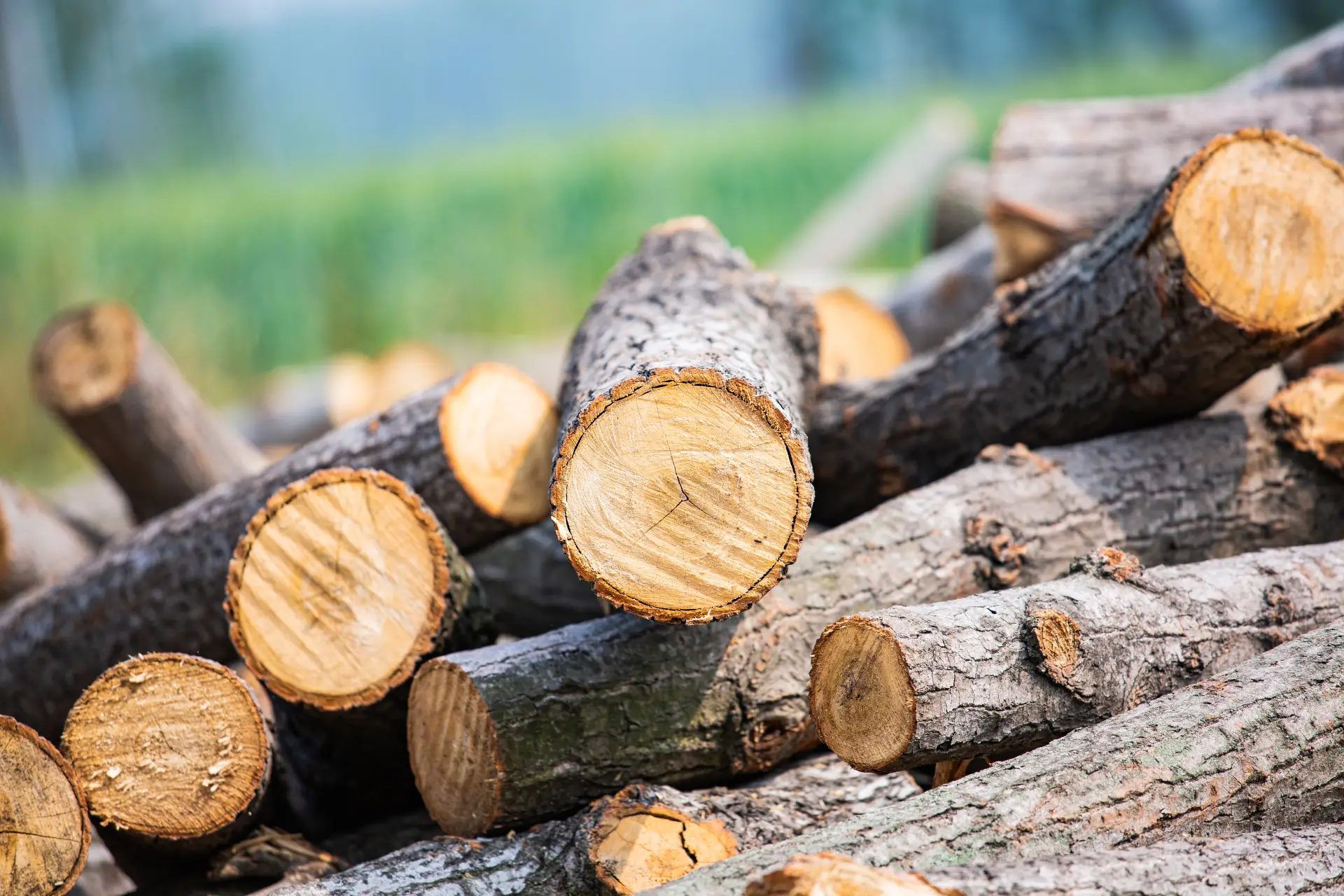
Japan has shown particularly strong growth, becoming Vietnam’s second-largest wood export destination, with exports rising by more than 23% over the past year. China remains the third-largest market, supported by growing demand for Vietnamese wood chips, with imports increasing by about 3.5% in recent reporting periods. Since 2026, China’s imports of Vietnamese timber have continued to rise. According to customs data, cumulative timber imports in the first four months reached 225,000 cubic meters, up 244.1% year-on-year; import value surged 429.9% to US$154 million, and the average import price rose 54% year-on-year. Monthly year-on-year growth rates have all exceeded 160%. Canada, Spain and other countries have emerged as new growth points.
In addition, Vietnam has sold 10.3 million forest carbon credits to the World Bank, and its domestic carbon trading market has been launched. The area of FSC-certified planted forests stands at 520,000 hectares, with a target of 1 million hectares by 2030 to meet the EU’s Deforestation-Free Products Regulation requirements.
According to market analysis, this surge stems not only from expanding domestic demand but more significantly from substantial trade diversion effects. Amid ongoing China-U.S. trade frictions and high U.S. timber tariffs last year, some U.S. raw logs were processed or re-exported via Vietnam to enter the Chinese market, in order to avoid tariff barriers and reduce overall costs. Notably, although China-U.S. raw log trade channels have resumed, the cost of direct U.S. timber procurement remains high.
Import data for the first four months of this year show that prices of high-value species such as ash and oak imported from Vietnam are even lower than those of the same timber sourced directly from the U.S., highlighting the cost competitiveness of the “Vietnam transit” model. Thus, industry insiders note that while the China-U.S. timber trade has restarted, it has not yet returned to its previous scale and efficiency. The current situation reflects more market-driven adjustments than a full restoration of trade relations.
Vietnam’s hardwood exports and decorative plywood to the U.S. face enormous pressure following the release of preliminary anti-dumping and countervailing duty rates exceeding 190% in March 2026. The U.S. Department of Commerce preliminarily set an anti-dumping duty rate of 196.14% on Vietnamese hardwood and decorative plywood. The rate for Chinese hardwood plywood is 187.27%, while Indonesian exporters face rates ranging from 19.98% to 84.94%.These duties are in addition to the countervailing duties announced in January: 4.37% to 26.75% for Vietnam, 2.40% to 128.66% for Indonesia, and a uniform nationwide rate of 81.34% for China. The investigation covers hardwood and decorative plywood, including veneer panels, furniture-grade boards, and decorative laminates for cabinets, flooring underlayment and interior finishing. Structural plywood products, including film-faced formwork plywood, construction sheathing and marine-grade structural panels, are not covered by these specific orders.