
Interior Design Material Selection Guide
With the normalization of whole-house customization and diversification of aesthetic standards, the implementation effect, living comfort and environmental safety of interior design mainly depend on the reasonable selection of plates. As the basic core substrate of interior design, plates undertake multiple functions including spatial modeling, functional zoning and texture presentation. Differences in performance, appearance and environmental protection grade of various plates directly determine the final texture and service life of interior design. The home decoration market in 2026 pays increasing attention to the integration of environmental protection, practicality and appearance. This article focuses on the mainstream plates frequently used in interior design, elaborates on the advantages, disadvantages, applicable scenarios and key selection points of various plates, so as to provide professional references for material selection in interior design.
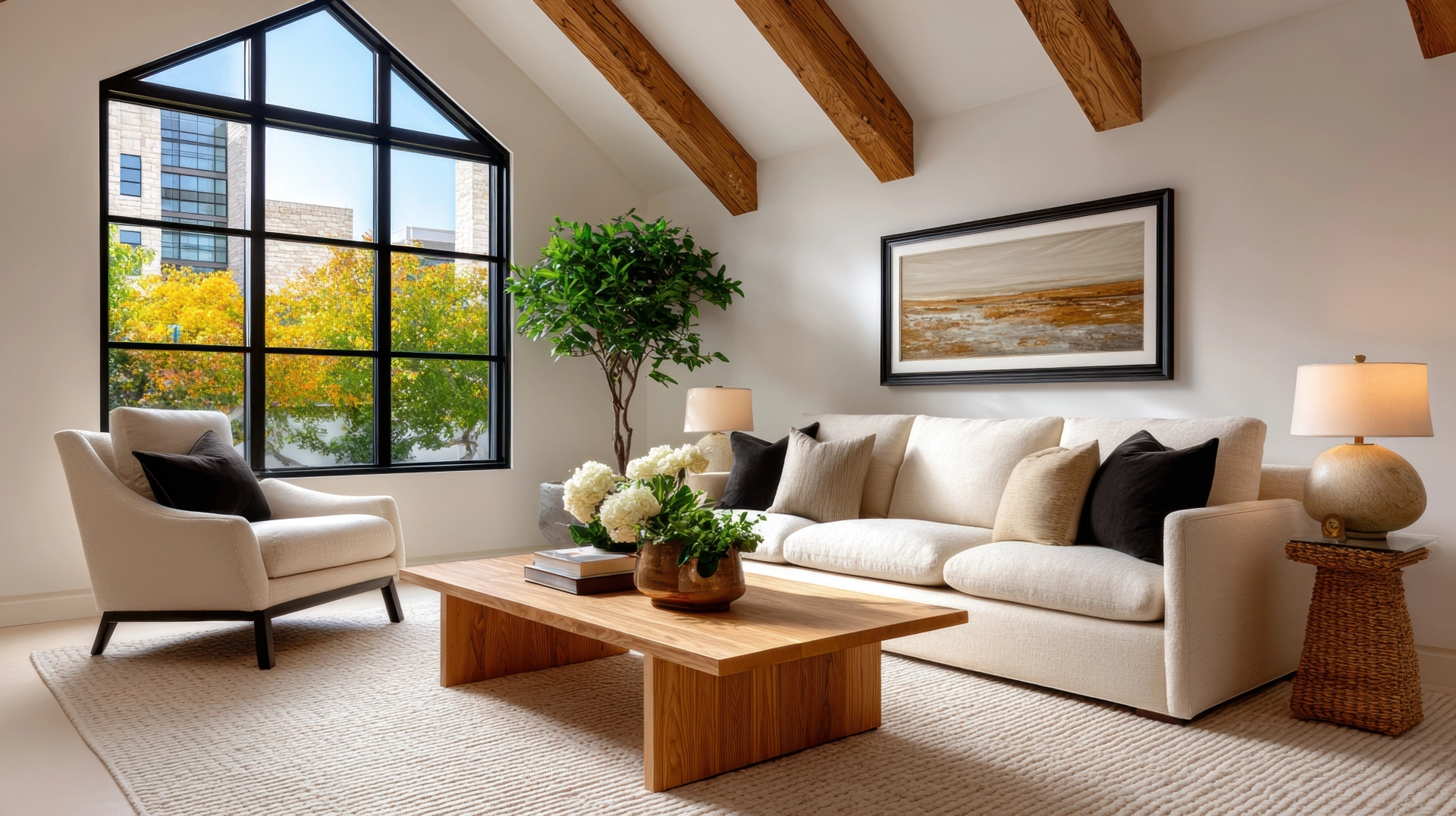
As one of the commonly used plates in interior design, solid particle board is the mainstream basic plate for current home decoration customization, suitable for most rigid-demand interior design scenarios. Also known as chipboard, it is made by crushing solid wood scraps and branch materials into particles, mixing with environmental-friendly glue and pressing under high temperature and high pressure. It features uniform overall structure, excellent stability with low deformation and cracking risks, as well as outstanding nail-holding power and rich decorative surface colors, adapting to a variety of interior design styles such as modern minimalism, light luxury and original wood style. Boasting prominent cost performance in interior design, it is the preferred substrate for cabinets in dry areas such as wardrobes, bookcases, shoe cabinets and TV cabinets. However, limited by its manufacturing process, it has average moisture resistance and is prone to expansion and deformation in humid environments. Therefore, it should be strictly avoided in humid areas such as kitchens, bathrooms and balconies in interior design. Adopting particle boards meeting ENF and E0 environmental protection standards can maximize the living health of interior design spaces.
As a commonly used plate in interior design, multi-layer solid wood board has become the preferred substrate for high-quality interior design spaces thanks to its balanced performance. It is formed by cross-laminating and pressing multiple thin solid wood veneers. The cross-laminated structural design endows the plate with high strength, excellent moisture resistance, deformation resistance and load-bearing capacity, with a much lower expansion rate than ordinary particle boards and outstanding moisture-proof and compression-resistant performance. In interior design applications, multi-layer solid wood boards have a wide range of applicable scenarios. They can be used for cabinets and floor base layers in floor heating environments, as well as core plates for kitchen cabinets and bathroom cabinets in humid areas, perfectly solving the problem of moisture-induced deformation of ordinary plates. Compared with particle boards, multi-layer solid wood boards have better environmental performance, durability and a texture closer to solid wood, which meets the needs of high-end fine interior design. Its only disadvantages are the relatively high price and limited thickness specifications, making it unsuitable for ultra-long-size shape design. Reasonable spatial size planning is required in interior design.
As a commonly used plate in interior design, medium-density fiberboard (MDF) is a special functional plate for shape creation in interior design. Made of ultra-fine wood powder through crushing, gluing, high-temperature pressing and polishing, it features uniform density and an extremely smooth surface, possessing the strongest plasticity among all conventional plates. In interior design, sophisticated special-shaped shapes such as complex carvings, arc shapes and concave-convex lines suitable for French and cream styles are almost realized by MDF, which can accurately implement various personalized and artistic spatial design schemes. With easy coloring and veneering performance, it is compatible with various baking varnish and blister processes, and is commonly used for door shapes, wall shapes and decorative lines in interior design. Nevertheless, MDF requires a large amount of glue and has poor moisture resistance, which is prone to expansion and damage when exposed to water. Thus, in interior design, it is only applicable to decorative shapes in dry areas and strictly prohibited for load-bearing cabinets and humid spaces.
As a commonly used plate in interior design, Oriented Strand Board (OSB) is a popular new-type plate for environmental-friendly and light luxury interior design in 2026. Made of high-quality solid wood shavings through directional paving and high-temperature and high-pressure pressing, OSB retains the natural fiber structure of solid wood, with physical properties far superior to traditional plates. It has high strength, good toughness, strong load-bearing capacity and stable internal structure with almost no deformation. In interior design, OSB stands out for its excellent environmental performance. High-quality products can reach the ultra-high ENF environmental protection standard with no excess dust and impurities, suitable for high-end self-occupied houses, children’s rooms, minimalist original wood style and other interior design scenarios focusing on health and texture. It can be applied to multiple parts including cabinets, wall panels, background walls and ceiling base layers. Compared with traditional plates, OSB has a natural and rough texture, inherent with industrial and original wood style aesthetics, and can present an advanced spatial atmosphere without complex veneer, making it a popular substrate for personalized interior design.
In conclusion, plates are the cornerstone of interior design implementation. Accurate mastery of the characteristics and applicable scenarios of various commonly used plates enables interior design schemes to balance aesthetic texture, practical functions and long-term living quality. With the continuous upgrading of home decoration craftsmanship and environmental protection standards, material selection in interior design has become more refined and professional. Reasonable collocation of different plates and avoidance of material selection misunderstandings can not only improve the completeness and sense of premium of spatial design, but also create durable, environmental-friendly and comfortable ideal living spaces.