Eco-Friendly Materials Lead the New Trend of Industrial Export
Driven by the global low-carbon development and the upgrading of the construction industry, the building materials sector is phasing out the traditional extensive development model and advancing toward green, functional and integrated development. As global construction markets see a rising demand for eco-friendly, efficient and low-carbon building materials, high-performance eco-friendly materials have become a core pillar for the iterative upgrading of the building materials industry and the expansion of domestic and overseas markets, driving the entire industry into a new stage of high-quality development.
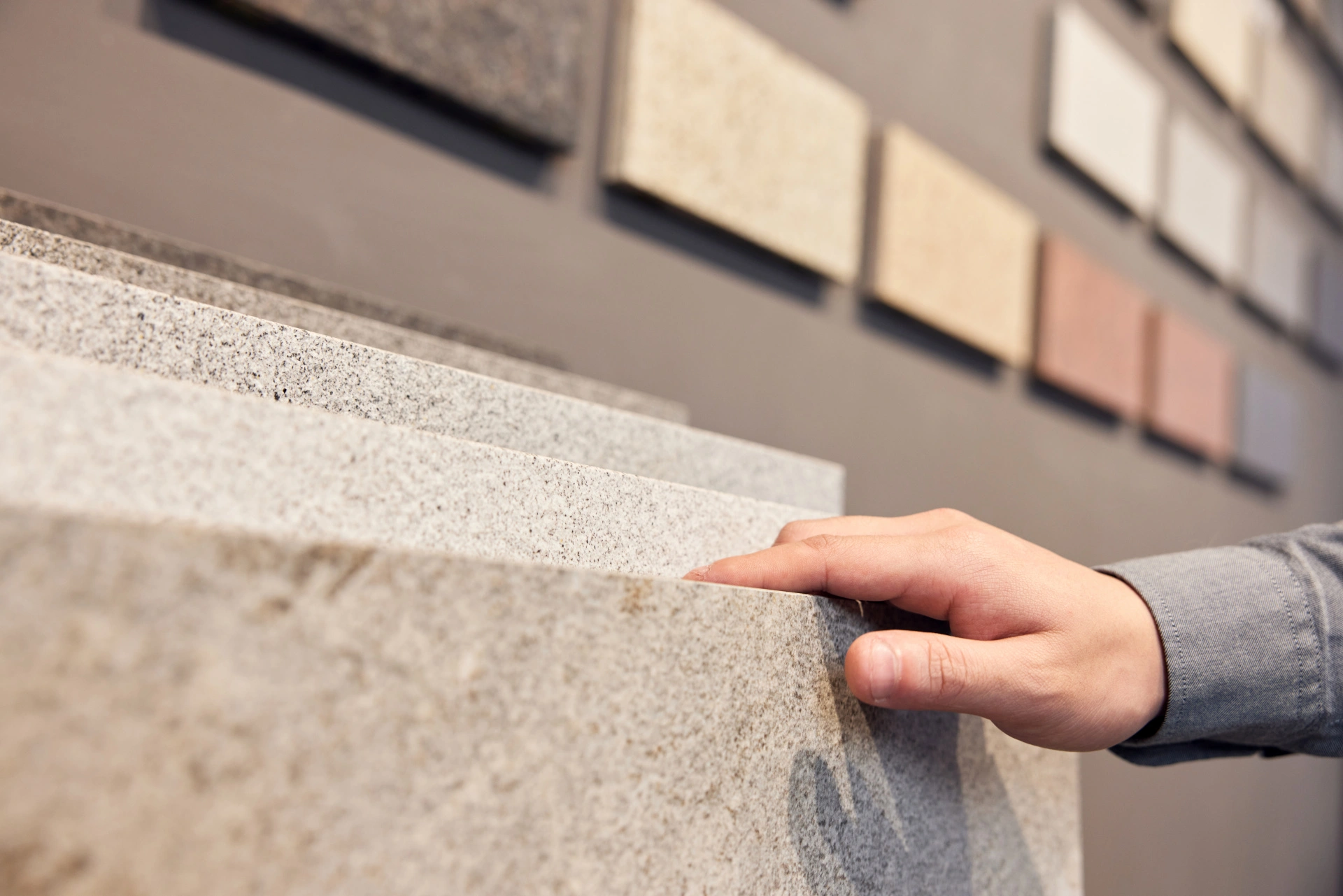
Currently, green and low-carbon standards have become core evaluation criteria for global building materials trade and engineering procurement, forcing comprehensive environmental upgrades across the industrial chain and making eco-friendly materials a key carrier for industrial transformation and upgrading. Starting from the selection of raw materials, the industry has completely abandoned high-pollution and high-consumption traditional materials, and prioritizes renewable, low-emission and pollution-free natural and new-type raw materials, fundamentally reducing the environmental impact of eco-friendly materials throughout their life cycle. In the production and processing stage, the wide application of low-carbon production processes and energy-saving intelligent manufacturing equipment effectively cuts production energy consumption and carbon emissions, realizing clean and green production of eco-friendly materials.
Thanks to the full industrial chain upgrading, a variety of new eco-friendly materials and derivative building material products have gradually become mainstream in the market. Certified by international universal environmental standards, these eco-friendly materials feature zero formaldehyde, low volatility and recyclability. While ensuring durability, safety and compatibility, they are widely applicable to residential decoration, commercial buildings, municipal infrastructure, outdoor projects and other diverse scenarios. Compared with traditional building materials, eco-friendly materials effectively solve industrial pain points such as construction pollution and resource waste, fully conform to the development philosophy of global sustainable architecture, and enjoy a continuously rising market penetration rate.
Beyond the iterative upgrading of basic environmental attributes, functional integration and intelligent adaptation have emerged as new development tracks for eco-friendly materials. Traditional building materials with single functions can only meet basic enclosure and decoration needs, failing to satisfy the diversified and high-quality requirements of modern construction. In contrast, the new generation of eco-friendly materials breaks functional limitations, realizing the in-depth integration of environmental performance and practical functions. Featuring thermal insulation, waterproofing, weather resistance, aging resistance, sound insulation and flame retardancy, these eco-friendly materials achieve multi-functional application in a single product.
The innovation of integrated and multi-functional materials further highlights the core value of eco-friendly materials. It not only simplifies construction procedures, reduces auxiliary material consumption and resource waste, but also greatly improves the comfort and safety of buildings. Meanwhile, with modular and integrated design, eco-friendly materials are highly compatible with prefabricated construction methods. Featuring convenient installation, high construction efficiency, short project cycle and low on-site pollution, they perfectly fit the booming global trend of prefabricated buildings and have become a popular choice for overseas engineering procurement.
The upgrading of global construction market demand has further highlighted the overseas export advantages of high-quality eco-friendly materials. The procurement logic of overseas construction markets has undergone fundamental changes. Low-cost and basic building materials are no longer mainstream, while innovative eco-friendly materials with environmental friendliness, high quality, high added value and easy construction have become the top choice of global purchasers. With the core strengths of green compliance, superior performance and strong adaptability, eco-friendly materials have successfully accessed the global mid-to-high-end market, becoming a high-potential segmented track in building materials export.
In the long run, the development trend of green, intelligent and integrated eco-friendly materials is irreversible. As the global low-carbon system continues to improve and construction quality standards keep rising, the market has increasingly higher requirements for the environmental grade, functional performance, construction efficiency and recyclability of eco-friendly materials. In the future, the core competition of the building materials industry will focus on the green technology, product quality and integrated solution capabilities of eco-friendly materials.
Eco-friendly material products that continuously optimize environmental performance, upgrade functional attributes and improve integrated systems through technological innovation will continue to lead domestic and overseas markets. Taking high-quality eco-friendly materials as a core driving force, the entire building materials industry is accelerating the transformation from supplying basic materials to exporting high-end, high-quality and high-value-added products, steadily promoting the low-carbon, efficient, intelligent and sustainable development of the global construction industry.