
Comprehensive Introduction to WPC Flooring: Material, Advantages and Application Scenarios
Basic Material and Core Composition of WPC Flooring
WPC Flooring is a popular new type of interior floor decoration material for residential and commercial projects, commonly known as wood-plastic flooring. WPC Flooring is manufactured by mixing and pressing wood fiber, polymer resin and various auxiliary additives. Combining the texture of wood materials and the stability of polymer materials, WPC Flooring is a composite environmentally friendly floor material that differs from traditional solid wood and composite flooring with single material structures. Through high-temperature fusion, extrusion molding and other refined processes, WPC Flooring features a dense board structure with few internal gaps. This structure helps weaken the performance shortcomings of single materials, endows WPC Flooring with balanced overall material properties, and makes it adaptable to most conventional indoor floor paving scenarios.
Appearance and Visual Texture Characteristics of WPC Flooring
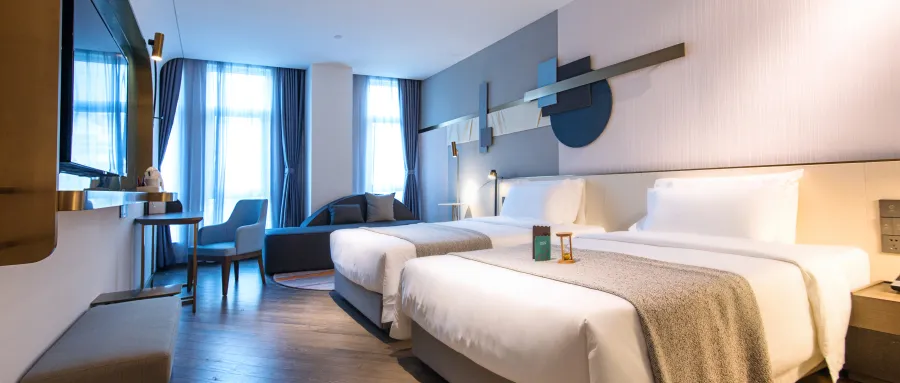
WPC Flooring boasts strong flexibility in appearance design, and can replicate the textures and grain of natural wood and stone through film laminating and embossing processes. WPC Flooring features delicate and natural surface decorative grain with a wide range of colors and styles, which can match various mainstream decoration styles such as minimalist, light luxury and retro styles. Compared with traditional solid wood flooring, WPC Flooring rarely has common defects of natural materials such as color difference, knots and cracks, maintaining relatively stable board flatness. Meanwhile, WPC Flooring delivers a moderate and warm touch, avoiding the cold feeling of stone and the stiff texture of hard flooring materials. It balances natural texture and neat decorative effect in both vision and tactile experience.
Main Application Scenarios of WPC Flooring
WPC Flooring has a wide range of adaptable scenarios and can be flexibly paved in various indoor spaces. In home decoration, WPC Flooring can be applied to living rooms, bedrooms, corridors, balconies and other areas to meet daily comfortable household paving needs, and its moisture resistance fits residential use in humid southern regions. In commercial spaces, WPC Flooring is suitable for offices, exhibition halls, retail stores and other areas with moderate pedestrian flow. Its wear resistance and easy-maintenance features help reduce daily operation and maintenance costs. In addition, WPC Flooring is applicable to partial renovation and old house upgrading projects. With convenient installation and high compatibility with original ground foundations, it serves as a favorable option for floor renovation.
Installation and Maintenance Features of WPC Flooring
Most WPC Flooring adopts a click-lock installation structure with a relatively simple installation process, which does not require complex glue bonding. It shortens the overall construction cycle and has lenient requirements for construction environments. WPC Flooring achieves uniform splicing gaps and excellent overall aesthetics after paving, suitable for rapid decoration and quick occupancy projects. In terms of daily maintenance, WPC Flooring does not require regular waxing and polishing, and basic cleaning including sweeping and mopping is sufficient for daily upkeep with low maintenance thresholds. It is worth noting that although WPC Flooring has good stability, long-term exposure to strong acid and alkali substances or compression by sharp heavy objects may cause surface damage. Proper daily maintenance can extend its service life to a certain extent.
Material Selection and Adaptation Suggestions for WPC Flooring
With comprehensive performance advantages, WPC Flooring has gradually become a high-quality alternative to traditional floor building materials, while it has certain application limitations. WPC Flooring is more suitable for indoor environments with normal temperature and conventional dry and wet conditions, and is not ideal for outdoor scenarios with long-term water accumulation and high-temperature exposure. When selecting materials, consumers and decorators can choose suitable styles of WPC Flooring according to the humidity, pedestrian flow and decoration style of the application scenario, balancing decorative effect and use stability. In terms of cost performance, practicality and aesthetics, WPC Flooring can meet the paving needs of most civil indoor spaces, acting as a new floor decoration material with excellent practicality and compatibility.