Panneau de particules à âme épaisse
Description
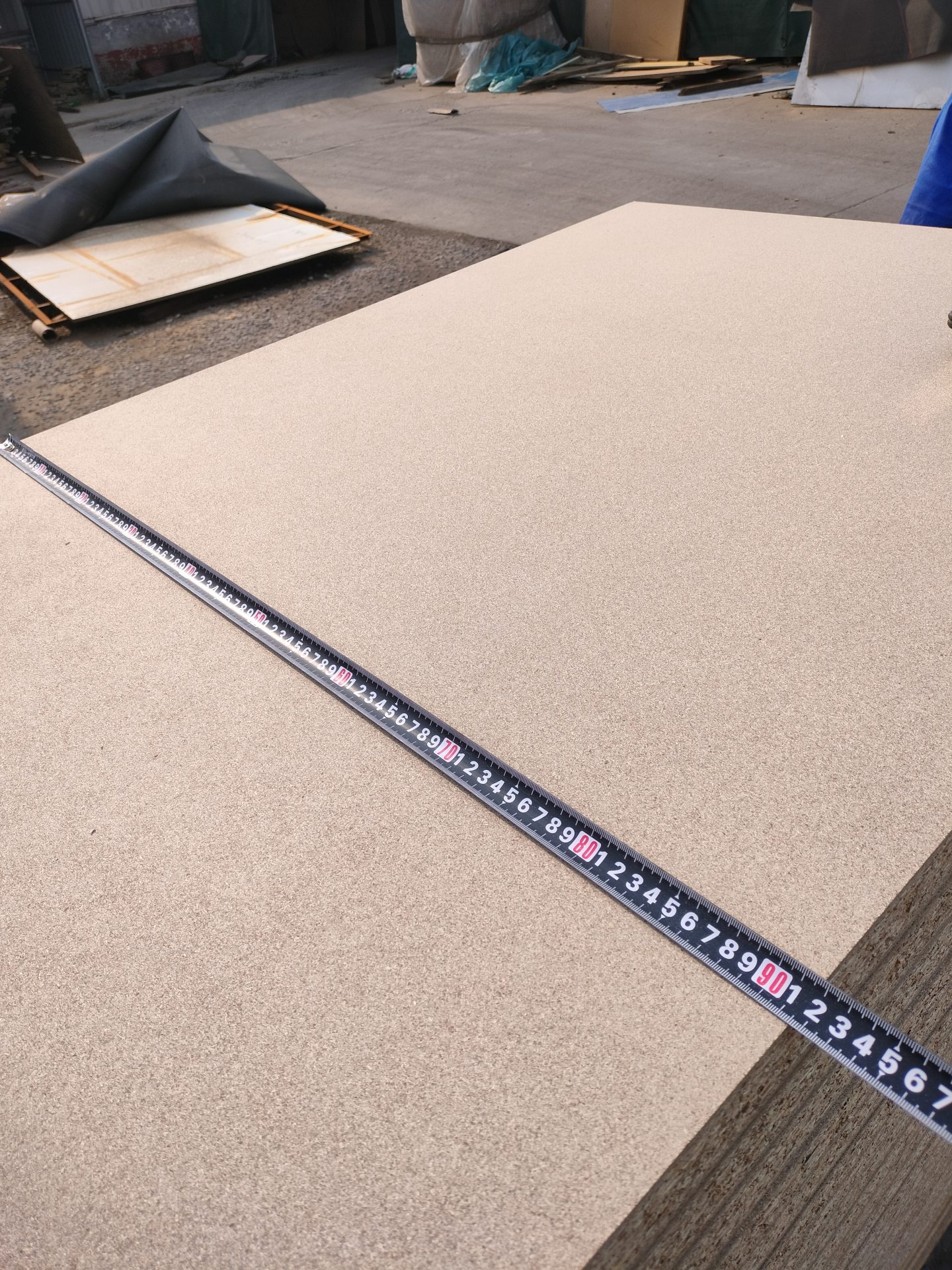
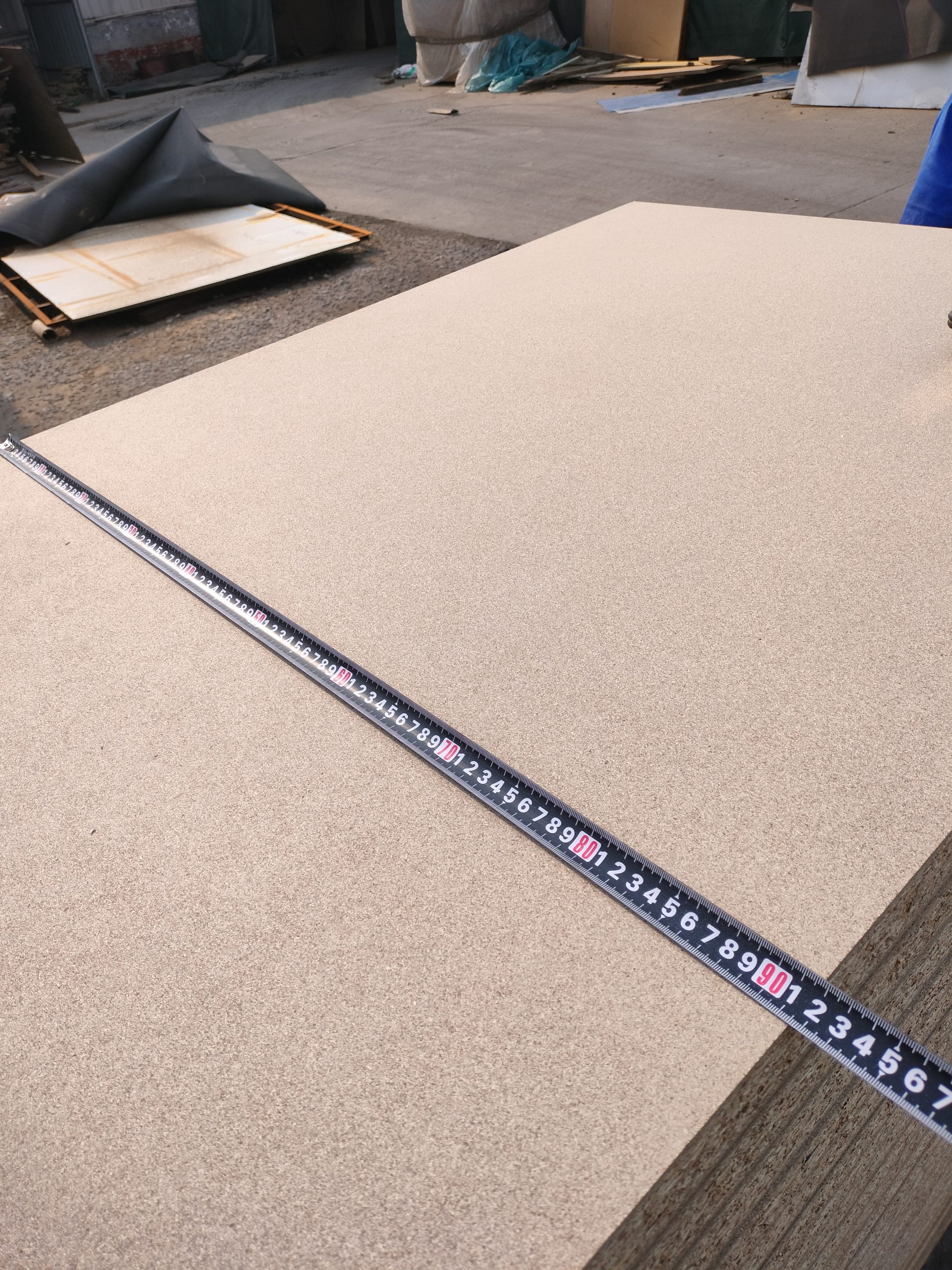
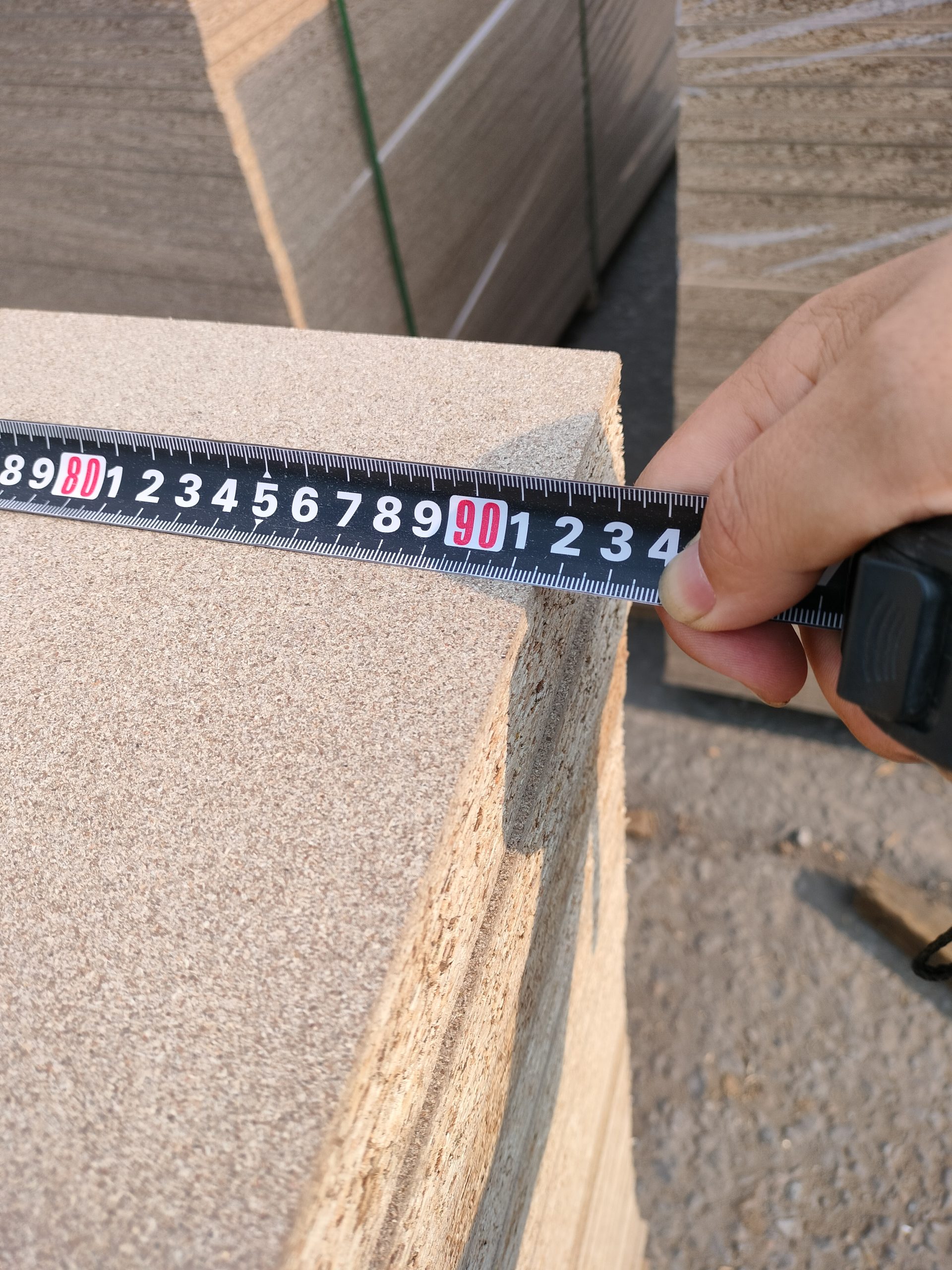
Thick-core particleboard is a dense, heavy-duty engineered wood product designed for structural stability. It features a uniform, smooth, and void-free surface that’s ideal for veneering, with strong density and load-bearing capacity. Suitable for heavy-duty furniture, countertops, and quality interior door cores, it’s easy to process and cost-effective, though it’s less moisture-resistant than some alternatives.
Processus de production
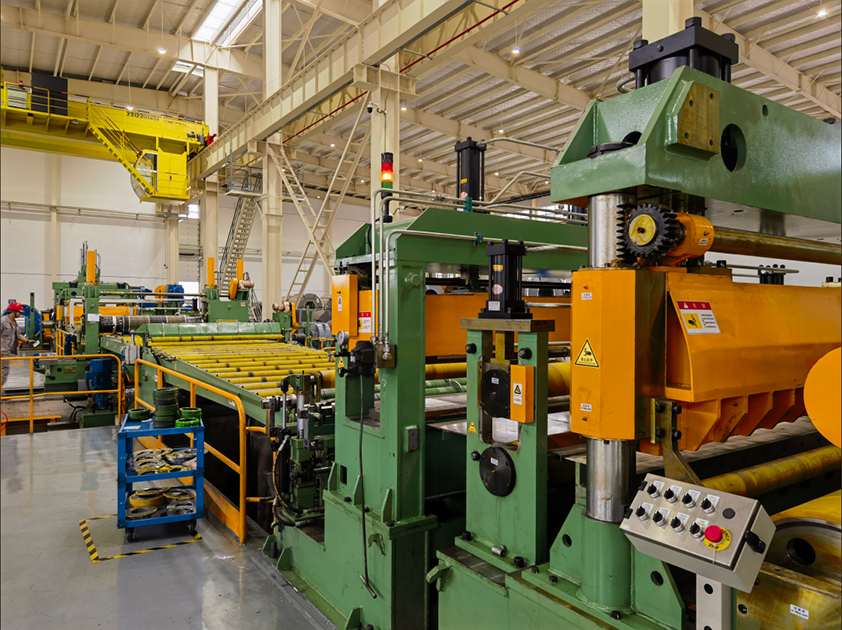
PRÉPARATION DES MATIÈRES PREMIÈRES
- Collecter des matières premières telles que des grumes de bois, des résidus de scierie et du bois recyclé.
- Éliminer les impuretés (métal, pierres, etc.) et écorcer les grumes.
- Couper les matériaux en petits morceaux (2 à 5 cm de long) à l'aide d'une déchiqueteuse.
PRODUCTION DE FIBRESG
- Les copeaux de bois sont cuits à la vapeur dans un digesteur à 160-180°C pendant 20-30 minutes pour ramollir la lignine.
- Broyer les copeaux ramollis en fibres fines à l'aide d'un défibrateur (procédé mécanique ou thermomécanique).
SÉCHAGE DES FIBRES
- Sécher les fibres dans un séchoir rotatif pour réduire le taux d'humidité à 8-12%.
- Séparer et cribler les fibres séchées pour éliminer les particules trop grosses.
COLLAGE ET APPLICATION D'ADDITIFS
- Mélanger les fibres avec de la résine synthétique (principalement de la résine urée-formaldéhyde) dans un rapport de 8-12% du poids de la fibre.
- Ajouter une émulsion de cire (pour la résistance à l'eau) et des agents de durcissement si nécessaire.
- Assurer une distribution uniforme des adhésifs grâce à un système de mélange.
FORMATION DE LA NATTE
- Transporter le mélange fibre-résine vers une machine de formage.
- Former un tapis continu et uniforme, d'une épaisseur et d'une densité contrôlées.
PRÉPRESSION
- Comprimer le matelas en vrac dans une machine de prépresse afin de réduire le volume et d'améliorer la stabilité.
- Former une plaque semi-durcie pour faciliter la manipulation dans les processus ultérieurs.
PRESSAGE À CHAUD
- Transférer la dalle pré-comprimée dans une presse à chaud multicouche.
- Appliquer une température élevée (180-220°C) et une pression (2,5-4 MPa) pendant 3-10 minutes.
- La chaleur durcit la résine et la pression lie les fibres en un panneau solide.
LE REFROIDISSEMENT ET LE PARAGE
- Refroidir les planches pressées à chaud à température ambiante à l'aide de grilles de refroidissement ou de ventilateurs.
- Découper les bords pour obtenir des dimensions standard (par exemple, 2440×1220 mm) à l'aide de scies.
SANDING
- Poncer les deux surfaces des planches à l'aide de ponceuses multi-têtes.
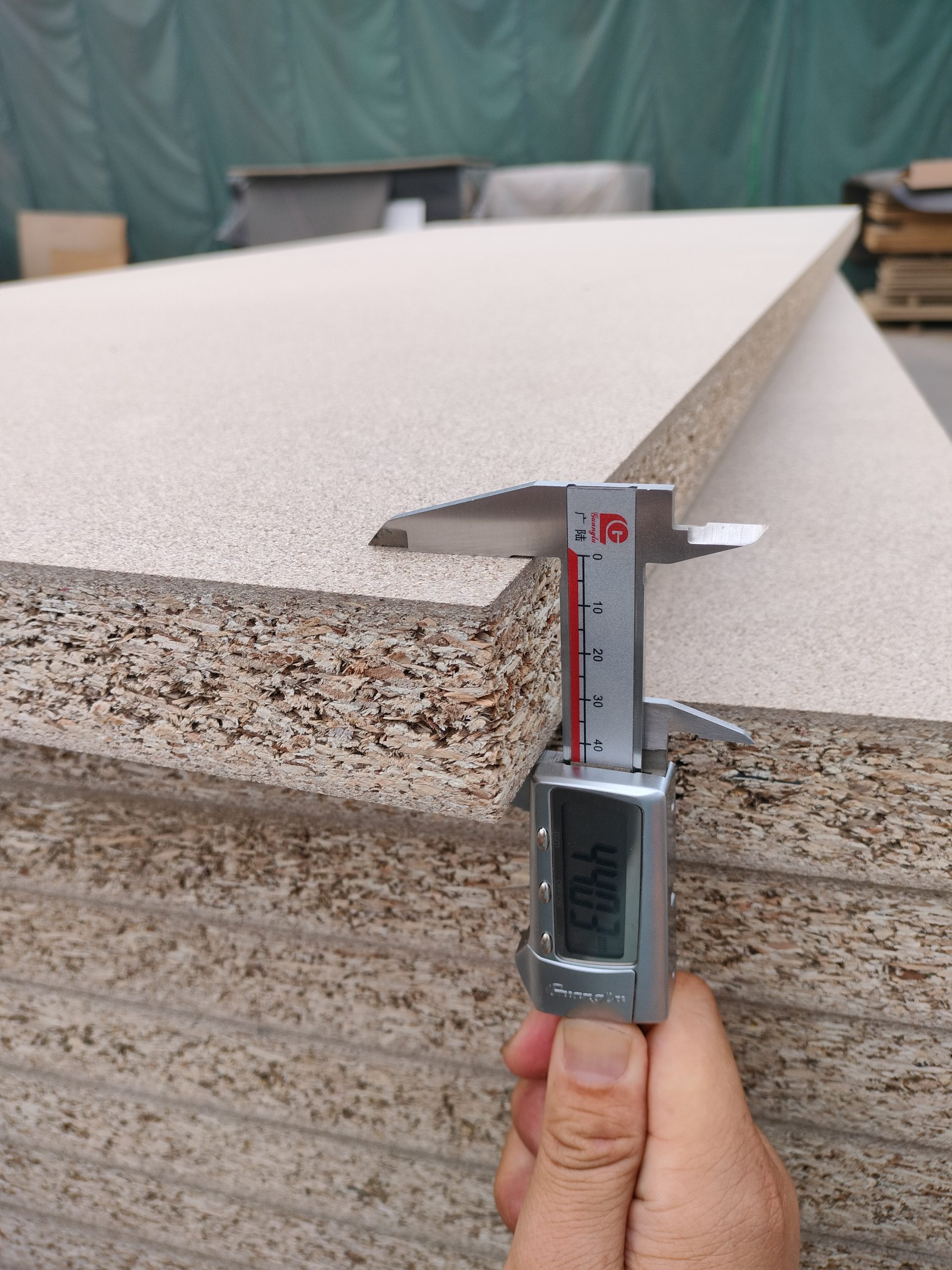
- Obtenir un aspect lisse et une épaisseur précise (généralement de 3 à 30 mm).
L'INSPECTION DE LA QUALITÉ ET L'EMBALLAGE
- Inspecter les planches pour détecter les défauts (par exemple, fissures, densité inégale, imperfections de surface).
- Classer les conseils d'administration qualifiés en fonction de normes de qualité.
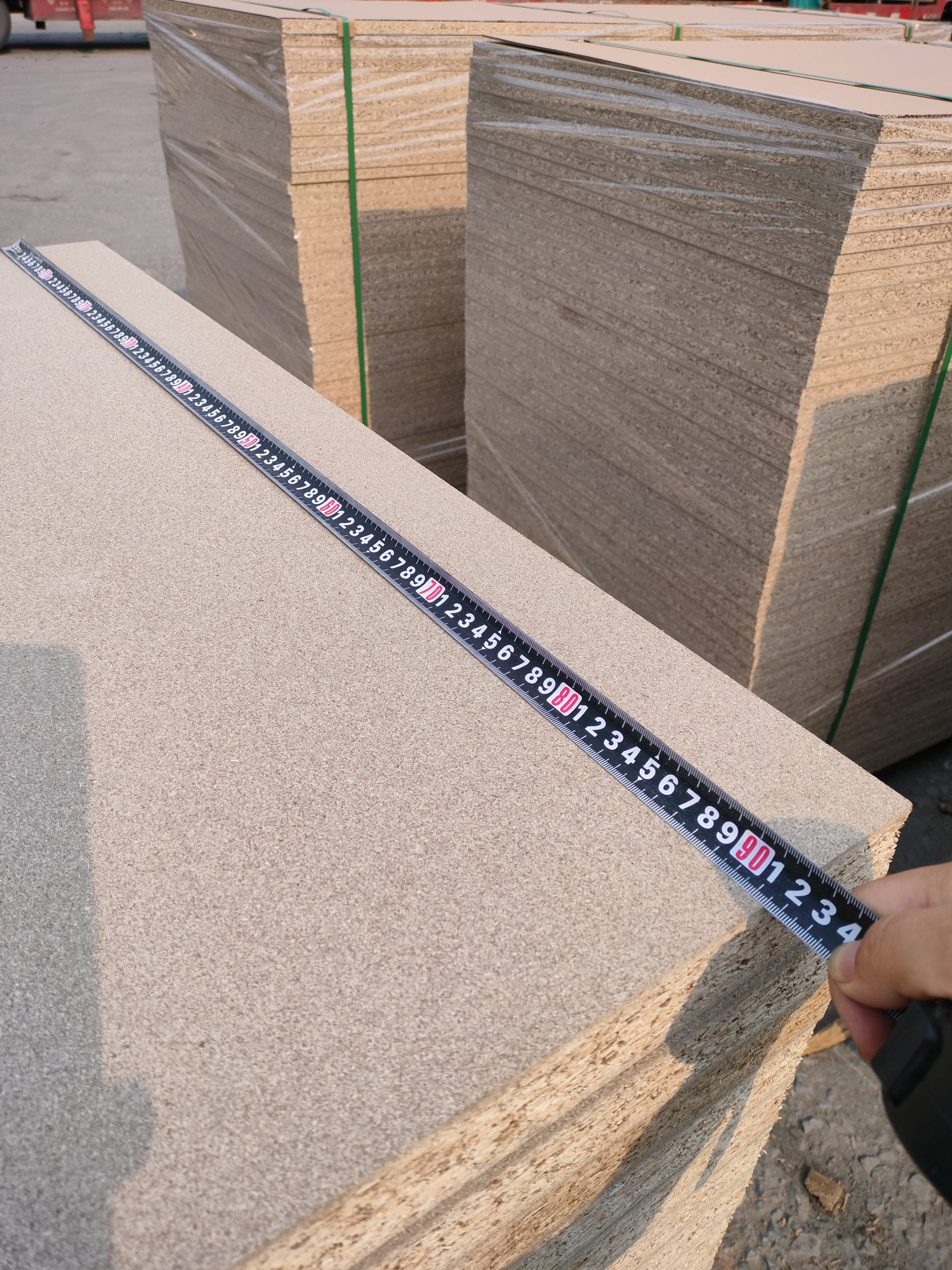
- Empiler et emballer les panneaux pour le stockage ou l'expédition.
Contrôle de la qualité et emballage