Softwood vs Hardwood Plywood: Material Properties and Structural Differences Explained
Plywood stacks thin wood layers, glued with the grain running at right angles. This cross-grain approach helps limit splitting and movement, since each layer pushes back against the others.
That’s why plywood doesn’t behave like solid wood when it comes to strength, weight, or stability. Softwood plywood uses veneers from trees like pine or fir, focusing on structural strength and cost.
Hardwood plywood uses veneers from trees like birch or maple, so it’s more about surface durability and appearance. The difference really comes down to the wood species and how tightly the fibers pack together.
In real world use, softwood plywood usually goes into walls and roofs. Hardwood plywood ends up in cabinets, furniture, and anywhere you want a nice-looking panel.
The material choice shapes how each panel handles load, fasteners, and wear. Layer thickness, glue type, and face veneer all matter for how the panel bends, holds screws, or shrugs off damage.
What Is Plywood?
Plywood is an engineered wood product made by bonding thin wood layers—called plies—with adhesive. Each layer’s grain rotates 90 degrees from the last.
This cross-grain layout helps plywood resist warping and splitting. For most people, that just means flatter panels that hold their shape year after year.
Most plywood stacks up at least three plies, pressed together under heat and pressure. The outer layers, or face veneers, show on the surface, while the inside layers focus on strength and stability.
Plywood stands apart from solid wood because it blends natural wood with controlled manufacturing. Solid wood shifts more with humidity, but plywood’s crossed layers counteract that movement.
There are all sorts of types of plywood, based on species, glue, and what the panel’s supposed to do. Think hardwood plywood, softwood plywood, marine plywood, and exterior panels.
Manufacturers use plywood grades—usually A through D—to describe face quality. An A-grade face has fewer knots and repairs, so you get a smoother finish when looks matter.
Key plywood features at a glance:
- Material: Layered wood veneers with adhesive
- Structure: Cross-grain plies for stability
- Grades: A–D based on surface quality
- Uses: Structural panels, furniture, interior finishes
What Is Softwood Plywood?
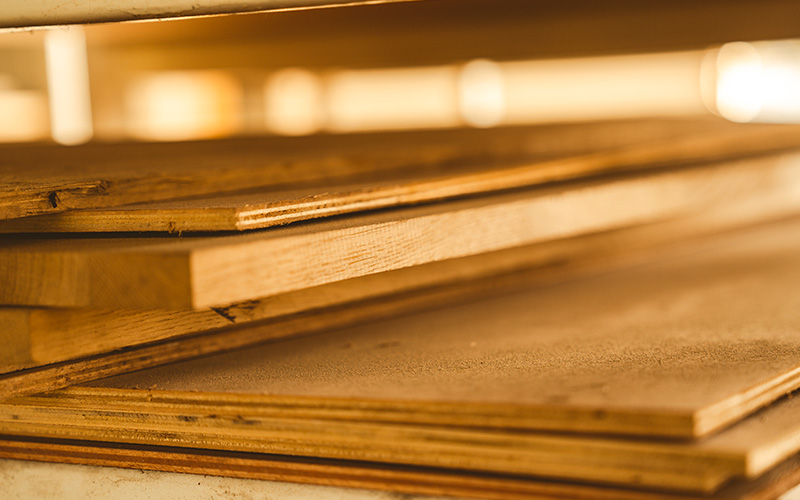
Softwood plywood stacks thin layers of softwood, bonded with adhesive under heat and pressure. Builders go for it in structural panels because it balances load capacity, sheet size, and cost.
Softwood Plywood Material Properties
Softwood plywood comes from softwood species like pine, fir, spruce, and redwood. In forestry, softwood means wood from conifer trees, which grow fast and straight.
This growth gives long fibers, which get cross-laminated into veneers. The layers resist splitting since each one runs at a right angle to the next.
In real use, you get stable panels that hold fasteners across wide spans. Softwood plywood usually has lower density—around 400–550 kg/m³, depending on the tree. That makes for easier lifting and faster cutting on job sites.
Common Uses of Softwood Plywood
Contractors turn to softwood plywood when structure matters more than looks. It’s common for wall sheathing, roof decking, and subfloor panels.
Wall sheathing braces framing, since the layered veneers spread shear loads. Roof decking uses the same structure to support shingles and live loads without cracking.
Softwood plywood also shows up in crates and concrete forms. It’s predictable for temporary or hidden assemblies.
Most softwood plywood ships in 4×8-foot sheets with construction grades like CDX. These grades allow knots and patches, which keeps the price down while meeting code.
What Is Hardwood Plywood?
Hardwood plywood uses thin layers from hardwood species, not softwoods. Makers pick these species for their grain, density, and surface traits—perfect for visible or load-bearing interior work.
Hardwood Plywood Material Properties
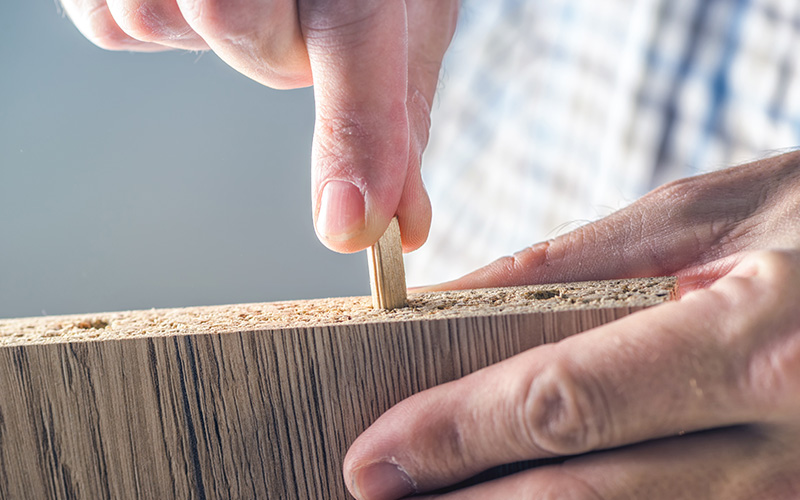
Hardwood plywood stacks cross-laminated veneers from species like birch, mahogany, maple, or oak. The cross-grain layout puts each layer at right angles, so the panel resists splitting and shrinks less with moisture changes.
Most hardwoods have higher density than softwoods. That means surface hardness and impact resistance go up, so the face veneer shrugs off dents.
Birch plywood, for example, uses tight, even grain. You end up with a smooth surface that takes paint or clear finish well.
Common Uses of Hardwood Plywood
Builders and woodworkers pick hardwood plywood where looks and fit matter. Cabinet boxes rely on it since stable panels keep doors lined up.
Furniture makers like it because flat sheets make joinery easier and reduce seasonal movement compared to solid boards. Interior wall panels and built-ins often use birch plywood or mahogany-faced sheets for the even grain and consistent color after finishing.
Typical applications
- Cabinetry: face frames, boxes, shelves
- Furniture: tables, desks, case goods
- Interior trim: wall panels, closet systems
Working with hardwood plywood usually means sharp blades and slower feed rates. Dense face veneers chip more easily, so clean cuts keep the surface looking good.
Structural Differences Between Softwood and Hardwood Plywood
Hardwood and softwood plywood differ right at the veneer level. Hardwood plywood uses veneers from deciduous trees like birch or oak, which have tighter grain and higher density.
Softwood plywood comes from conifers like pine or fir, with wider grain and lower density. That means hardwood panels resist dents better, while softwood panels weigh less and are easier to move around.
Both types use cross-graining, with each veneer running at a right angle to the next. This setup limits expansion and shrinkage, since wood movement cancels out across layers.
The number and thickness of veneers vary, too. Hardwood plywood often stacks more, thinner veneers, so stress spreads out and the panel holds its shape better under load.
Softwood plywood usually uses fewer, thicker veneers, which keeps costs down and speeds up production. For big, structural sheets where looks aren’t a priority, softwood fits the bill.
Core structure varies by intended use:
| Feature | Hardwood Plywood | Softwood Plywood |
| Veneer density | Higher | Lower |
| Typical veneer count | More, thinner | Fewer, thicker |
| Grain pattern | Fine, uniform | Coarser, visible |
Softwood vs Hardwood Plywood Comparison Table
This table compares the usual material and structural traits. It’s about typical building and shop sheets, not specialty panels like marine or aircraft plywood.
| Property | Softwood Plywood | Hardwood Plywood |
| Wood species | Pine, fir, spruce veneers | Birch, maple, oak veneers |
| Density | Lower density due to faster-growing trees | Higher density from slower-growing trees |
| Strength direction | Consistent across the panel from cross-laminated plies | Also consistent, with higher face veneer hardness |
| Surface quality | Rougher face grades are common | Smooth face grades are common |
| Moisture resistance | Depends on glue and grade; exterior grades use phenolic resin | Also grade-dependent; exterior grades use phenolic resin |
| Typical uses | Sheathing, subfloors, framing | Cabinets, furniture, interior panels |
| Cost per sheet | Lower cost from faster tree growth | Higher cost from slower growth and face veneers |
Softwood plywood stacks softwood veneers with grains at right angles, so splitting and movement stay in check. That’s why it’s the go-to for floors and walls.
Hardwood plywood uses hardwood face veneers over a plywood core. The harder face shrugs off dents, especially with species like birch, giving you cleaner edges and a smoother finish.
Both types depend on glue type and grade for moisture resistance. Exterior grades use phenolic resin glue, which stands up to water. If moisture’s an issue, the label matters more than the wood species.
Softwood trees grow faster, so softwood plywood usually costs less. That makes it a practical pick for big structural jobs.
Is Softwood or Hardwood Plywood Stronger?
Hardwood plywood usually comes out stronger than softwood plywood in most structural tests. It uses denser woods like oak, maple, eucalyptus, or birch, which bumps up stiffness and load capacity.
In practice, hardwood panels resist bending and surface damage under the same load. This strength comes from both density and how the veneers are stacked.
Denser veneers boost bending strength and help screws hold better, since the fibers grip fasteners more tightly. Cabinets and furniture made from hardwood plywood tend to stay solid and loosen less over time.
Softwood plywood uses species like pine, spruce, or fir. These woods have lower density, which cuts bending strength but also makes the panels lighter.
Softwood panels handle easier and put less stress on framing in walls and roofs. Surface hardness is a different thing from structural strength.
The Janka hardness scale measures how well wood resists dents and wear, not how much weight it can hold. Many hardwood faces rate higher on the Janka hardness scale than softwood faces, so they shrug off scratches better.
For high-contact areas, hardwood plywood usually keeps a cleaner surface.
Hardwood plywood works well for load-bearing and furniture parts. Softwood plywood is better for framing and sheathing, where weight and cost matter more.
Hardwood Plywood vs Regular Plywood
Hardwood plywood uses face veneers from trees like birch, maple, or oak. Regular plywood usually means softwood plywood, made from pine, fir, or spruce.
The core structure is similar, but the surface layers change how each panel looks and works. Hardwood plywood supports precise joinery because its face veneers have a tighter grain and fewer gaps.
Manufacturers often use thicker face plies, so the surface holds screws and fasteners with less tear-out. That means cleaner edges when cutting dados or rabbets for cabinets and furniture.
Softwood plywood is more about structure than looks. Builders often pick it for subfloors and wall sheathing since the cross-laminated layers spread loads evenly.
Stable panels resist bending under weight, even if the surface shows knots or patches. Here’s a quick look at key differences that show up in real projects:
Flexible plywood is a different beast. It uses thin veneers and a special layup that lets the sheet bend along one axis. For curved panels or rounded joinery, you can actually get the sheet to follow a radius without cracking.
Softwood vs Hardwood Plywood Cost and Availability Guide
Softwood plywood almost always costs less and shows up in more stores than hardwood plywood. Hardwood plywood is pricier because mills use slower-growing trees and graded face veneers meant for visible surfaces.
Can You Use Softwood Plywood for Furniture?
Furniture makers sometimes use softwood plywood, but mostly for hidden parts. Softwood panels often use pine or fir cores and construction-grade faces.
These veneers dent more easily, so it’s best to stick to drawer boxes, backs, or seat platforms. It’s a way to trim material costs without really changing how the furniture works.
Softwood plywood isn’t great for tabletops, cabinet doors, or exposed shelves. The softer faces show fastener marks and wear faster under daily use.
Softwood vs Hardwood Plywood vs Solid Wood
Softwood and hardwood plywood aren’t the same as solid wood. Plywood stacks thin veneers with alternating grain direction, which keeps movement in check and reduces warping when humidity changes.
Hardwood plywood uses veneers from angiosperms like oak, maple, or birch. These trees have complex cell structures, so the panels end up denser and resist dents better.
Cabinet panels made from hardwood plywood hold their shape under daily use. Softwood plywood uses veneers from gymnosperms like pine, fir, or spruce.
These species grow fast and have simpler cells. The panels weigh less, which makes big sheets easier to lift and install for framing or sheathing jobs.
Solid wood comes from a single chunk of lumber, not layers. The grain runs in one direction, so moisture causes uneven expansion—think cupping or twisting over time.
Wide solid boards need extra spacing and careful fastening. Some solid woods break the mold, though.
Balsa wood is technically an angiosperm, but it’s super light and bends easily. It’s not really for structure—more for models or core panels.
Summary: Which One Should You Choose?
The right pick depends on load needs, surface visibility, and budget. Softwood plywood uses veneers from pine, fir, or spruce. Hardwood plywood uses species like oak, maple, or birch.
Softwood plywood fits structural roles thanks to thicker core plies and construction-grade adhesives. It resists bending under floor and wall loads, so it’s great for sheathing, subfloors, and roofs—basically anywhere the sheet stays hidden.
Hardwood plywood is for visible interior work. The hardwood face veneer has a smoother grain, and the denser face takes stain and paint with fewer blotches.
That’s why you see cleaner cabinet faces, shelves, and panels. Cost is a factor, too.
Softwood plywood costs less per sheet since softwood trees grow faster and supply stays high. That’s a big deal for big projects.
Where moisture is a concern, treated softwood panels like marine-grade sheets hold up better thanks to water-resistant glue. That’s important for bathrooms, sheds, and exterior edges.
Frequently Asked Questions
What are the cell structure differences between hardwood and softwood and how do they affect plywood performance?
Hardwood trees use vessels that create varied density, resulting in a harder surface that resists dents and wear, making them ideal for exposed joinery. Softwood trees rely on uniform cells called tracheids; this consistency spreads loads evenly along the grain, giving softwood plywood the predictable stiffness and strength needed for heavy-duty construction.
Can softwood plywood be used for structural purposes, and how does it compare to hardwood in this regard?
Yes, softwood plywood is the primary choice for structural framing. Species like Douglas fir offer a high strength-to-weight ratio and usually meet structural grades (PS 1 or PS 2) for use in roofs and walls. Hardwood plywood is rarely rated for loads, as manufacturers prioritize face appearance over structural testing, making it suitable only for interior cabinetry.
What are the key characteristics that define hardwood and softwood types of plywood?
Hardwood plywood is defined by face veneers from deciduous trees like birch or oak, offering superior surface hardness and aesthetic appeal for furniture. Softwood plywood comes from conifers like pine; it is generally lighter and cheaper, making it practical for subflooring. However, both types use cross-lamination and heat-set glue to remain stable and flat.
Learn More About Our Products?
Contact Now