
Restructuring of Cross-Border Logistics Landscape: Overseas Warehouses Evolve into Standard Infrastructure
In 2026, global cross-border trade regulations will undergo a round of intensive adjustments. The United States officially closes the T86 de minimis parcel exemption channel, and the European Union cancels the tax exemption policy for parcels worth less than 150 euros. These changes have driven a sharp rise in the costs of the direct mail model. Coupled with the continuously improving requirements of overseas consumers for logistics timeliness, overseas warehouses are no longer a exclusive competitive advantage for large sellers, but have gradually become a basic standard configuration for cross-border export enterprises, triggering an overall restructuring of the cross-border logistics industry.
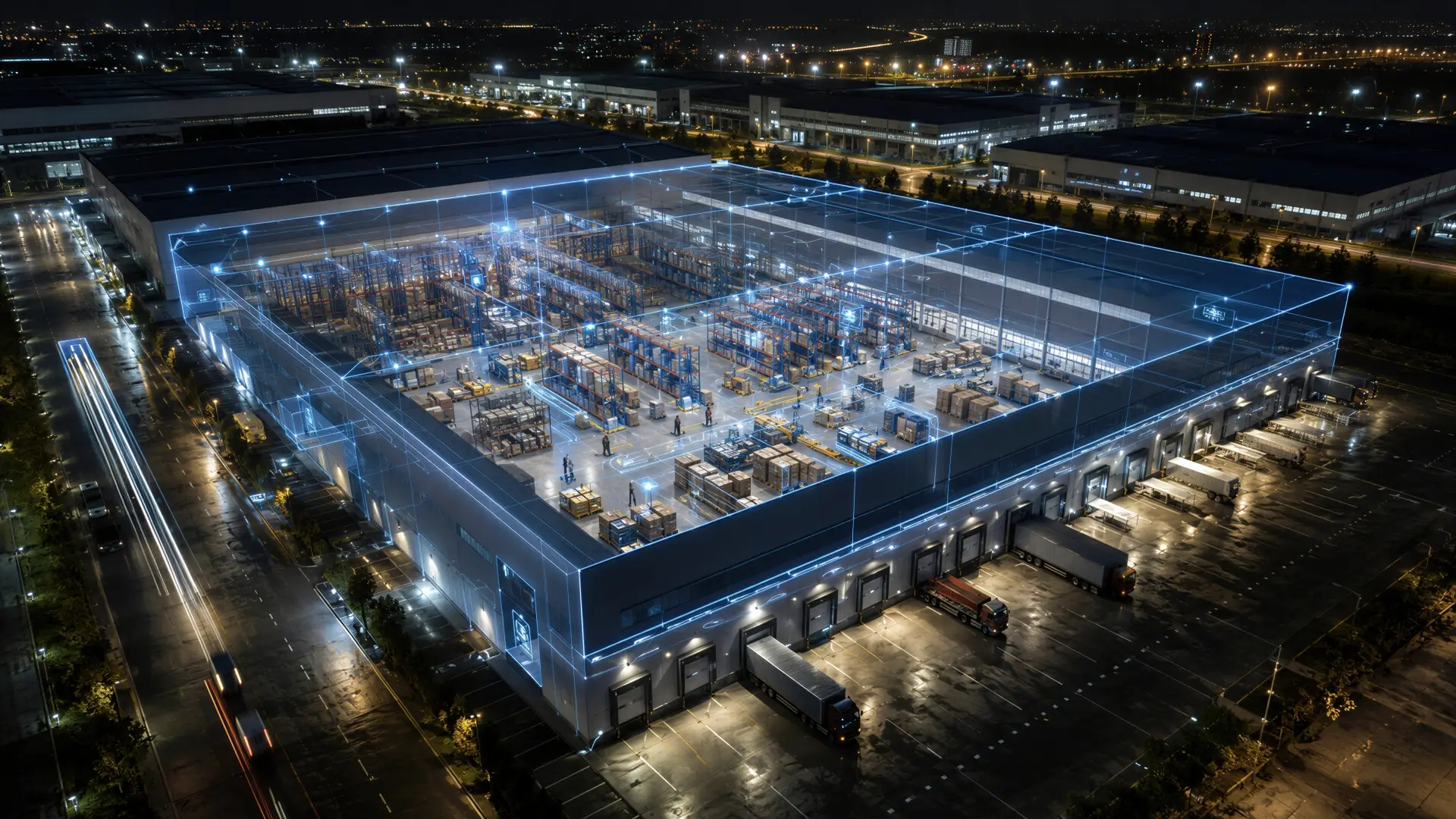
An overseas warehouse refers to warehousing facilities established overseas, serving as a core model for cross-border e-commerce export logistics. Under this model, cross-border e-commerce enterprises ship goods in bulk to warehouses in target market countries via sea freight, air freight and other mass transportation methods for inventory storage. Once local consumers place orders, enterprises directly conduct sorting, packaging and delivery from overseas warehouses to realize localized fulfillment. Effectively solving major pain points of traditional cross-border logistics such as long lead times, high costs and difficult return and exchange processes, overseas warehouses have become critical infrastructure connecting domestic supply chains and overseas consumer markets.
In the past, a large number of small and medium-sized cross-border sellers relied heavily on international direct mail. Goods were delivered directly from China to overseas consumers without advance inventory stocking, featuring low capital occupation pressure and low operational thresholds. However, the implementation of new regulations has fully exposed the inherent drawbacks of this model, bringing three prominent changes. In terms of costs, small parcels previously eligible for tariff exemptions are now subject to full tariffs and import VAT, leading to a substantial increase in the comprehensive costs of direct mail and the disappearance of its original price advantage. In terms of timeliness, overseas consumers have increasingly lower tolerance for waiting. Their delivery expectation has been greatly upgraded, while the long transportation cycle and high parcel loss risk of direct mail continue to damage consumer shopping experience. In terms of platform traffic, traffic resources are tilting towards local fulfillment. TikTok Shop US prohibits shipments from virtual warehouses, while AliExpress and Amazon grant higher search weights to products stored in local warehouses. The traffic dividend for direct mail products keeps shrinking, squeezing the growth space of merchants that solely adopt the direct mail model.
Logistics practitioners have calculated that sellers with a monthly order volume of 1,000 can reduce last-mile delivery costs by approximately 40% by adopting a distributed multi-warehouse fulfillment model covering the US West, Central and East regions, compared with relying solely on a single US West warehouse. Distributed inventory deployment and nearby delivery can not only cut logistics costs, but also avoid operational risks such as warehouse overcrowding and sales suspension caused by single-warehouse failures. Meanwhile, the implementation of technologies including AI-powered replenishment forecasting and automated sorting and picking has further improved warehouse operational efficiency.
Adopt Rational Layout and Reject the Illusion of Easy Success with Overseas Warehouses
Tightening global trade compliance and rising logistics costs are long-term industry trends. An overseas warehouse is a practical operational tool rather than a one-size-fits-all solution to all challenges. In recent years, SUMEC-ITC has thoroughly implemented the Blue Ocean Strategy and continuously optimized its global logistics and resource supply chain service network. The company launched its first overseas warehouse in 2025. The official operation of this warehouse empowers the company to realize pre-stocking and dynamic deployment of resources, achieve cost reduction and efficiency improvement, and substantially enhance its capability in global resource integration.