
CDX Plywood: Grade Meaning, Composition, and Structural Performance Guide
CDX plywood shows up everywhere—on job sites, in home centers, you name it. Yet, that label? It’s kind of mysterious. Builders stick with it for structure, not looks, since it’s all about strength and function over surface polish.
CDX plywood is a construction-grade panel with a C-grade face, a D-grade back, and exterior-rated adhesive. That combo makes it a go-to for structural uses where moisture could show up.
The letter grades allow visible knots and patches. The exterior glue keeps it together during normal weather exposure. You can count on it for framing support without paying extra for a smooth finish you’ll never see.
What Is CDX Plywood? (Decoding the Grade)
CDX plywood isn’t defined by wood species—it’s all about veneer grades and glue type. The letters tell you how each side looks and how the panel handles short-term job site moisture.
The “C” Grade (The Face)
Definition: The “C” grade is the better-looking face of CDX plywood, but it’s built for function, not show.
- Appearance: Expect tight knots and knotholes, all within size limits. Mills usually patch or plug these spots.
- Why it matters: Those repairs keep the veneer in one piece, so the panel stays stiff. That gives a steady nailing surface for sheathing.
- Limits: The surface isn’t sanded for paint or stain. Plan to cover it up with roofing, siding, or flooring.
- Context: C-grade strikes a balance between cost and structural use. It’s good enough for framing jobs without the price tag of appearance-grade panels.
The “D” Grade (The Back)
Definition: The “D” grade marks the rougher back face, where appearance standards drop to save on cost.
- Appearance: The D-grade back allows bigger knots, open defects, and discoloration. Mills don’t bother patching these flaws.
- Why it matters: Allowing defects lowers material cost since mills waste less veneer. This keeps CDX plywood affordable for big projects.
- Structural role: The back still bonds fully to the core plies. Visual defects don’t hurt the panel’s rated strength.
- Use note: Always put the better C face outward or upward for floors or roofs.
The “X” Factor (Exposure Class)
Definition: The “X” means Exposure 1—it’s about glue performance, not permanent outdoor use.
- Adhesive: Panels use phenolic resin glue rated for moisture resistance. This glue stands up to rain or snow delays.
- Causal link: The glue keeps the plies together when wet, so the panel doesn’t fall apart during construction. That protects the structure before the building gets sealed up.
- Limit: Exposure 1 isn’t waterproof. Don’t leave CDX plywood out in the weather forever.
- Practical takeaway: Use it for roofs, walls, and subfloors that’ll get covered up soon.

Structural Composition And Manufacturing
CDX plywood starts with thin softwood veneers, usually pine or fir. Mills stack these in alternating grain directions. This cross-laminated construction keeps the panel from expanding or shrinking too much. It helps the plywood stay flat when temperature or humidity shifts.
Each layer bonds with exterior-grade glue, often a phenolic glue. That adhesive shrugs off moisture during short-term exposure. So, CDX plywood works as structural plywood in roofs, walls, and floors before the final coverings go on.
The bonding process uses hot pressing. Heat and pressure set the glue and lock the veneers together. This makes the whole panel act as one, so it spreads out loads across all the plies. You get steadier support for structural sheathing jobs.
Looking at how CDX plywood is made, it’s clear the process puts structure first, appearance second. That’s why you’ll find it under shingles, siding, or subfloors, but almost never as a finished surface.
Key Benefits of CDX Plywood
CDX plywood handles structural loads thanks to its cross-laminated wood veneers and exterior-rated adhesive. That layered build resists bending and spreads out pressure. It helps walls, roofs, and floors stay in line under normal loads.
The panel delivers solid shear strength when nailed or screwed to framing. Alternating grain direction keeps panels from racking under wind or other side-to-side forces. This makes for stiffer wall and roof assemblies that pass code.
CDX plywood stands up to some moisture, thanks to its exterior-grade glue and “X” rating. The adhesive keeps its grip during short-term wetting, so the panel can handle a bit of rain during construction.
The crosswise veneer layout keeps the panel dimensionally stable. Layers running in different directions balance out expansion and shrinkage. That means less twisting or cupping as humidity changes.
Material cost is another plus. CDX uses lower face grades—C and D—so knots and patches are fine. This grading keeps the price down without sacrificing strength, making CDX a smart pick for hidden sheathing.
Quick benefits:
- Exterior-rated adhesive for limited weather exposure
- Cross-laminated veneers for load distribution
- Consistent thickness for predictable fastening
- Lower cost than ACX or marine plywood
Common Applications & Sizing Guide
CDX plywood gets used mostly for structural sheathing plywood where strength matters more than looks. Cross-laminated veneers and exterior glue make it tough enough for load and short-term moisture during construction.
For roof sheathing and roof decking, CDX spans rafters or trusses under shingles or metal. Common thicknesses: 1/2 in., 5/8 in., and 3/4 in. Thicker panels flex less because they have more layers. That means a flatter roof and better support for roofing materials.
Wall sheathing uses CDX to brace stud walls against wind. Typical sizes: 3/8 in. and 1/2 in. The nailed panel ties studs together and keeps walls square before siding goes up.
For subflooring, CDX sits over joists as the base for carpet, tile, or hardwood. Builders often pick 5/8 in. or 3/4 in. sheets. Some have tongue-and-groove edges to lock panels together and cut down on edge movement. That means fewer squeaks and a flatter floor.
CDX also pops up in concrete forms, workbenches, shelves, and other rough projects. The lower veneer grades allow knots and patches, keeping cost down. It’s a practical call for temporary forms or utility builds where appearance doesn’t matter.
CDX Plywood Vs. The Alternatives
Choosing between CDX plywood and other sheet goods often comes down to cost, moisture, and strength needs. Each panel type is made differently and handles water and load in its own way.
CDX Vs. OSB (Oriented Strand Board)
CDX plywood and OSB (oriented strand board) fill the same roles in roofs, walls, and subfloors, but they act differently.
OSB uses compressed wood strands and resin. That lowers cost since manufacturers use small wood bits instead of veneers. Usually, OSB is cheaper per sheet.
CDX relies on cross-layered veneers with exterior glue. That makes it stiffer and helps it dry faster if it gets wet. Edge swelling is less of a problem with CDX during short-term weather exposure.
OSB weighs more and holds onto moisture longer. That extra weight can add to floor dead load, and slow drying can lead to thicker, swollen edges if it gets wet a lot.
CDX Vs. Pressure-Treated Plywood
Pressure-treated plywood starts out as regular plywood—often CDX—then gets a chemical treatment.
This treatment forces preservatives deep into the wood. The chemicals fight off rot, insects, and fungus. Treated plywood lasts longer in ground contact or damp spots.
CDX plywood skips chemical treatment. It only relies on exterior-grade glue, which resists moisture but not decay. That makes it fine for covered roofs and walls, but not for direct soil or long-term water exposure.
Treated plywood costs and weighs more since it holds onto extra moisture after treatment. It also needs corrosion-resistant fasteners because of the chemicals.
CDX Vs. Marine Grade Plywood
Marine-grade plywood is built for boats and super-wet places, not ordinary framing.
Marine panels use higher veneer grades and have no core voids. Manufacturers use waterproof adhesives that meet marine standards. That stops hidden water pockets from causing rot inside the panel.
CDX plywood allows core gaps and uses lower face grades. Those gaps don’t hurt basic strength, but they can become weak spots if water gets trapped inside.
Marine-grade plywood is way more expensive and doesn’t add structural value in dry framing. It only makes sense in places with constant moisture—not for roofs or subfloors where CDX or ACX plywood already does the job.
Pro Tips For Installation And Maintenance
Start with proper spacing when working with CDX plywood. Leave a 1/8-inch gap between sheets since wood fibers swell with humidity.
This small gap eases edge pressure and helps keep panels from buckling later on.
Install panels with the C-grade face up or out. That side has fewer open knots than the D-grade face, so you get a flatter surface for flooring or roofing.
Pay attention to fasteners and layout. Place the long panel edge across joists and stagger seams between rows.
This approach spreads weight across framing and helps cut down on squeaks over time.
Seal all cut edges before installation. Use exterior-grade paint or a wood sealer since the edges soak up water faster than the faces.
Sealing slows moisture wicking and lowers the risk of swelling at the edges.
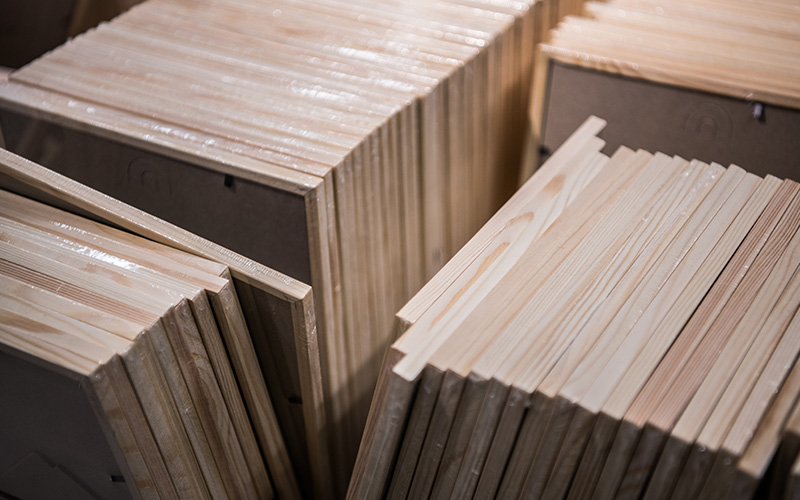
Store panels flat and off the ground before use. If you have to keep them outside, cover them up.
This way, you avoid warping from uneven support or ground moisture.
After installation, keep an eye on moisture. CDX uses exterior-rated adhesive, but it’s not waterproof.
Fix leaks quickly and don’t let panels stay wet for long if you want them to hold their shape and grip fasteners.
Frequently Asked Questions
What defines the different grades of CDX plywood?
The C and D letters describe the face and back veneer grades. C-grade faces allow tight knots, patches, and small splits. D-grade backs allow larger knots and open defects.
The X means the adhesive is exterior-rated, usually phenol-formaldehyde resin. This glue resists moisture, so the plies stay bonded if they get wet for a short time. A little rain during construction won’t cause the panel to fall apart.
CDX is a construction-grade plywood—not meant for looks. It’s for places where strength matters more than appearance, unlike cabinet-grade plywood like birch or maple.
What are the common uses for CDX plywood in construction?
Builders use CDX plywood for wall sheathing, roof decking, and subflooring. The cross-laminated plies spread loads, which helps resist racking and bending.
On roofs, CDX supports shingles or metal panels because it keeps a steady thickness over rafters. No one likes soft spots underfoot while working up there.
CDX also works for temporary things like ramps or jobsite shelving. Surface defects are fine for these uses, unlike with furniture plywood.
What thicknesses are available for CDX plywood, and how are they chosen?
Common CDX thicknesses include 3/8 inch, 1/2 inch, 5/8 inch, and 3/4 inch. Thicker panels can handle more weight, thanks to extra plies.
For roof decking, 1/2 inch or 5/8 inch panels are typical, depending on how far apart the rafters are. Wider rafter spacing calls for thicker plywood to keep things solid.
Subfloors often use 3/4 inch CDX. This thickness helps cut down on floor bounce, especially when installing tile or hardwood.
What are some known drawbacks of using CDX plywood in building projects?
CDX plywood comes with a rough surface, full of visible knots and patches. It’s honestly not a great choice for painted finishes or anywhere the plywood will stay exposed indoors.
The exterior-rated adhesive helps it resist moisture, but the wood itself still soaks up water. Leave CDX out in the elements too long, and you’ll notice it starts to swell and lose its original thickness.
It’s important to cover or seal it pretty quickly. Otherwise, accuracy and durability take a hit.
CDX just doesn’t have the consistent veneer quality you’d find in marine plywood or pressure-treated options. Those other types handle constant moisture or direct ground contact much better.
Learn More About Our Products?
Contact Now