
ACX Plywood: Definition, Grade Properties, and Common Applications Explained
ACX plywood is an exterior-grade plywood with an A-grade face, a C-grade back, and a waterproof adhesive for outdoor exposure. This combo gives you a smooth, good-looking surface on one side and sturdy structural support on the other.
Builders like ACX plywood for its even surface and some moisture resistance. The A-grade face takes paint or finish well, while the C-grade back keeps costs down without really hurting performance.
One sheet can do a lot, so you save time and materials. ACX plywood works for both decorative and practical jobs—pretty handy, right?
What Is ACX Plywood?
When you see “ACX,” it means the panel has an A-grade face, a C-grade back, and it’s glued together with an exterior-grade (X) adhesive. The A face is sanded smooth for painting or sealing, while the C face might show some wood grain and repairs.
Each sheet is made up of multiple wood veneers layered with the grain running in different directions. This cross-lamination keeps the sheet from warping and helps it stay stable. Fir, pine, and other softwoods are pretty common here.
The glue is water-resistant, so ACX keeps its strength when it gets a bit wet. Just don’t confuse it with marine plywood—ACX isn’t meant for constant, heavy outdoor soaking.
How ACX Differs From Other Plywood Grades
ACX stands apart from CDX plywood because of its better-looking surface. CDX has C and D faces, so it’s more for hidden or structural spots like roofs or walls. ACX, with its smooth A face, is great for places you’ll actually see.
Compared to marine plywood, ACX uses similar glue but lets small repairs and gaps slide. Marine plywood is stricter—no core gaps, no visible defects, and it’s built for nonstop outdoor use.
Unlike interior-grade plywood, ACX has waterproof glue. That makes it a solid pick for limited outdoor stuff like soffits, trim, or even signs. You get a good-looking face and reliable moisture resistance in one panel.
ACX Plywood Grading and Quality
The ACX grading system tells you a lot about how the plywood looks, works, and lasts. Its name spells out the veneer grade on each face and what kind of glue holds it together.
Explanation of ACX Grading
ACX stands for the A-grade face veneer, C-grade back veneer, and X-grade exterior adhesive. Each letter points to a specific trait of the sheet.
The A grade means the front is smooth and sanded, free from big defects. The C on the back might have knots or patches, but it’s still strong. The X is all about the exterior glue that keeps moisture out.
Manufacturers follow APA rules for grading. Panels go through inspections for looks, bond strength, and core gaps. The grade affects how well you can paint it, how it resists moisture, and whether it’s worth using outside.
Surface Grades: A Face and C Back
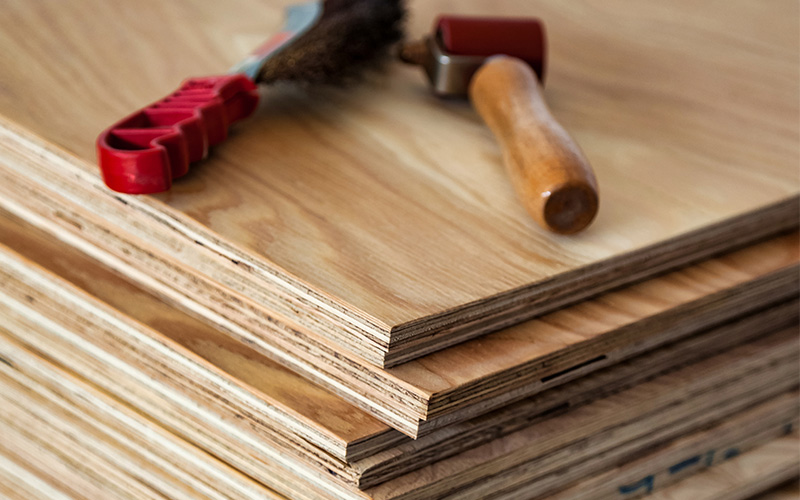
The A-face veneer uses select wood with almost no visual flaws. It’s sanded for a smooth finish, so paint or stain goes on easily. That’s why builders usually put the A side out where it’ll be seen.
The C-back allows knots and repairs that don’t mess with strength. It’s a smart way to save money since the back doesn’t need to look perfect. This split keeps one side attractive and the other just tough enough.
C-grade layers bond well with the core, so you get a solid, stable sheet. It’s a nice balance of strength and cost for framing or outdoor jobs.
Role of Exterior Grade Adhesive
The exterior-grade adhesive—the “X” in ACX—matters a lot for durability. It’s usually a water-resistant resin like phenol-formaldehyde that bonds the layers tight.
This glue keeps the sheet from falling apart when it gets wet. Manufacturers test the bond by cycling panels through moisture and heat to make sure they hold up.
The glue quality decides where you can use ACX plywood. Builders reach for it in wall sheathing, soffits, and outdoor cabinets—basically, anywhere that might get damp or see temperature swings.
Properties and Performance Characteristics
ACX plywood gives you a smooth face veneer and a tough, engineered core. Its structure and glue system help it handle load and some weather.
Physical and Structural Properties
ACX plywood puts an A-grade veneer on one side and a C-grade veneer on the other. The front is sanded and ready for paint or finish. The back might show knots or patches but still holds together well.
The core uses thin wood plies layered in alternating grain directions. This cross-lamination keeps the panel stable and less likely to warp. Standard sizes are usually 4×8 feet, with thickness from ¼ to ¾ inch.
Thanks to its design, ACX plywood has a high strength-to-weight ratio. It can handle framing, wall sheathing, and cabinet jobs. If you cut along the grain and use screws right, you’ll avoid edge splits.
Engineering Properties
As an engineered wood product, ACX plywood gives you predictable performance. The alternating layers spread out stress, so it bends and swells less.
The modulus of elasticity (MOE) usually lands between 1.0 and 1.5 million psi. The modulus of rupture (MOR) is around 4,000–6,000 psi. These numbers depend on the wood species, veneer, and glue.
Plywood density sits at 34–40 lb/ft³. That’s enough for medium loads without making the sheet heavy. Subfloors and roof decks hold up well, and screws and nails bite into the layered core nicely.
Weather and Moisture Resistance
The “X” in ACX means exterior-grade adhesive holds the plies together. This water-resistant phenolic resin stops the panel from coming apart when it gets wet now and then.
Unsealed ACX can handle a bit of rain or humidity, but don’t leave it out forever. If you seal or paint it, you’ll get better protection. Sealing the edges helps keep out swelling and separation, too.
Compared to interior plywood, ACX stands up better to moisture swings. Builders use it for soffits, exterior walls, and utility structures where you want some weather resistance without going full marine-grade.
Common Applications of ACX Plywood
ACX plywood fits both structural and decorative projects. People use it for sheathing, cabinetry, subfloors, and outdoor parts where you need a nice surface and some moisture resistance.
Construction and Sheathing Uses
ACX plywood makes a solid base for wall, roof, and ceiling sheathing. The A-grade face looks good for visible spots, and the C-grade back grips framing well.
Thanks to its exterior glue, these panels handle some moisture—think semi-enclosed or ventilated areas. You’ll usually find thicknesses from 3/8 inch to 3/4 inch, depending on what you’re building.
Contractors use it for bracing and temporary site protection, too. It’s also good as a backing for siding, since nails and screws hold tight without splitting the panel.
Furniture and Cabinetry
For furniture and cabinets, ACX plywood gives you a smooth, sanded face that takes stains, paint, or laminate evenly. The A-grade veneer keeps surface flaws to a minimum, so the final look is consistent.
Because the core uses exterior adhesive, it stays more stable than interior plywood when humidity changes. That helps doors, shelves, and drawers stay lined up.
Some typical uses:
- Cabinet boxes and shelves
- Workbenches and utility tables
- Shop furniture in damp or semi-moist areas
ACX plywood hits a sweet spot between cost, appearance, and weather resistance. You get a panel that looks good and holds up well, even if you don’t need full marine-grade durability.
Flooring and Subflooring
Builders often pick ACX plywood for subfloors under finished flooring. Its stiffness and structural rating help keep floors from sagging between joists.
Many ACX panels come with tongue-and-groove edges. That little detail makes them fit together snugly and keeps floors from squeaking as the years go by.
Exterior adhesive offers a layer of defense against the occasional spill or damp air during installation. Since one side is smooth, installers can lay vinyl, carpet, or hardwood right over it—no sanding needed in most cases.
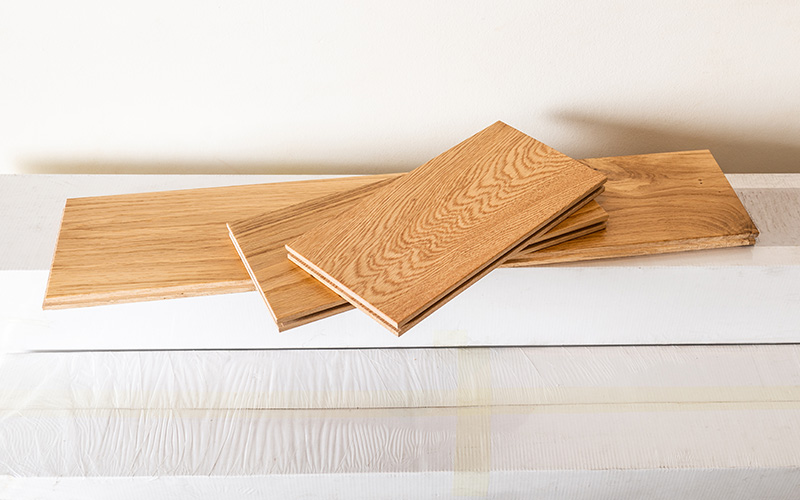
This combo of features makes ACX plywood a solid choice for both residential and light commercial flooring systems. It’s a go-to for people who want something reliable but not overkill.
Exterior and Outdoor Projects
ACX plywood’s exterior-rated glue lets it handle moderate outdoor exposure if you seal or paint it properly. Folks use it for deck underlayment, exterior wall panels, and even outdoor cabinetry.
Since only the face veneer is A-grade, most people slap on primer and paint to make it last and to clean up the look. Sealing the edges is key—otherwise, water sneaks in at those cut ends.
You’ll spot ACX plywood in utility sheds, signboards, fascia panels, and even the frames of play structures or outdoor furniture. It’s dependable when you keep up with coatings and check on it now and then. Weather changes? ACX can take it, within reason.
Advantages and Limitations
ACX plywood strikes a balance between structure and finish. The bonded outer layers fend off moderate moisture, and the single A-grade face gives you a nice, smooth surface for spots that stay visible.
Strength and Durability Benefits
With its exterior-grade adhesive, ACX panels stay stable in all sorts of temperatures and humidity. Each sheet has an A-grade face veneer and a C-grade back veneer. The A face is clean and easy to paint, while the C back just does the heavy lifting.
The cross-laminated core spreads out stress across the layers. That design helps prevent splitting and surface checks you’d see in solid lumber. In real life, that means it holds nails and screws well and doesn’t bend much under moderate weight.
You’ll find ACX plywood in wall sheathing, cabinetry frames, and roof panels—places where strength and stiffness matter. Its engineered build keeps quality consistent from sheet to sheet. That consistency helps you waste less when you’re cutting or fitting panels.
Cost and Affordability
ACX plywood costs more than basic CDX but less than marine or fancy hardwood panels. The price reflects its A-grade veneer and weather-resistant adhesive—not because it looks fancy.
For most residential and light commercial jobs, ACX hits that sweet spot between saving money and getting decent performance. You pay more than you would for the rough stuff, but not as much as for panels meant to live in water.
When you use it right, ACX panels hold up well. The adhesive and top veneer can take some weathering if construction gets delayed or if the panels sit outside for a bit.
Limitations and Water Exposure Challenges
Even with its moisture-tolerant glue, ACX plywood isn’t waterproof. If it sits in standing water or heavy rain for too long, the edges can swell and the veneers might start to separate. The glue holds up, but the wood layers still soak up water over time.
Seal the edges and fastener holes to keep water out. A coat of exterior sealant can really extend its life in humid spots. But if you know the plywood will get wet all the time—like in docks or bathrooms—you’re better off with marine or pressure-treated plywood.
The C-grade back can show some rough spots or patches. Most people hide that side, but if it will be visible, you might need to sand or fill it. Good installation—ventilation, sealing, all that—helps it look good and stay solid.
Selection, Maintenance, and Care
Picking the right ACX plywood—and taking care of it—makes a big difference in how long it lasts and how it looks. Sealing, finishing, and a little upkeep keep moisture out, prevent edge swelling, and help the surface hold up over time.
How to Select the Right ACX Plywood
Choosing ACX plywood really comes down to how much weather it’ll face, what the surface needs to look like, and the structural grade. For cabinets or paneling, you want that “A” face veneer smooth and mostly free of flaws. The “C” back can have knots or patches for spots that won’t show.
Thickness usually runs from 3/8 inch up to 3/4 inch. Go thicker for heavy loads, like roofing or deck floors. If it’s going outside, make sure you see “exterior-grade adhesive” or an “X” on the label—that means it can handle some weather.
Check each sheet for flatness and make sure the layers are bonded tight. Voids or delamination mean the panel won’t be as strong or smooth. Buying from suppliers who keep plywood indoors helps keep it from warping before you even get started.
Sealing and Finishing Techniques
Unsealed edges are trouble—water gets in, and pretty soon you’ve got swelling and decay. A good sealant or edge treatment closes up those pores and protects the core. For outside jobs, most folks use an acrylic latex primer, then some exterior enamel paint or polyurethane.
Before sealing, sand the surface lightly to get rid of handling marks. Pay extra attention to panel edges and screw holes, since those are the weak spots. Wipe away the dust so your coating sticks better.
For visible surfaces, go with two thin coats instead of one thick one. Thin layers dry more evenly and don’t wrinkle up. If you’re painting, let each layer dry all the way—usually 24 hours for water-based finishes.
Whenever you cut or trim new edges, seal them again. That keeps the protection even, especially for siding or outdoor furniture.
Maintenance Best Practices
Regular inspection really helps ACX plywood last. Take a look at joints, edges, and any painted finishes every 6–12 months.
Watch for delamination or moisture discoloration. It’s easy to miss, but those small issues can sneak up on you.
Use a soft brush or a damp cloth with a little mild detergent to clean surfaces. Don’t go wild with pressure washing or soaking—water can worm its way through seams.
If you spot cracks or peeling in the coating, just sand down the bad spot and hit it with primer and paint again.
For outdoor uses, make sure there’s good ventilation and drip edges so moisture doesn’t get trapped. Try to keep plywood up off concrete or soil, even just a little, so it doesn’t sit in water.
Swap out any fasteners that start to rust. Rusty screws or nails can stain the veneer and mess with the panel joints.
Learn More About Our Products?
Contact Now