Plywood Thickness Guide: How to Choose the Right Thickness for Your Project
Plywood thickness is the single most important factor in determining how strong, stable, and suitable a panel is for your project, whether you’re building cabinets, flooring, shelving, or structural framing.
In this article, you’ll learn how plywood thickness is measured, why the difference between nominal and actual size matters, how thickness affects load-bearing performance, and how project type, grades, and environmental conditions guide the best selection. By the end, you’ll know which plywood thickness fits your needs—clearly, confidently, and cost-effectively.
Understanding Plywood Thicknesses
definition
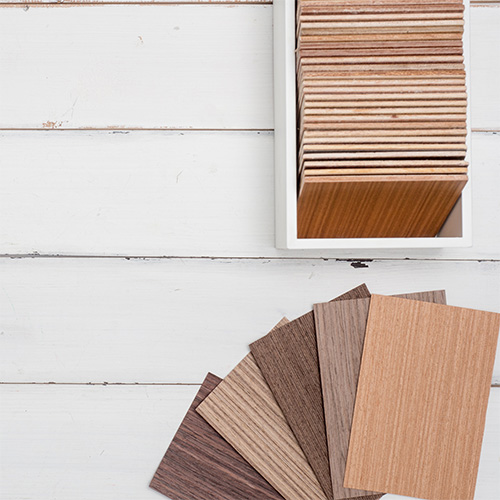
Plywood thickness refers to the measured depth of a plywood sheet, and it plays a defining role in how the material performs under different loads and structural demands.
Manufacturers produce plywood in a variety of standard thicknesses to suit diverse construction, cabinetry, furniture, and DIY needs.
Why plywood thicknesses matter
Because understanding plywood thickness goes beyond knowing the number printed on the label,it is essential for selecting a panel that offers the right balance of strength, flexibility, and surface finish for the job.
Nominal vs. Actual Thickness
Nominal thickness is the labeled size of plywood, such as “3/4 inch,” but actual thickness is usually a bit less after manufacturing. For example, a nominal 3/4-inch sheet often measures 23/32 inch.
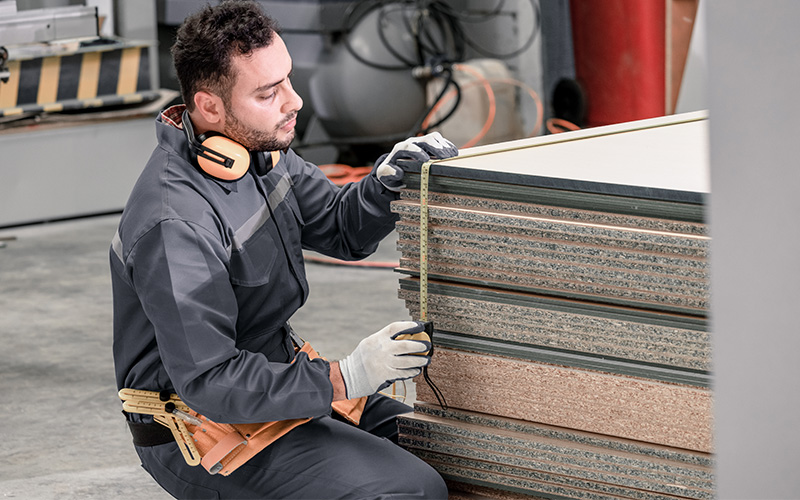
Always check actual thickness with a caliper or the manufacturer’s label, especially when fitting panels tightly together. This helps ensure accurate alignment in cabinetry and flooring projects.
Common Plywood Thicknesses In Inches and mm
1/8 inch Plywood (3 mm)
Uses: Ideal for crafts, decorative panels, cabinet backs, drawer liners, and curved applications when laminated.
Pros: Extremely lightweight, flexible, and easy to cut or shape.
Cons: Offers minimal structural strength and not suitable for load-bearing uses.
1/4 inch Plywood (6 mm)
Uses: Commonly used for drawer bottoms, cabinet backs, small lightweight furniture components, wall paneling, and hobby projects.
Pros: Light, relatively strong for its thickness, and easy to work with.
Cons: Not appropriate for applications requiring significant strength or rigidity.
3/8 inch Plywood (9 mm)
Uses: Interior paneling, light wall sheathing, furniture sides, and components that do not need heavy load support.
Pros: A good balance of strength and lightweight design; more rigid than 1/4 inch.
Cons: Still too thin for heavy-duty structural builds or flooring.
1/2 inch Plywood (12 mm)
Uses: General furniture construction, cabinetry, roof and wall sheathing, and interior partitions.
Pros: Strong, stable, and widely available; suitable for many building applications.
Cons: May flex under heavy loads without additional support.
5/8 inch Plywood (16 mm)
Uses: Subflooring, roof decking, and underlayment where minimal deflection and increased rigidity are needed.
Pros: Strong and reliable, handles frequent stress and weight effectively.
Cons: Heavier and more expensive than thinner sheets.
3/4 inch Plywood (19 mm)
Uses: Heavy-duty shelving, structural cabinetry, stair framing, furniture bases, and flooring underlayment.
Pros: Excellent load-bearing strength, stability, and long-term durability.
Cons: Heavier to handle and can be costlier than thinner panels.
Step-by-Step Guide to Choosing Plywood Thickness
Step1:Determine Project Requirements
Identify where the plywood will go, what loads it must support, and if it will be visible. For example, subfloors, wall sheathing, and cabinet backs each need different thicknesses.
Review design plans or manufacturer recommendations before buying. Consistent choices support strength and appearance.
- Purpose: decorative, structural, or finishing
- Environment: indoor or outdoor exposure
- Precision: fit with other components and hardware
Step2:Evaluate Load Requirements
Determine how much weight the plywood must support. Thicker sheets handle heavier loads without bending.
Builders use span tables or building codes to choose the right thickness. Heavier loads and wider spans need thicker plywood.
| Application | Ideal Thickness | Notes |
| Shelving or counters | 3/4 in | Handles moderate to heavy loads |
| Subflooring | 5/8–3/4 in | Reduces deflection between joists |
| Roof sheathing | 1/2–5/8 in | Balances strength and weight |
Step3:Consider Plywood Grades
Plywood grades range from A (smooth, few flaws) to D (rough, visible knots). Each side can have a different grade, which is helpful if only one face shows.
Choose A-grade plywood for visible work like cabinets. Use C- or D-grade plywood for hidden structural layers to save money.
Here are some tips for choosing the appropriate plywood sheet dimensions based on your needs:
- For Furniture and Cabinetry:Uses 1/4-inch plywood for backs, 1/2-inch for drawer bottoms, and 3/4-inch for shelves and frames.Birch plywood is preferred for its smooth finish and strength.
- For Flooring and Subfloors:Typically uses 5/8-inch or 3/4-inch panels over 16-inch joist spacing.Thicker panels improve stiffness and prevent flexing.
- For DIY and Decorative Projects:Thin sheets from 1/8-inch to 1/4-inch make crafting easier.Birch and hardwood veneers finish well and suit small shelves or displays.
- For Wall and Roof Sheathing:1/2-inch plywood is common for walls, while roofs often use 1/2-inch to 5/8-inch panels for strength and weather resistance.
Key Factors in Choosing Plywood Thickness
Here are the Key Factors for Choosing Plywood:
- Load-Bearing and Span Requirements
- Material Types and Grades
- Moisture and Waterproof Performance
- Appearance and Budget
Load-Bearing and Span Requirements
Thicker plywood supports more weight and resists bending, making it suitable for floors and roofing.Joist or rafter spacing (often 16–24 inches on center) affects the required thickness.3/4-inch or 23/32-inch sheets provide stronger support, while 1/4–1/2-inch panels suit light-duty uses.
Material Types and Grades
Material type refers to wood species and adhesives, while grade reflects surface quality and defects.Hardwood plywood is strong and good for cabinets and furniture; softwood plywood like CDX suits sheathing and floors.Grades run from A (smooth and clean) to D (visible knots and patches), affecting both appearance and cost.
Moisture and Waterproof Performance
Moisture resistance determines how well plywood holds its shape in wet or humid conditions.Marine, BWP, and waterproof plywood withstand moisture for areas like docks, bathrooms, or kitchens.Proper sealing adds protection, especially where dampness is frequent.
Appearance and Budget
Higher-grade veneered plywood gives a smooth finish for visible projects like cabinets and built-ins.Lower grades are cheaper and suitable for hidden construction areas.Thicker and higher-grade panels cost more but provide better durability and results.
Frequently Asked Questions
How to determine plywood size?
Plywood size is the length and width of each sheet, usually 4×8 feet (1220×2440 mm). Some sheets come in 2×4 feet, 5×5 feet, or custom sizes.
Measure the installation area and allow a margin for trimming. Large projects need full-size sheets, while small repairs use cut sections.
Marking dimensions before cutting prevents waste and gives a cleaner finish. Check both nominal and actual sizes, as they can differ slightly.
What thickness of plywood do I need?
Plywood thickness affects how strong or flexible a sheet is. Common thicknesses are 1/4 inch (6 mm), 1/2 inch (12 mm), and 3/4 inch (19 mm).
Use thicker sheets for heavy loads or structural projects. Choose thinner sheets for lighter or decorative work.
For cabinets and furniture, builders often pick 1/2 to 3/4 inch plywood. Subfloors and shelving need thicker sheets, around 5/8 to 3/4 inch, for better support.
Decorative panels and drawer bottoms usually use 1/4 inch material. Match the thickness to the expected weight and span distance between supports.
Check local building codes or manufacturer guidelines to make sure you choose the right thickness for safety.
Learn More About Our Products?
Contact Now