How to Stain Plywood for a Perfect, Professional Wood Finish
To stain plywood for a perfect, professional wood finish, start by sanding the surface smooth, applying a pre-stain conditioner, and using the right type of stain for the project. This process enhances the natural grain, adds depth of color, and protects the wood from wear. Whether the goal is to upgrade furniture, cabinetry, or wall panels, proper staining turns basic plywood into a durable and attractive surface that looks like solid hardwood.
With years of experience in woodworking and finishing, experts agree that preparation and product choice determine the final result. This guide explains why staining plywood is worthwhile, what materials work best, and how to prepare the surface for even absorption. It also covers how to apply both wood conditioner and stain for professional-looking results that last.
By following these steps, anyone can achieve a smooth, consistent color and a finish that resists fading or blotching. The article also offers practical tips for maintaining stained plywood, avoiding common mistakes, and selecting products that match specific project needs.

Why Stain Plywood? Unlocking the Benefits
The benefits of staining plywood are as follows.
1.Enhancing the Color and Grain Visibility
Staining makes plywood look richer and more attractive by bringing out the natural wood grain and improving overall color consistency.
2.Protecting the Plywood
Staining and sealing add a protective layer that helps plywood resist moisture, dirt, scratches, and other damage from daily use.
3.Improving the Wood’s Durability
The stain-and-topcoat combination strengthens the plywood’s surface, helping it withstand wear, splintering, and long-term handling.
4.Adds Character
Staining gives plywood warmth and style, enhancing its grain patterns and making it look more like high-quality solid wood.
What You’ll Need: Materials for Staining Plywood
Proper tools and materials make staining plywood easier and help achieve a smooth, even finish. Each item plays a role in preparing the surface, applying the stain, and protecting the final look from wear or moisture.
1.Wood Stain
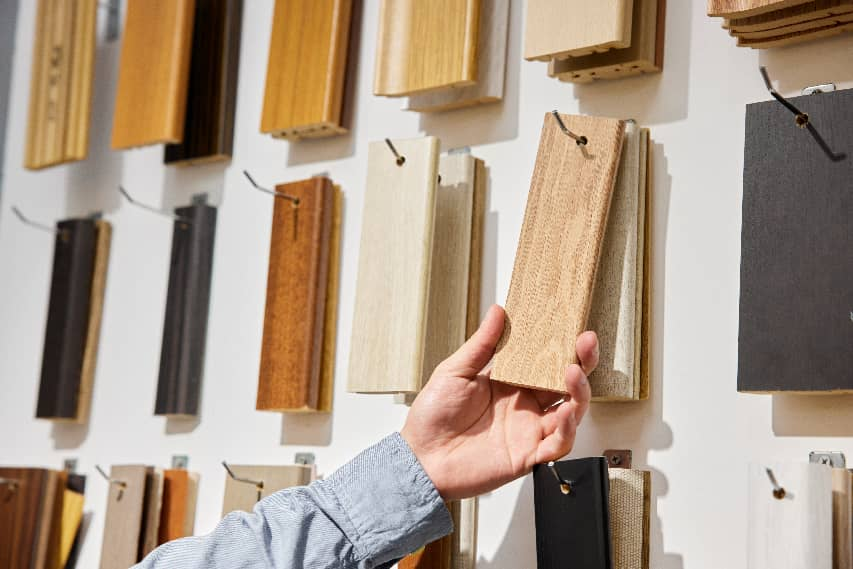
Wood stain adds color, enhances the wood grain, and comes in different types that allow you to control how rich or subtle the final finish looks.
2.Sandpaper
Sandpaper smooths the plywood surface and opens the wood pores, helping the stain absorb evenly and preventing blotchy areas.
3.Paintbrush or Rag
A paintbrush or rag spreads the stain across the plywood and controls color intensity by allowing you to apply or wipe off excess stain.
4.Drop Cloth or Plastic Sheeting
Drop cloths or plastic sheeting protect your workspace from drips and spills, keeping the area clean and safe while staining.
5.Painter’s Tape (Optional)
Painter’s tape creates clean edges and shields areas that shouldn’t be stained, helping achieve neat, professional-looking lines.
6.Wood Conditioner (Optional)
Wood conditioner helps plywood absorb stain more evenly, reducing blotches and improving overall color consistency.
7.Gloves and Protective Eyewear
Gloves and protective eyewear prevent skin and eye irritation from stain chemicals, keeping you safe while working.
8.Respirator Mask
A respirator mask protects you from fumes and sanding dust, ensuring safer breathing in enclosed or poorly ventilated spaces.
9.Clean Rags
Clean rags are used for wiping stain, removing dust, and controlling color depth, helping produce a smooth and even finish.
10.Sealer or Finish
A sealer or finish protects stained plywood from moisture and wear while enhancing the final color and sheen of the surface.

Preparing the Plywood: The Crucial First Step
Proper preparation determines how evenly the stain absorbs and how smooth the final finish appears. It involves choosing quality plywood, creating a clean surface through sanding, and repairing any visible flaws before applying stain.
1.Selecting the Right Plywood
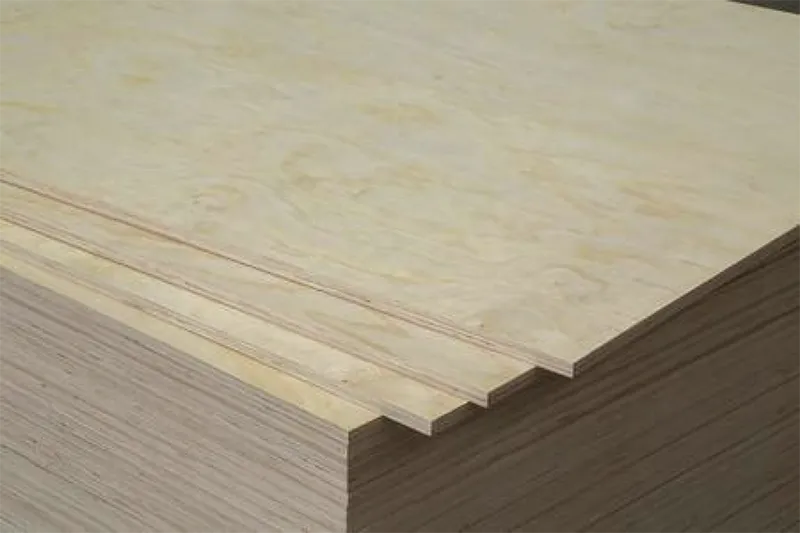
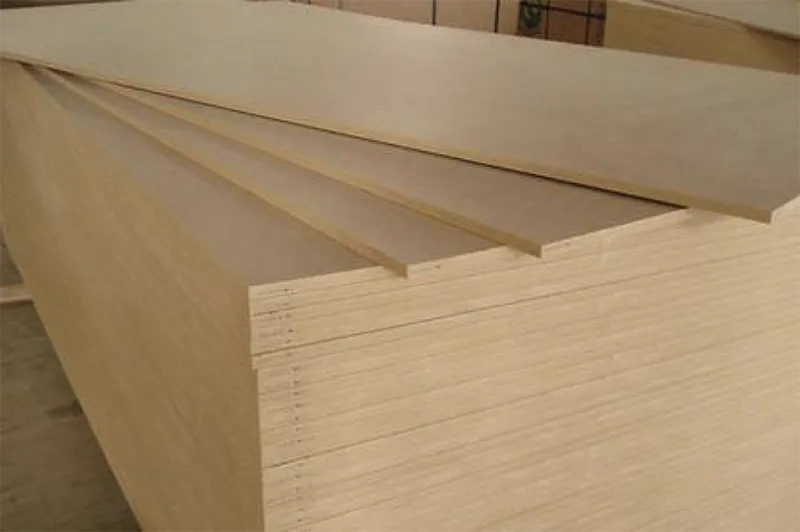
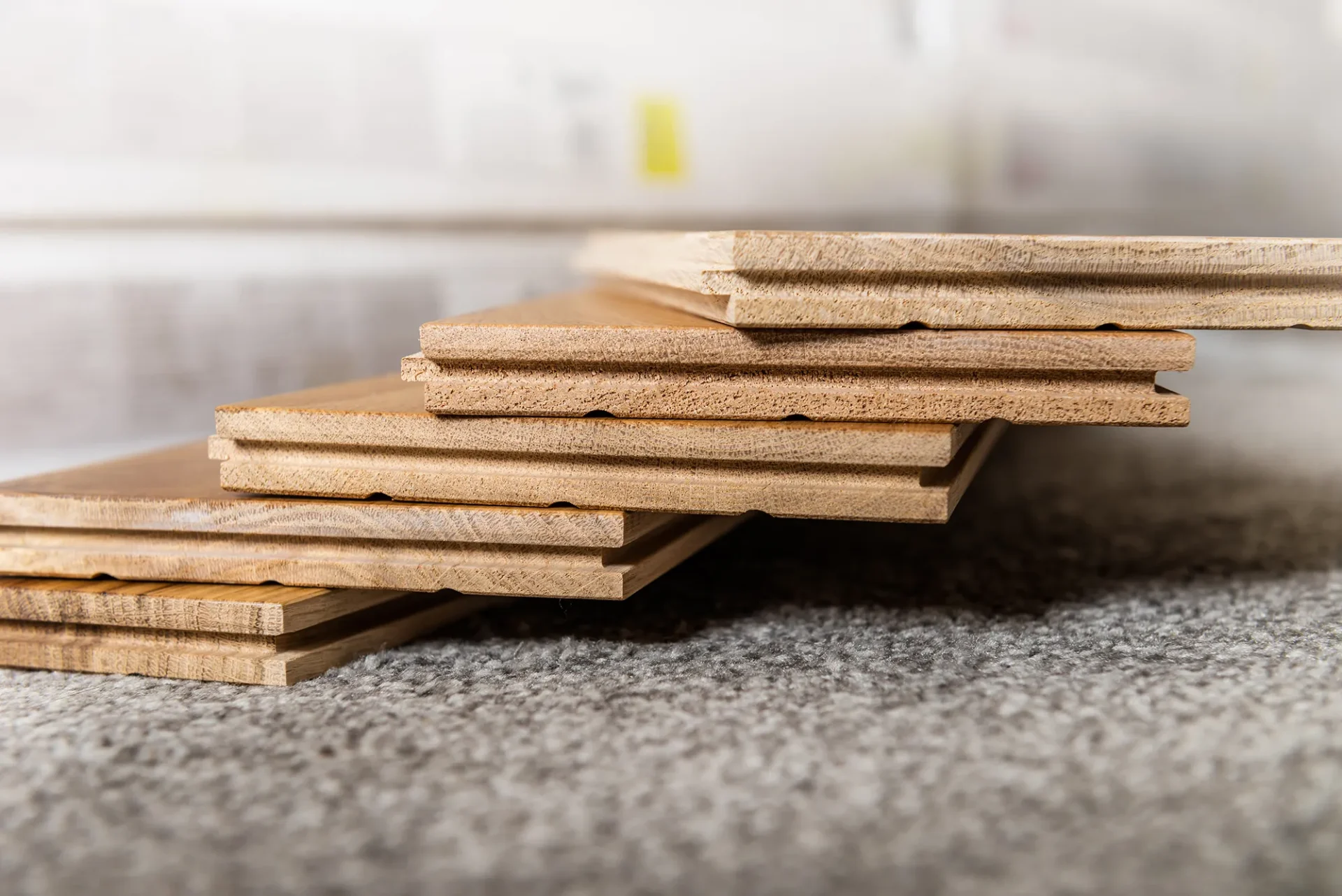
Choose high-grade plywood like birch or A-grade panels to ensure even stain absorption and fewer defects, and select sheets with thicker veneers to avoid sanding through and exposing the core.
2.Surface Sanding and Cleaning
Sand with progressively finer grits and remove all dust to ensure smooth, open pores that absorb stain evenly and highlight the grain without streaks or dull spots.
3.Filling Imperfections and Gaps
Fill dents and gaps with stainable wood filler, then sand smooth to prevent stain from pooling and to create a clean, uniform surface for a professional-looking finish.
Choosing and Applying Wood Conditioner
Proper conditioning helps plywood absorb stain evenly and prevents blotchy or uneven coloring. It prepares the surface so the stain penetrates at a consistent rate, improving both appearance and durability.
1.Why Use Pre-Stain Wood Conditioner
A pre-stain wood conditioner evens out stain absorption on plywood, preventing dark patches and streaks—especially with softwoods and oil-based stains—and helps achieve a smoother, more consistent color. Skipping it often results in blotchiness that is difficult to correct later.
2.How to Apply Wood Conditioner
Sand and clean the plywood, then apply a thin, even coat of conditioner along the grain, let it sit briefly, wipe off excess, and allow it to dry before staining. This ensures the conditioner absorbs properly and prepares the surface for even staining.
3.Alternatives to Wood Conditioner
You can dilute the stain, apply a light shellac or sanding-sealer washcoat, or lightly dampen the wood to reduce uneven absorption, but each method requires testing on scrap plywood first. These alternatives help control how deeply the stain penetrates when commercial conditioner isn’t available.
Selecting and Applying Stain for a Professional Finish
Achieving a professional finish on plywood depends on matching the right wood stain to the project, applying it with care, and correcting any uneven color that appears during the process. Each step affects how well the stain penetrates, how the grain looks, and how durable the final finish becomes.
1.How to Choose the Right Stain
Choose a stain based on plywood type, project needs, and desired color; oil-based stains enhance grain and offer durability, water-based stains dry quickly with low odor, and gel stains provide even coverage on porous surfaces. Always test the stain on a scrap piece before applying.
2.How to Apply the Stain
Sand and clean the plywood, stir the stain thoroughly, and apply thin, even coats with the grain using a brush or cloth. Wipe excess stain after a few minutes, apply additional coats for deeper color, and ensure good ventilation for smooth, safe drying.
3.How to Deal with Uneven Staining
Use a pre-stain conditioner to prevent blotchiness, and sand and re-stain any uneven areas if they appear. Spot-treat small light patches with a dab of stain, and maintain clean surfaces and proper wiping to achieve an even finish.

Tips and Tricks for Staining Plywood
They should test stain on scrap plywood to check color and absorption, use a pre-stain conditioner to prevent blotchiness, and lightly sand between coats for smoothness. Working in small sections with a wet edge and using a lint-free cloth or foam brush helps avoid lap marks, while proper ventilation ensures even curing. After the first coat dries fully, a second coat can be added for a deeper, more durable finish.
Maintenance Tips for Stained Plywood
Regular care keeps stained plywood looking fresh—wipe it weekly, clean gently with mild soap, and protect it from scratches with felt pads and coasters. Reapply a clear sealant every 1–2 years after light sanding, and check outdoor plywood seasonally for fading or peeling. With consistent maintenance, stained plywood stays durable and visually appealing for years.
Frequently Asked Questions
Different stains produce different looks and levels of protection on plywood. The right choice depends on the wood type, desired color depth, and how the finished piece will be used.
What is the best type of stain to use on plywood?
Oil-based stains penetrate deeply and bring out the wood grain, making them a strong choice for durability and rich color. They work well for furniture or surfaces that see frequent handling.
Water-based stains dry faster, have low odor, and are easier to clean up. They suit indoor projects where quick drying and minimal fumes matter.
Gel stains can help achieve even coverage on plywood, especially when the surface absorbs stain unevenly.
Can plywood be stained dark like hardwood?
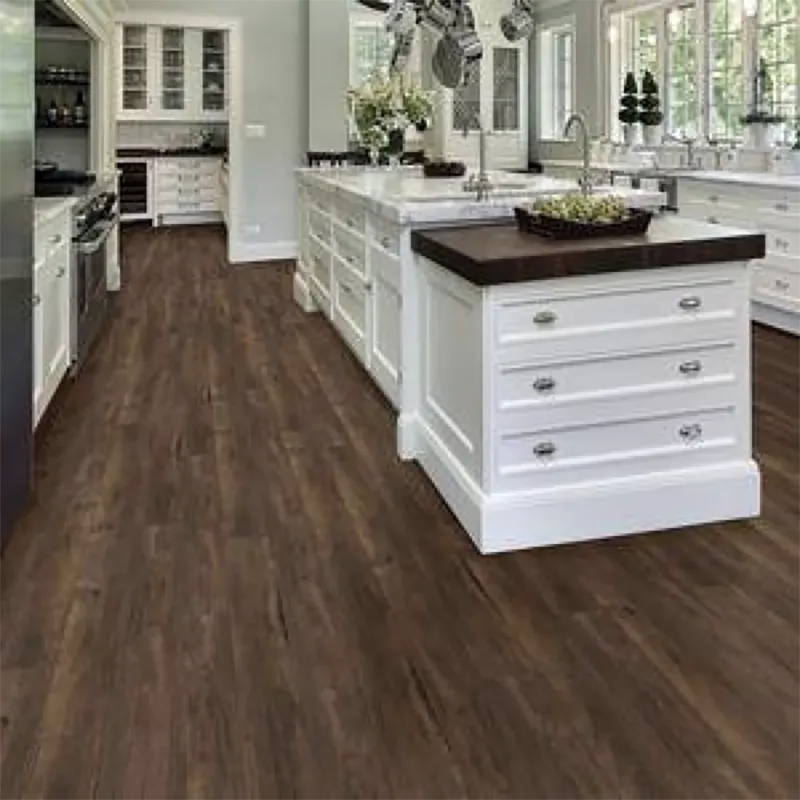
Yes, plywood can take on dark stains similar to hardwood when properly prepared. Sanding and using a pre-stain wood conditioner help the surface absorb stain evenly.
Applying multiple thin coats of dark stain builds depth and reduces blotchiness. Choosing higher-grade hardwood plywood, such as oak or birch, also improves color consistency and richness.
进一步了解我们的产品?
立即联系