
BCX Plywood: Grade Characteristics and Project Performance
What Is BCX Plywood?
BCX plywood is an exterior-rated softwood panel. It features a smooth B-grade face and a rougher C-grade back, bonded with moisture-resistant adhesive. One side looks good; the other handles structure.
- Meaning (What is BCX): The letters describe the panel. B means a sanded face with small, tight knots. C marks a back with visible knots and patches. X stands for exterior or Exposure 1 glue. So, you know which side to show and that the glue can handle some moisture.
- Construction: Manufacturers bond thin wood veneers with the grain alternating direction, using phenolic exterior adhesive. This cross-laminated design helps the sheet resist warping. You get flatter panels after install—usually a relief.
- Material: Most BCX plywood uses softwoods like Douglas fir or Southern yellow pine. These woods keep the panel light but sturdy. Carrying and cutting is less of a chore.
- Surface Use: The B-face is for paint or finish; the C-back stays hidden. Sanded faces take primer evenly, so prep is easier than with rough sheathing.
- Moisture Rating: The exterior glue stands up to occasional rain or humidity but not constant soaking. It’s fine for sheds, soffits, and covered spots—not for planters or boats.
- Cost Position: BCX costs less than ACX since only one face is sanded, but more than CDX. This makes BCX a go-to when you need one decent-looking side.
Decoding the “BCX” Stamp: Grade Meaning
The BCX stamp comes from the plywood grading system. Each letter signals how the sheet looks and how it handles moisture. Read the stamp left to right, starting with the visible face.
“B” marks the front. This B‑grade veneer is sanded smooth, with only small knots or round wood plugs. No big holes here. You get a flat surface that’s ready for primer and paint, no major patching needed.
“C” means the back face. This side allows visible knots, splits, and color shifts, and it’s usually unsanded. The back is for structure, not looks, so it’s best hidden against framing.
“X” stands for the adhesive, not the wood. It means exterior‑rated glue, often called Exposure 1. The glue shrugs off moisture, but the wood itself can still swell or rot if left wet.
Pick BCX when you want one clean side and need to handle short-term moisture during use or installation.
Technical Specifications & Performance
BCX plywood uses softwood veneers, cross-laminated construction, and exterior-rated adhesive. These factors shape how the panel performs under load, deals with moisture, and fits standard layouts.
Core Materials & Construction
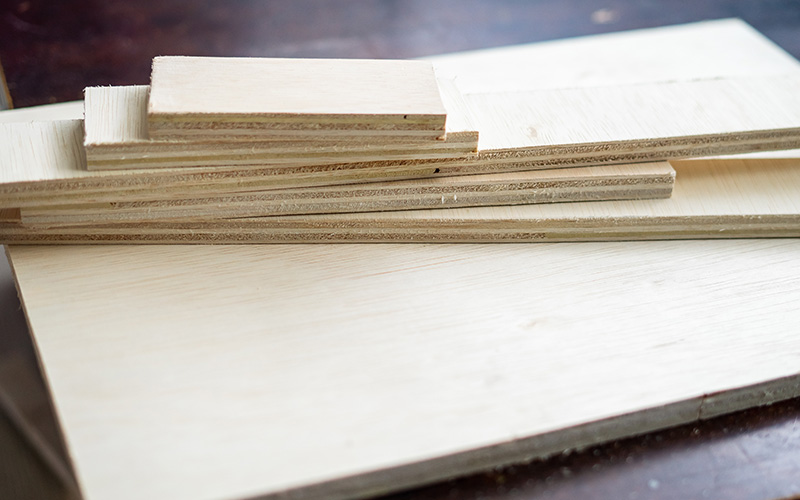
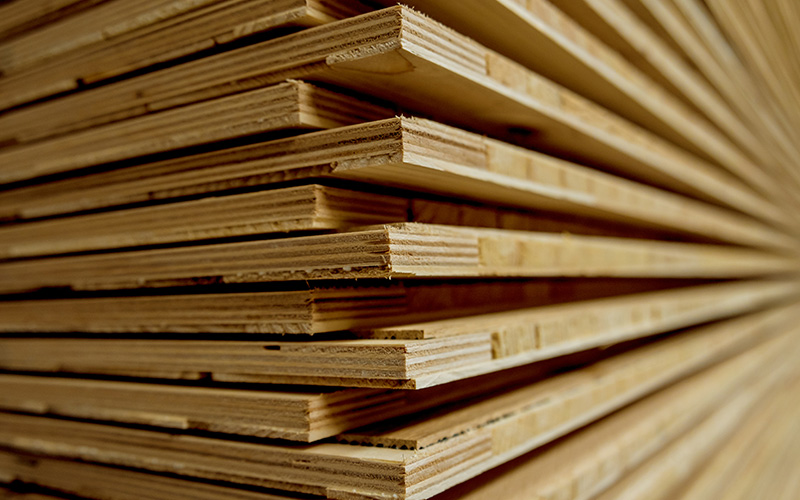
BCX plywood is a softwood plywood made from species like Southern Yellow Pine or Douglas Fir. Mills peel logs into thin veneers, dry them, and stack them so the grain alternates at right angles. This cross-laminated setup limits expansion and helps prevent warping and splitting.
Manufacturers bond the layers with a phenolic adhesive rated for exterior exposure. The glue holds up to moisture and heat, curing into a rigid, water-resistant bond. The layers stay attached through rain and humidity, even if the surface gets wet.
The face veneer meets B-grade standards, with tight knots and repairs, while the back is C-grade. Inner plies may have larger voids, which can affect edge quality and where you put fasteners.
Standard Dimensions & Thickness
Most stores stock BCX plywood in 4 ft × 8 ft sheets, though smaller cuts are sometimes available. Thickness options line up with standard framing, making layout and code a little easier.
Because the plies alternate direction, load capacity depends on thickness and span, not just the wood. So, pick thickness based on joist spacing, not just how it looks.
Moisture Resistance Limitations
The “X” rating is about the glue, not the wood. The phenolic adhesive holds when wet, but wood fibers still soak up water. If moisture gets into unsealed edges or faces, the panel can swell and the grain may lift.
Wet-dry cycles put stress between plies. Over time, this can cause surface checking or edge delamination, even if the glue itself stays intact. BCX works best where exposure is occasional, not constant.
Seal cut edges and coat exposed faces to limit damage. Paint, primer, or clear sealers help slow down moisture entry and keep the panel in shape.
BCX vs. Other Plywood Grades (Comparison Matrix)
Plywood grades differ in face quality, glue type, and exposure rating. The letters tell you how the panel looks and where it fits. Here’s how BCX, CDX plywood, ACX plywood, and pressure-treated panels stack up:
| Grau | Face / Back | Glue Rating | Typical Use | What It Means for You |
| BCX | B / C | Exterior (Exposure 1) | Painted projects, trim, shelving | Sanded B-face takes paint well, with fewer knots. Exterior glue means short-term wetting won’t cause delamination. |
| CDX | C / D | Exterior | Wall and roof sheathing | Rough faces hide fasteners and knots. It’s meant to be covered, so looks aren’t a concern. |
| ACX | A / C | Exterior | Stained work, visible panels | A-face is free of knots and patches. Stain goes on evenly without much filler. |
| Pressure-Treated | Varies | Exterior | Ground contact, decks | Chemical treatment fights rot and insects. You can put it right on soil. |
When comparing BCX vs ACX, face grade is the big difference. ACX has an A-face for stain-ready surfaces. BCX uses a B-face, which works for paint and keeps the price down.
Comparing BCX vs CDX, it’s about visibility. CDX is fine for hidden structure since its D-back allows open knots. BCX is better for exposed work since the B-face is smoother.
Standard BCX isn’t pressure treated. Don’t use it for ground contact unless it’s stamped as treated.
Common Applications for BCX Plywood
BCX plywood comes in handy when you want one smooth side and exterior-rated glue. The B-grade face sands smooth, and the Exposure 1 or Exterior glue resists short-term moisture. With proper sealing, it handles humidity and brief wetting.
Sheds and outdoor structures
BCX works well as shed plywood for wall and roof panels under siding or shingles. The exterior glue helps prevent ply separation during rain, and sealing the edges slows water entry. You’ll see fewer swollen edges and flatter panels over time.
Floors, walls, and utility framing
Builders often use BCX for subfloors, underlayment, and wall sheathing. Cross-laminated plies add stiffness, so floors feel firmer and walls stay straighter when installed to code.
Garages, shops, and storage
BCX makes solid garage shelving, workbenches, and cabinet backs. The sanded face takes primer and paint evenly, so you spend less time on prep. The rough C-back can face the wall.
Soffits and porch ceilings
The smooth face paints up nicely for overhead jobs. Once primed and painted, the exterior glue helps with seasonal moisture changes.
Temporary concrete forms
BCX works for simple concrete forms. The smooth face leaves a better finish, and the panel holds fasteners for small pours.
Working With BCX: Practical Tips
BCX plywood performs best when you respect the face grades, plan your finish, and protect the edges. Orientation, surface prep, and sealing make a big difference in appearance and moisture resistance.
Installation: Which Side Out?
Install BCX with the B face outward or visible. This side is sanded and has fewer patches, so you’ll need less prep and fewer coats for a smooth finish.
Put the C face against framing or subfloors where nobody will see it. The exterior-rated adhesive, marked by the “X” grade, holds up to normal weather exposure. This lets you use BCX in garages, sheds, and covered exterior walls without glue failure.
Space fasteners evenly and keep away from the edges. That helps avoid veneer splits and keeps the face looking flat after install.
Finishing & Painting
BCX takes paint pretty well on the B face, but prep makes all the difference. Sand it with 120–150 grit to smooth out factory marks and any patched spots.
This step matters. If you leave filled knot repairs uneven, they’ll show through the paint later.
Start with a high-quality exterior primer. The primer seals both the veneer and the wood plugs at the same rate.
That way, the painted surface dries evenly and patch outlines stay hidden as time goes on.
Pick a paint meant for wood siding or trim. Two coats is the minimum, and letting each dry fully helps you avoid soft spots or tackiness.
Sealing Edges for Outdoor Use
Always seal all cut edges before putting plywood outdoors. The edges expose end grain, which soaks up water way faster than the face.
Moisture sneaks in from unsealed edges and causes swelling. Honestly, that’s the most common way plywood fails outside.
Try an oil-based primer, epoxy sealer, or exterior wood sealer. Two coats, letting each dry, really slows down water absorption and keeps the plies stable through wet and dry spells.
Face paint alone won’t cut it. Seal those edges first, then finish the faces for real protection.
Frequently Asked Questions
What distinguishes BCX plywood from CDX in terms of usage and durability?
BCX plywood uses a B-grade face and C-grade back. CDX has C- and D-grade faces instead.
The B face on BCX gets sanded and allows only limited knots, so it’s better for painted or visible surfaces. Both use exterior-rated adhesive, but BCX usually goes where one side will show. For example, shop walls or soffits. CDX fits best where the panel stays hidden, like wall or roof sheathing.
Can BCX plywood be considered suitable for exterior applications?
BCX uses Exposure 1 or exterior-rated glue that stands up to rain, humidity, and short-term wetting. This glue keeps plies together when exposed to the outdoors.
The veneers themselves aren’t waterproof, though. So BCX works outside only if you seal and protect it with paint or another finish. Don’t leave it in constant contact with water.
Are there any specific disadvantages to using BCX plywood in construction projects?
The C-grade back includes knots, patches, and visible repairs. If both sides of a panel will show, this back face can limit your finishing options.
BCX lacks pressure treatment and marine bonding, too. It’s just not made for ground contact, standing water, or long-term exposure unless you keep up with maintenance.
What are the core differences between BCX and RTD plywood?
BCX plywood uses a phenolic exterior adhesive that holds up well against moisture. RTD plywood, on the other hand, features a resin-treated surface layer that slows down moisture absorption during construction.
RTD panels mainly work for roof decking and can handle short-term weather exposure before the roofing goes on. BCX gives a smoother face, which helps if one side of the plywood will stay visible after installation.
Saber mais sobre os nossos produtos?
Contactar agora