
PU Stone Empowers Quality Space Upgrade: Diverse Values and Industry Evolution
Amid the wave of pursuing quality and personalization in the architectural decoration industry, PU Stone has always occupied an important position in high-end decorative materials by virtue of its natural and unique texture and multi-adaptable properties. As a representative category of natural stone, the value of PU Stone is not only reflected in the decorative aesthetic level, but also contains the in-depth logic of material characteristics, application scenarios and industry development. Its market performance and industry evolution trend profoundly reflect the consumption upgrading and industrial transformation direction in the field of architectural decoration.
The core competitiveness of PU Stone stems from its irreplicable natural properties, which is also the key advantage distinguishing it from artificial stone. The texture, color and texture of each piece of PU Stone are unique products of natural evolution, forming a unique aesthetic recognition that can endow the space with a natural and warm texture and a high-end and elegant style. The aesthetic value brought by this natural attribute makes it the preferred decorative material for high-end residences, commercial complexes, star hotels and other scenarios, which is in line with the current consumers’ pursuit of quality life and personalized space. At the same time, PU Stone has excellent physical properties, with moderate hardness, strong wear resistance, and high surface finish after fine processing, combining practicality and decoration. This balance between performance and aesthetics further broadens its application boundaries. Compared with other decorative materials, the natural scarcity of PU Stone also enhances its added value, making it an important symbol of space quality upgrading.
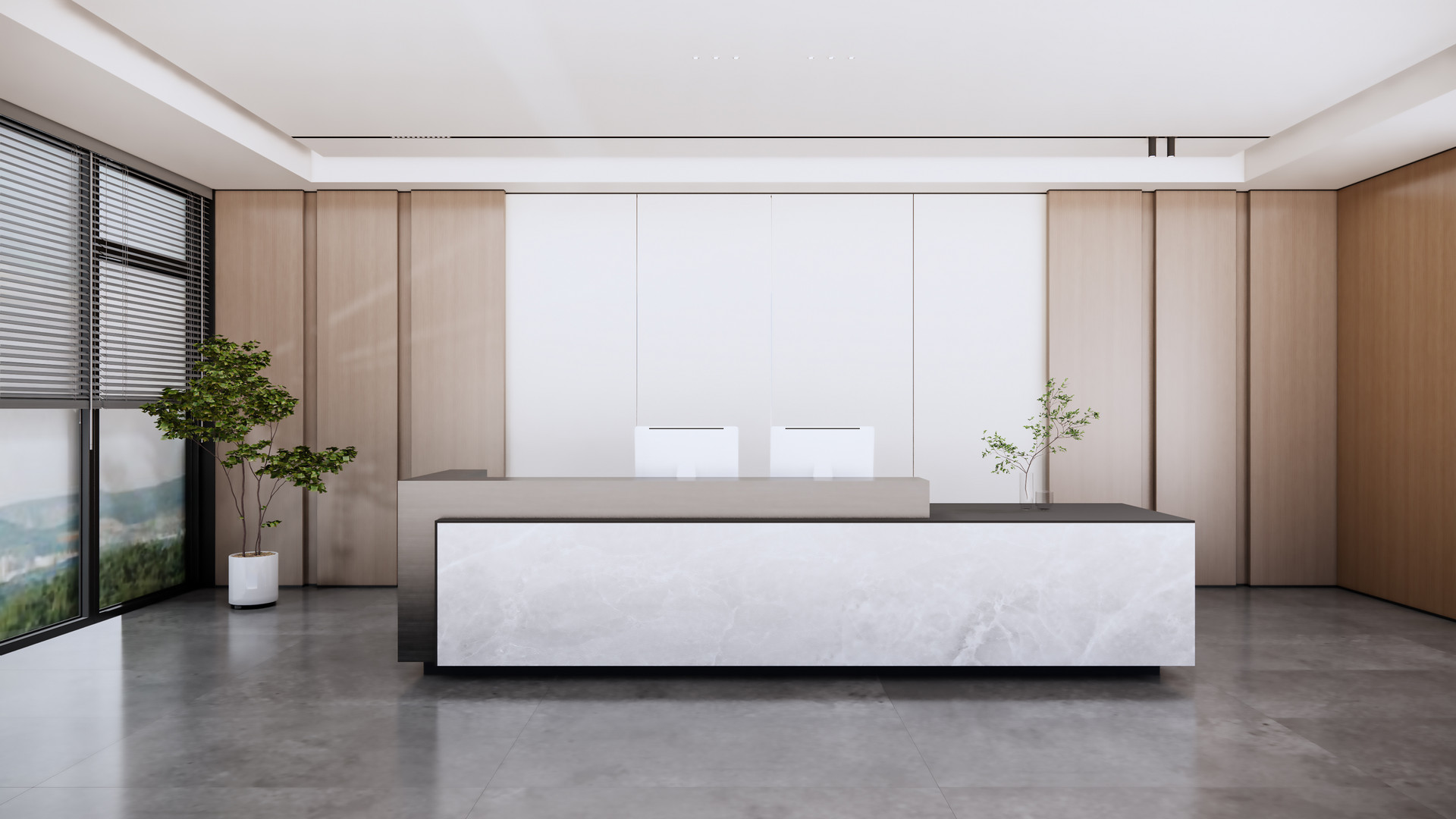
From the perspective of the expansion of application scenarios, the market demand for PU Stone is showing a trend of diversified diffusion, no longer limited to traditional floor and wall decoration. In the field of high-end residences, PU Stone is widely used in core areas such as living room floors, background walls and window sills, creating a living atmosphere that combines comfort and luxury through the matching of textures and colors; in commercial spaces, the lobbies of star hotels, public areas of high-end office buildings, and display surfaces of boutique shopping malls, etc., use the texture of PU Stone to improve the grade and recognition of the space and strengthen the high-end positioning of the brand image; in the field of cultural and public buildings, in the decoration of museums, art galleries and landmark buildings, the natural texture of PU Stone is consistent with the sense of cultural depth, making it an important carrier for inheriting regional culture and creating public aesthetic spaces. The diversified expansion of such application scenarios is essentially the result of the precise matching between the diverse values of PU Stone and different space needs, and also reflects the continuous improvement of the requirements for material personalization and scenario adaptability in the architectural decoration industry.
Currently, the development of the PU Stone industry is facing the dual drive of consumption upgrading and industrial transformation, showing a distinct evolution trend. In the product processing link, with the popularization of intelligent processing technology, the processing precision and efficiency of PU Stone have been significantly improved, which can realize more complex shapes and more refined surface treatment to meet the needs of personalized customization. At the same time, the in-depth advancement of the concept of green environmental protection has also prompted the industry to continuously optimize the mining, processing and transportation links to reduce the impact on the ecological environment. The problems of resource waste and ecological damage in the traditional PU Stone mining process are being gradually improved through the application of scientific mining planning and recycling technology, and green and sustainable development has become an industry consensus. At the product innovation level, enterprises have begun to focus on the composite application of PU Stone with other materials. By matching and combining with metals, glass, wood and other materials, the functional and aesthetic dimensions of products are expanded to meet more diversified design needs. This cross-border integration innovation idea has injected new development vitality into the PU Stone industry.
Despite the broad market prospects, the PU Stone industry still faces many challenges and constraints. The scarcity of natural PU Stone resources determines that its mining cost is relatively high. At the same time, affected by geographical distribution, some high-quality PU Stone resources are concentrated in specific areas, and transportation costs and supply chain stability have become potential risks for industry development. In addition, the rapid development of artificial stone in the market has also formed a certain competitive pressure on PU Stone. Relying on the advantages of low cost and standardized production, artificial stone has occupied a certain share in the mid-to-low-end market, diverting part of the price-sensitive demand. The imperfection of industry standards has also led to uneven quality of PU Stone products in the market, and some low-quality products are shoddy, which affects consumers’ trust in PU Stone and thus restricts the healthy development of the industry. At the same time, consumers’ insufficient understanding of PU Stone maintenance knowledge also affects their use experience and market promotion to a certain extent.
As a core category of natural decorative materials, the future development of PU Stone not only relies on the natural advantages of the material itself, but also depends on the industry’s accurate grasp of market demand and the continuous advancement of industrial transformation. In the wave of quality upgrading and green development, it is expected to continuously empower the creation of more quality spaces and realize the sustainable evolution of the industry.