
The Rise of China’s Eco Friendly Materials Inject New Vitality into Green Transformation
Current Status of Industrial Development
China’s eco friendly materials industry is in a stage of rapid growth, with its overall scale expanding continuously and product types becoming increasingly diverse, having become an important basic industry supporting green development. Relying on resource endowments and technological accumulation, domestic eco friendly materials have gradually formed a complete industrial chain in raw material supply, production and processing, application and promotion, and other links. Mainstream categories such as bio based materials, degradable materials, recycled materials, and green building materials have achieved large-scale supply, with a steady increase in market penetration. Eco friendly materials are no longer a niche alternative, but have gradually entered many fields such as construction, packaging, home furnishing, transportation, and electronics, becoming an important force driving the low-carbon transformation of industries. With the upgrading of market awareness and consumption concepts, the demand side for eco friendly materials continues to expand, and the industrial development has entered a golden period of simultaneous growth in quantity and quality, with overall competitiveness and international influence increasing synchronously.
Core Material Categories and Characteristics
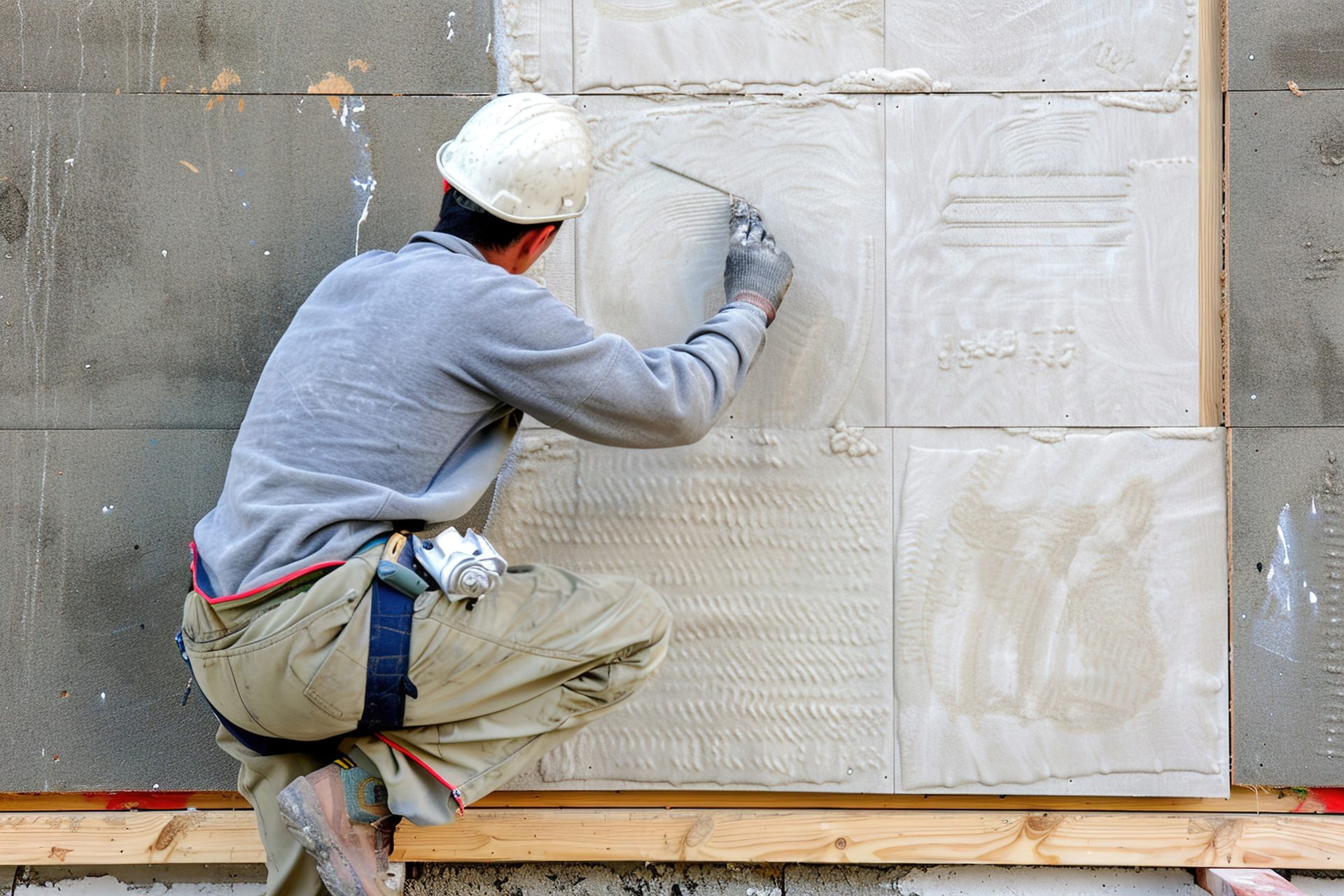
Eco friendly materials can be divided into several mainstream directions according to their sources and characteristics, each with distinct environmental advantages and application scenarios. Recycled materials are made by reprocessing waste plastics, waste metals, industrial solid waste, etc., realizing resource recycling and significantly reducing the pressure of primary resource consumption and waste accumulation. Green building materials focus on low emissions, energy conservation, heat insulation, noise reduction, and harmless health, reducing the release of harmful substances during production and use, and improving the green level of the entire life cycle of buildings. Functional eco friendly materials also have the characteristics of purification, antibacterial, humidity regulation, self-cleaning, etc., playing a unique role in improving environmental quality and quality of life, and providing safer and more efficient solutions for diversified scenarios.
Technological Innovation and Performance Improvement
Technological breakthrough is the key for eco friendly materials to move from “usable” to “good to use”. In recent years, China has made continuous progress in synthesis processes, modification technologies, recycling and other aspects. The heat resistance and mechanical strength of biodegradable materials have been continuously optimized, enabling them to adapt to more high-temperature, load-bearing and outdoor scenarios, no longer limited to simple packaging and disposable products. Through purification, modification and composite technologies, the quality stability of recycled materials has been greatly improved, and some products have performance close to that of primary materials, which can meet the strict standards of industrial manufacturing and consumer goods production. The application of nanotechnology, biosynthetic technology, and intelligent production equipment makes material production more efficient, less energy-consuming, and more consistent, while promoting the upgrading of eco friendly materials towards light weight, high strength, and long service life. Technological innovation has continuously broken the bottlenecks of cost and performance, enabling eco friendly materials to have stronger market competitiveness and laying a solid foundation for large-scale popularization.
Application Scenarios and Market Penetration
The application boundary of eco friendly materials continues to expand, extending from traditional packaging and building materials fields to high-end manufacturing and daily life, covering multiple links of production and consumption. In the packaging field, degradable lunch boxes, bio based plastic bags, pulp molding, bamboo fiber products have quickly replaced traditional plastics, becoming the mainstream choice in express delivery, takeout, supermarkets and other scenarios. In the construction field, low-volatile coatings, formaldehyde-free boards, energy-saving and thermal insulation boards, recycled aggregate concrete and other materials are widely used in residential and public buildings, improving indoor air quality and reducing building energy consumption. In the transportation and industrial fields, eco friendly composite materials help with lightweight design, reducing fuel consumption and carbon emissions, while improving product durability and safety. In the home furnishing and textile fields, the popularization of natural fibers, recycled fabrics, eco friendly adhesives and other products makes green and health a consumption standard, promoting the transformation of lifestyle towards low-carbon sustainability.
Industrial Challenges and Optimization Directions
At present, China’s eco friendly materials industry still faces some practical challenges, and factors such as cost, performance, and cognition affect the speed of further popularization. The production cost of some high-end eco friendly materials is relatively high, and the terminal price is higher than that of traditional materials, which restricts market acceptance. Some products still have room for improvement in weather resistance, stability, and processing adaptability, making it difficult to fully cover all complex scenarios. Differences in social cognition and standard implementation can also lead to an uneven market, affecting the overall image of the industry. Faced with these problems, the industry is continuously optimizing through technological cost reduction, large-scale production, industrial chain collaboration, standard unification and other methods, promoting more stable material performance, more sufficient supply, and more affordable prices, making eco friendly materials change from high-end options to popular products.
With the maturity of technology and market, eco friendly materials will be deeply integrated into all walks of life, becoming an important support for promoting green development, improving the ecological environment, and enhancing the quality of life, injecting lasting vitality into sustainable development.