

Analysis of the Current Situation and Adaptation Directions of Acoustic Wall Panel Exports
Painéis acústicos de parede respond to the rising demand for acoustic environment upgrades overseas. Noise issues in urban spaces have attracted growing attention, and demand for comfortable acoustic environments in various indoor spaces keeps rising. As acoustic decorative materials, Acoustic Wall Panels have seen steady growth in demand within the overseas building materials market. With porous, perforated or slotted structures, Acoustic Wall Panels reduce echo and adjust reverberation time, combining noise reduction performance and decorative features. There is a wide range of Acoustic Wall Panels, including polyester fiber, wood wool, perforated wooden and fabric-wrapped types. These Acoustic Wall Panels can fit the preferences of different regional markets. The export trade of Acoustic Wall Panels also gains more market opportunities alongside the growth of commercial renovation and existing space retrofitting projects overseas.
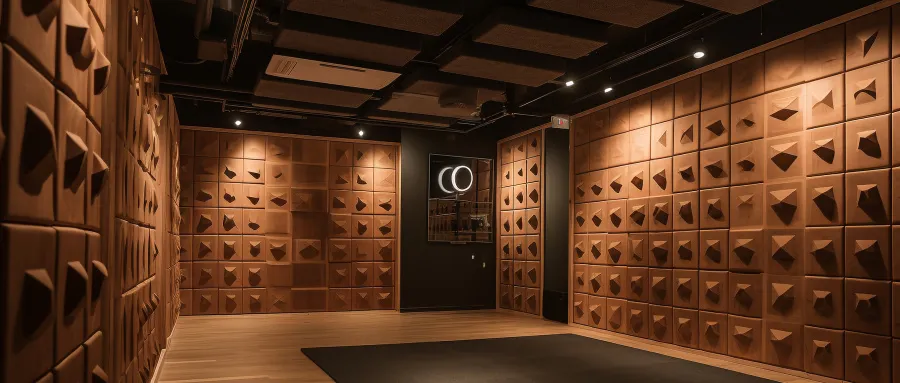
Painéis acústicos de parede are suitable for commercial and public building spaces overseas. Hard surfaces are widely used in overseas offices, lecture halls, hotel lobbies and other public areas, which tend to cause heavy reverberation. Acoustic Wall Panels are frequently applied on walls and ceilings for acoustic renovation. Acoustic Wall Panels help improve speech intelligibility and reduce noise interference, suiting open-plan offices and meeting scenarios. For such projects, buyers of Acoustic Wall Panels pay attention to surface finishes and modular installation methods for convenient on-site construction. The specification plans for Acoustic Wall Panels are usually adjusted according to space dimensions and reverberation targets, and different projects may set different requirements for the noise reduction coefficient of Acoustic Wall Panels.
Acoustic Wall Panels meet the needs of educational, cultural, audio and video specialized scenarios. Classrooms, recording studios and home theater spaces have relatively strict acoustic requirements, and the application of Painéis acústicos de parede in these niche scenarios continues to expand. Acoustic Wall Panels weaken sound wave reflection and reduce background noise, creating relatively stable acoustic conditions for teaching and audio recording. When selecting Acoustic Wall Panels, buyers tend to compare sound absorption performance across different frequency bands. Multiple types of Acoustic Wall Panels may be used in combination for some scenarios. The moisture resistance and dust-proof performance of Acoustic Wall Panels are also taken into evaluation to adapt to humid spaces or areas requiring regular cleaning.
Acoustic Wall Panels involve compliance and testing indicators for export. Building material products face differentiated testing requirements across regions, and exported Acoustic Wall Panels need to meet local prevailing standards for fire resistance, environmental protection and acoustic performance. Acoustic test reports and fire classification documents of Painéis acústicos de parede are commonly checked by overseas buyers. Inadequate supporting documents may bring extra obstacles to circulation. The material, surface finish and thickness of Acoustic Wall Panels can influence test results. Acoustic Wall Panels made of the same base material with different processes may show varied performance. Before export, samples of Acoustic Wall Panels can be tested and relevant documents prepared in advance according to prevailing standards of target markets.
Acoustic Wall Panels create differentiated market space with sustainable features. Overseas markets show increasing interest in low-VOC and recyclable building materials, and environmental performance can serve as a competitive advantage for Acoustic Wall Panel exports. Painéis acústicos de parede made from recycled fiber or natural wood fiber are more likely to match green procurement preferences of certain buyers. The finishing process and adhesive used for Acoustic Wall Panels are related to environmental indicators, which are key comparison points for buyers. During communication, suppliers of Acoustic Wall Panels may introduce raw material composition and recyclability to align with material selection principles of green building projects.