
Pavimentos desportivos com dupla garantia de adaptação do material e melhoria da funcionalidade
Madeira maciça: a escolha ideal para espaços profissionais, combinando desempenho e experiência
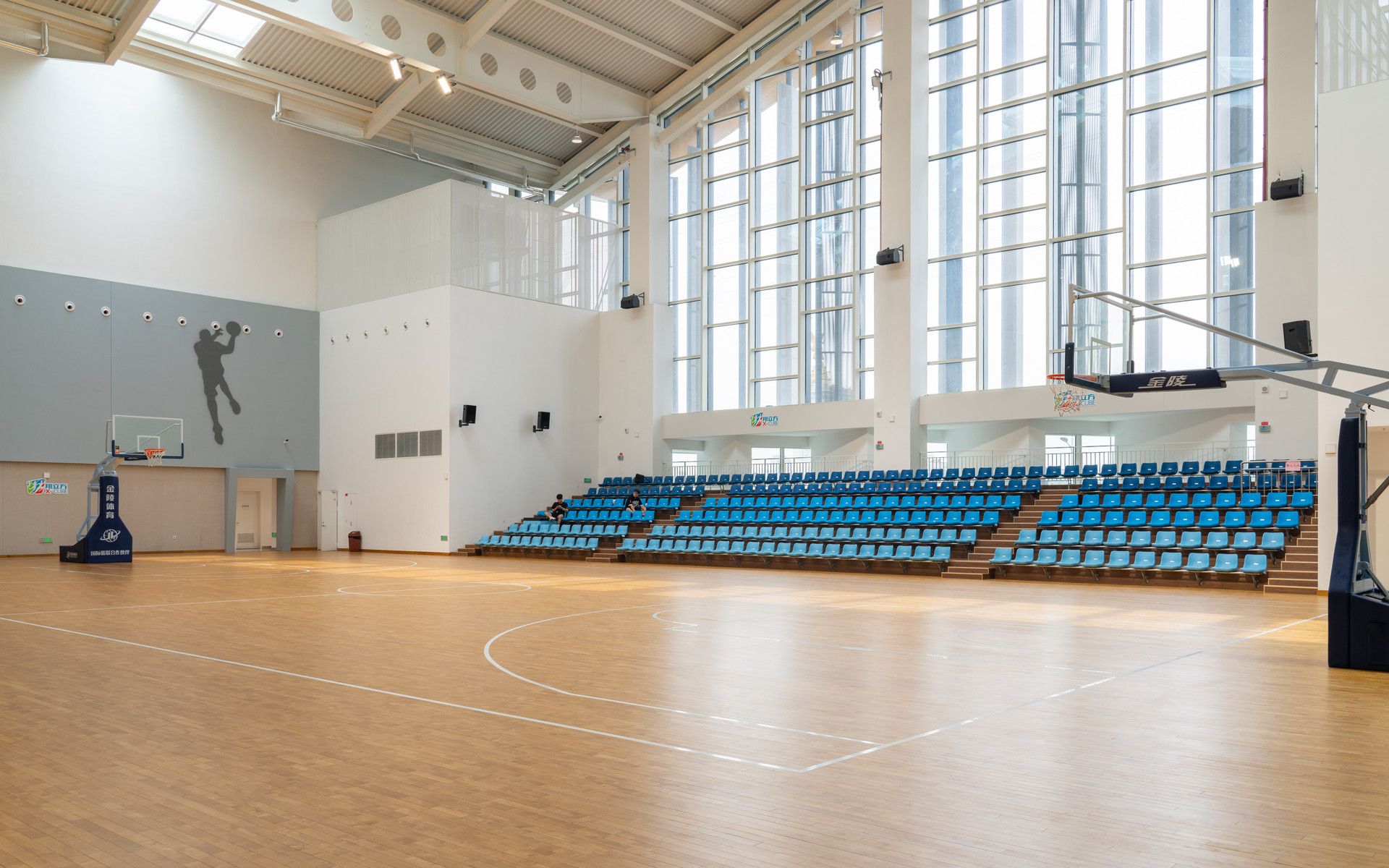
Nos recintos de competição profissional de desportos altamente competitivos, como o basquetebol e o voleibol, os pavimentos desportivos em madeira maciça continuam a ser a escolha predominante. A sua principal vantagem decorre da elevada compatibilidade entre as propriedades físicas da madeira natural e as necessidades desportivas. Os pavimentos desportivos de madeira maciça de alta qualidade utilizam principalmente espécies de madeira de folhosas, com uma densidade controlada entre 0,65 e 0,85 g/cm³, o que não só garante dureza suficiente para resistir ao atrito e ao impacto dos calçados desportivos, como também proporciona uma elasticidade moderada para reduzir as lesões articulares dos atletas. Do ponto de vista do projeto estrutural, a estrutura composta de madeira maciça em várias camadas estabiliza o teor de humidade entre 8% e 12% através da junção entrecruzada das camadas de madeira, resolvendo eficazmente o problema da deformação da madeira maciça pura devido às variações de temperatura e humidade.Isto permite que o pavimento desportivo mantenha a planicidade tanto no inverno seco das regiões do norte como no verão húmido das regiões do sul. Além disso, a superfície da madeira maciça é tratada com um revestimento mate resistente ao desgaste, e o coeficiente de atrito é mantido na faixa ideal de 0,4-0,6, o que não só evita que os atletas escorreguem durante paragens bruscas, como também não aumenta a resistência ao exercício devido a atrito excessivo. Este equilíbrio de desempenho é exatamente o requisito fundamental das competições profissionais para pavimentos desportivos.
Material: uma opção económica para instalações desportivas públicas, que concilia praticabilidade e durabilidade
Em espaços desportivos públicos, como ginásios e recintos escolares, os pavimentos desportivos em PVC ocupam uma posição importante devido à sua excelente relação custo-benefício e adaptabilidade, sendo que as propriedades do material determinam o seu amplo valor de aplicação. Os pavimentos desportivos em PVC formam uma camada resistente ao desgaste com 3-5 mm de espessura, graças à proporção científica entre a resina de cloreto de polivinilo e os plastificantes, com um índice de resistência ao desgaste superior a 4000 rotações, o que é suficiente para suportar o rolamento prolongado de equipamentos de fitness, como passadeiras e bicicletas de spinning. Mais importante ainda, as propriedades de impermeabilidade e resistência à humidade dos materiais de PVC permitem-lhes adaptar-se a recintos semiabertos. Mesmo que haja uma pequena acumulação de água no chão, não ocorrerá qualquer inchaço nem deformação. A limpeza diária requer apenas passar um pano húmido, e o custo de manutenção é mais de 60% inferior ao da madeira maciça pavimentos desportivos.
Material de borracha: adaptação exclusiva para utilização ao ar livre e em cenários especiais, com ênfase na segurança e na estabilidade
No que diz respeito aos cenários infantis, o desempenho do amortecimento elástico dos pavimentos desportivos de borracha é particularmente crucial. A sua taxa de recuperação após compressão ultrapassa os 70%, o que permite absorver eficazmente a força de impacto quando as crianças caem e reduzir o risco de lesões ósseas. Além disso, o efeito de isolamento acústico dos materiais de borracha é significativo. Quando instalados em ginásios interiores, podem reduzir o ruído desportivo em 15 a 20 decibéis, evitando perturbações no ambiente circundante. Esta característica de “adaptação a todos os cenários + elevada garantia de segurança” torna a borracha pavimentos desportivos uma escolha de procura rígida para cenários específicos.
Funções principais: absorção de impactos e controlo de vibrações, garantia da segurança no desporto
Independentemente do material, a absorção de impacto e o controlo da vibração são os principais indicadores funcionais dos pavimentos desportivos, estando diretamente relacionados com a segurança desportiva e a saúde dos atletas. De acordo com as normas internacionais para instalações desportivas, os pavimentos desportivos qualificados devem ter uma taxa de absorção de impacto de 20%-50%, ou seja, devem ser capazes de absorver cerca de 50% da força de impacto durante a prática desportiva, reduzindo a carga sobre as articulações do joelho e do tornozelo. Esta função é conseguida através da elasticidade do próprio material e do desenho estrutural. Por exemplo, a camada elástica de madeira maciça pavimentos desportivos e a camada de espuma do pavimento desportivo em PVC pode deformar-se quando submetida a impactos e, em seguida, recuperar rapidamente a sua forma, formando um mecanismo completo de “amortecimento-proteção-recuperação”. Ao mesmo tempo, a função de controlo de vibração permite impedir que a vibração gerada pelo impacto desportivo se propague. Por exemplo, quando um jogador de basquetebol salta e aterra, o pavimento desportivo consegue controlar o alcance da vibração num raio de 1,5 metros, evitando interferências com os atletas em áreas adjacentes. Os dados mostram que os pavimentos desportivos com funções adequadas podem reduzir a taxa de lesões desportivas dos atletas em mais de 30%, o que constitui também a principal razão pela qual os indicadores funcionais têm prioridade sobre o design estético na construção de instalações desportivas.
Proteção ambiental e durabilidade: uma procura latente por materiais de melhor qualidade, em consonância com as tendências de desenvolvimento do setor
Com o aprofundamento do conceito de desenvolvimento sustentável, a proteção ambiental e a durabilidade dos pavimentos desportivos tornaram-se fatores importantes na seleção de materiais. Em termos de indicadores de proteção ambiental, os pavimentos desportivos de alta qualidade devem cumprir a norma de emissão de formaldeído ≤ 0,124 mg/m³. Os pavimentos desportivos em madeira maciça utilizam tintas ecológicas à base de plantas, enquanto os pavimentos desportivos em PVC e borracha utilizam aditivos isentos de metais pesados para evitar a volatilização de substâncias nocivas que possam afetar a saúde durante a prática desportiva. Em termos de durabilidade, através do aperfeiçoamento dos materiais e da modernização dos processos, a vida útil dos principais pavimentos desportivos foi significativamente melhorada: pavimentos desportivos profissionais em madeira maciça pavimentos desportivos podem ter uma vida útil de 15 a 20 anos graças ao tratamento de carbonização da superfície; os pavimentos desportivos em PVC têm uma vida útil prolongada de 8 a 12 anos, graças ao reforço da camada resistente ao desgaste; os pavimentos desportivos em borracha, graças às suas propriedades antienvelhecimento, podem chegar a ter uma vida útil superior a 20 anos. Esta dupla melhoria em termos de “proteção ambiental + durabilidade” não só reduz os custos de renovação dos recintos desportivos, como também está em conformidade com as necessidades de desenvolvimento sustentável da indústria do desporto, tornando-se uma orientação importante para a inovação em termos de materiais dos pavimentos desportivos.