

PVC Foam Board: A Lightweight Multi-functional Material – Practical Application Introduction
PVC foam board, also commonly known as polyvinyl chloride foam board, is a type of foam panel made mainly from polyvinyl chloride resin together with foaming additives through foam molding. Thanks to its low density, easy processing and balanced performance, this kind of panel has found growing applications across many industries. However, many people have limited understanding of its properties and suitable scenarios. This article briefly introduces the material from its characteristics, application sectors and notes for use.
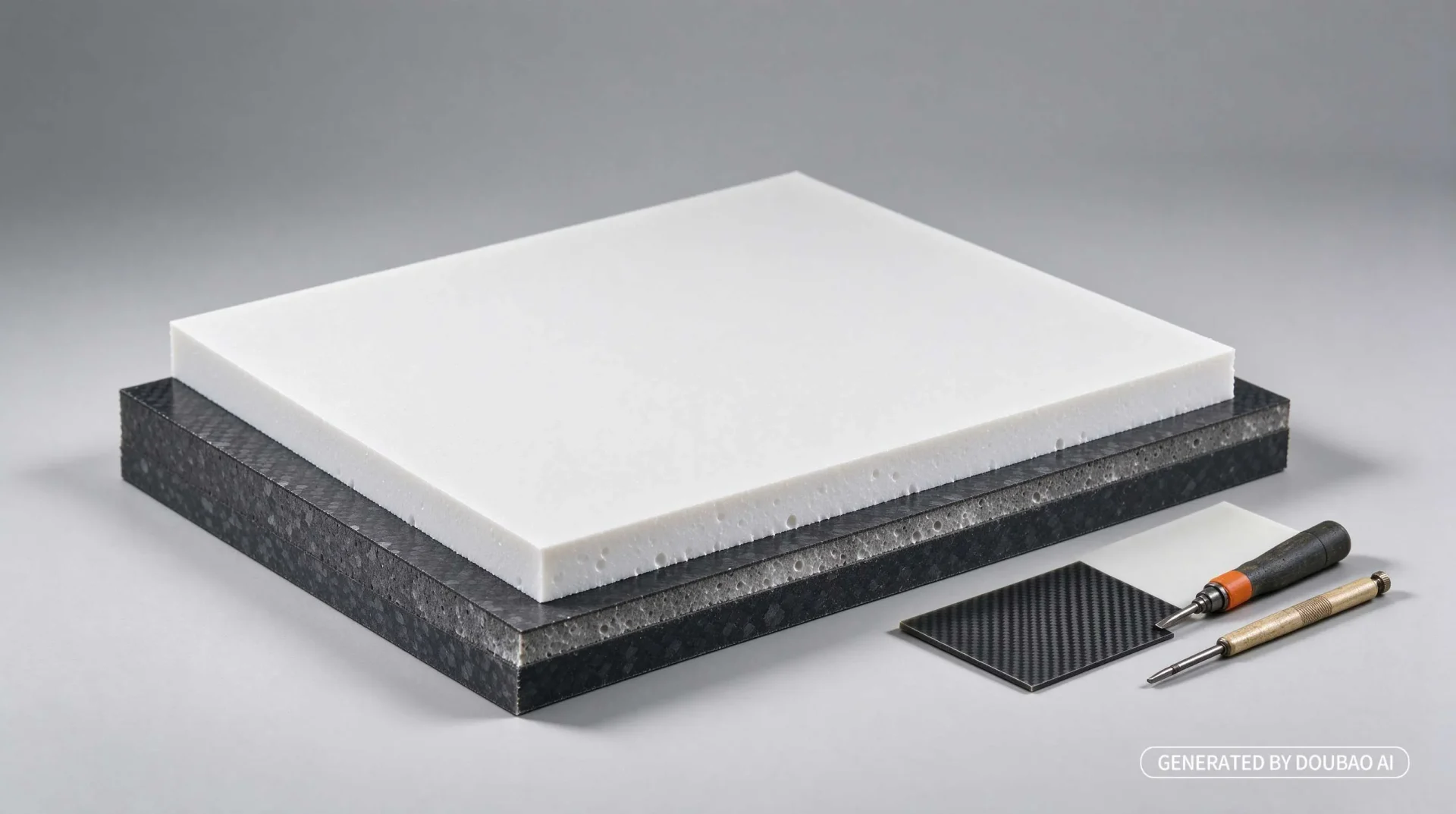
In terms of inherent material properties, PVC foam board is a closed-cell foam material featuring numerous tiny independent pores inside. Such a structure delivers a notable lightweight advantage. At the same volume, it weighs far less than solid wood, ordinary cement boards and some rigid plastic panels, which helps reduce the overall structural load and facilitates transportation and on-site cutting. The board has relatively good moisture and water resistance. Water does not easily penetrate into its interior. In relatively humid environments, compared with certain wood-based panels, it is less likely to swell or get mildewed after moisture exposure.
For mechanical performance, rigid PVC foam board offers a certain level of stiffness and compression resistance, and can serve as a sandwich core material. Meanwhile, the material is easy to process. It can be directly cut, drilled, thermoformed and bonded, and supports printing, laminating and painting to meet diverse shaping requirements. Of course, this material also has some limitations. Its performance may be affected under high-temperature conditions, so it may not fit scenarios with sustained high heat. The board has limited toughness and may crack or break under heavy impact. Material selection should take practical working conditions into comprehensive consideration.
Composite sandwich structures represent one of the core application directions for PVC foam board. In fiberglass and carbon fiber composite products, it is often used as the core layer and combined with surface materials. The surface layers bear tensile and compressive forces while the foam core supports and transfers loads. It helps lower the weight of components while retaining overall structural strength. Such sandwich panels are adopted for many components of ships and waterborne facilities. The water resistance brought by the closed-cell structure of PVC foam board can reduce moisture erosion inside the sandwich layer. PVC foam core materials can also be found in some internal parts of wind power equipment and interior structural components of rail transit carriages. Its lightweight feature helps cut down energy consumption during equipment operation.
PVC foam board is widely used in the advertising and signage sector. Many display boards, brand image walls, outdoor signboards and decorative panels for exhibition booths are made of PVC foam board. It has a smooth surface suitable for inkjet printing and film application, and can be easily cut to form custom shapes with relatively favorable cost performance for short-term indoor exhibitions, poster backboards in stores and event backdrop panels. For long-term outdoor use, a protective coating is recommended to slow down aging and discoloration caused by ultraviolet rays and extend service life.
PVC foam board also sees applications in the construction industry. It is used for some interior decorations, partitions and ceiling backing panels. With moisture-resistant properties, it suits certain indoor spaces with high humidity. It can also act as thermal insulation lining material. The pores inside deliver moderate heat insulation and noise reduction effects. It should be noted that PVC foam boards manufactured with different formulas show varied flame-retardant performance. For construction-related uses, products with matching fire resistance grades are preferred.
Besides the above fields, PVC foam board is used in niche scenarios such as model making, stage props and industrial packaging cushioning. Its easy cutting and shaping properties shorten production cycles for prototype making of scale models and stage props. For packaging of some precision goods, its shock-absorbing capacity can mitigate damage caused by bumps during transportation.
Several points deserve attention when selecting and using PVC foam board. Differences in formulas and foaming processes among manufacturers lead to obvious gaps in density, hardness and ageing resistance of finished panels. Buyers may choose appropriate density specifications according to service environments. Ventilation and protection are suggested for dust generated during processing. Panels should be stored away from prolonged direct sunlight to slow ageing. Suitable adhesives shall be used for bonding and fixing, as some strong solvents may corrode the board surface and cause deformation.
In summary, PVC foam board is a lightweight foam material with versatile comprehensive properties. It is not a universal material, with both clear strengths and weaknesses. Its value can be better realized through proper type selection and standardized application. With continuous optimization of material formulas, more new application methods may emerge in lightweight composite structures, decorative display and other fields in the future.