WPC Wall Cladding: Unlocking the Spatial Code for Integrated Home Decoration Design
Core of Integrated Design: Making WPC Wall Cladding the “Adhesive” of Space
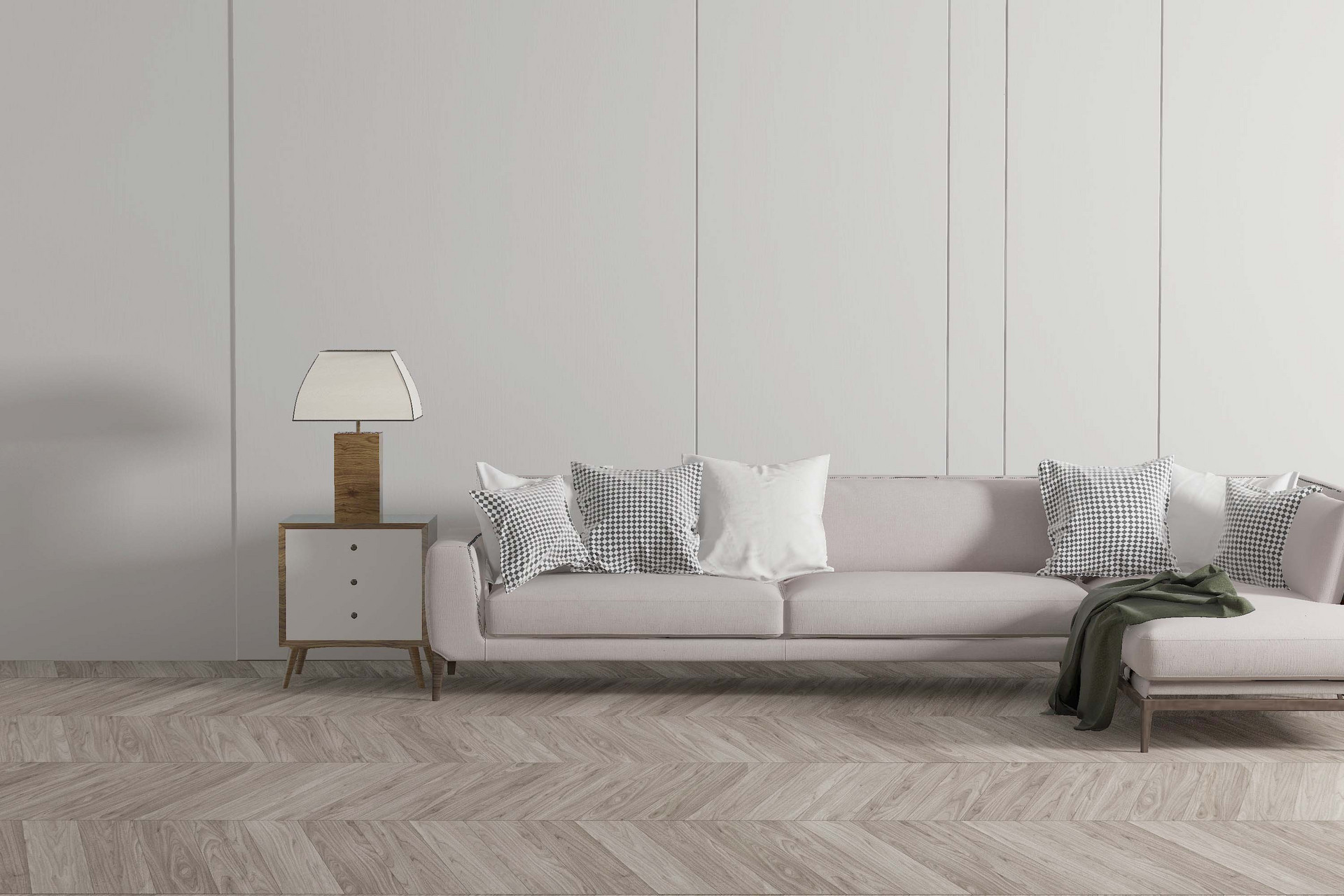
In the current home decoration market, “integration” has evolved from a design concept to a consumer demand. As the core carrier of spatial vision, WPC wall cladding is breaking through its single decorative attribute and becoming the “spatial adhesive” that connects the floor, ceiling, and furniture. Different from the traditional wall decoration characterized by “isolated design and segmented construction”, integrated design takes WPC wall cladding as the core and emphasizes the overall coordination of material, color, and texture. For example, microcement cladding can extend from the wall to the floor and countertop, creating a borderless visual effect; wooden wall panels echo the ceiling lines and match curtains of the same color system, building a warm space with a unified hierarchy. This design logic not only solves the pain point of “disconnection between walls and space” in traditional decoration but also makes small apartments appear more transparent and large apartments more textured by reducing visual breakpoints, which meets the modern people’s demand for a home that is “simple but not simplistic”.
Material Adaptation Logic: Dual Considerations of Function and Aesthetics
For the integrated design of WPC wall cladding, the first priority is the accurate adaptation of material selection, which needs to balance functional scenarios and aesthetic expression. From the perspective of material properties, there is a clear logic for the selection of cladding in different spaces: the living room, as the core activity area, can give priority to artistic coatings or sintered stone. The former enhances the sense of premium through handcrafted texture, while the latter adapts to daily family life with its wear-resistant and stain-resistant properties. For the bedroom, which pursues warmth and tranquility, bamboo-wood fiber integrated wall panels or wall coverings are preferred. The former has sound insulation and moisture-proof functions, while the latter creates a comfortable atmosphere through tactile texture. For damp areas such as kitchens and bathrooms, waterproof latex paint with tile waistlines of the same color can not only meet the waterproof requirements but also form a visual continuity with the floor tiles. It is worth noting that mixed material application has become a new trend in integrated design. For example, metal-faced wall panels are partially spliced with latex paint to strengthen the hierarchy through contrast, but it is necessary to ensure the unity of color saturation to avoid style conflicts.
Key to Construction Implementation: Full-Process Control from Base Treatment to Detail Sealing
The effective implementation of the integrated design of WPC wall cladding relies on the refined control of the entire construction process, among which base treatment and detail sealing are the two core difficulties. Base treatment needs to break the misunderstanding of “valuing the surface over the base”. Regardless of the type of cladding, it is necessary to first do a good job in wall leveling, moisture-proof, and anti-cracking treatment. For example, a base film should be applied before pasting wall coverings, and the flatness error of the wall should not exceed 2mm before installing integrated wall panels; otherwise, the integrated visual effect will be directly affected. Detail sealing is the key to improving the design texture. For example, at the junction of the wall and the ceiling, edge banding of the same material can be used to avoid gaps; for the connection between WPC wall cladding and cabinets, doors, and windows, dimensions should be reserved in advance to achieve “seamless embedding”. In addition, the scientific planning of the construction sequence is crucial. Usually, it is necessary to complete the floor leveling and ceiling frame first, and then carry out the WPC wall cladding construction to ensure the smooth connection of all links and reduce the risk of rework.
Environmental Protection and Cost-Effectiveness: Exploring the Implicit Value of Integrated Design
While consumers pay attention to the aesthetics of integrated design, their attention to environmental protection and cost-effectiveness continues to increase, which also promotes the upgrading and iteration of WPC wall cladding materials. Some brands have also launched recyclable mineral-based cladding, which not only reduces decoration pollution but also conforms to the trend of green home decoration. In terms of cost-effectiveness, although integrated design may increase the initial material cost, it reduces implicit costs by reducing material waste and shortening the construction period. For example, the snap-on installation of integrated wall panels shortens the construction period by 50% compared with traditional latex paint construction, reducing labor costs; the selection of unified materials also avoids the problem of “difficult matching of local damage” in later maintenance. From the perspective of long-term use, the integrated design of high-quality WPC wall cladding can extend the service life to 15-20 years, far exceeding the traditional single wall decoration, and has significant cost-effectiveness advantages.
Future Trend: Integrated Upgrading of Intelligence and Personalization
The integrated design of WPC wall cladding is upgrading towards the direction of “intelligence + personalization”, injecting more possibilities into home decoration spaces. In terms of intelligence, new materials such as luminous wall panels and temperature-sensitive coatings are gradually becoming popular. For example, the WPC wall cladding in the living room can be linked with smart home systems to create different scene atmospheres through light changes; the bedroom walls use temperature-sensitive coatings that adjust colors according to the ambient temperature, improving living comfort. In terms of personalization, custom-patterned wall coverings and handcrafted artistic coatings have become the first choice for young consumers, which can not only show personal aesthetics through WPC wall cladding but also maintain unity with the overall space design. With the development of technology, the integrated design of WPC wall cladding will become more flexible, realizing the customized needs of “unique for each person”, while taking into account the multiple values of function, environmental protection, and aesthetics, and becoming the core competitiveness of home decoration design.