

可持续建筑材料:塑造建筑业的未来
在不断发展的建筑领域,建筑材料起着举足轻重的作用。建筑材料的选择不仅决定了结构的耐久性和强度,而且对环境和整体生活质量也有重大影响。
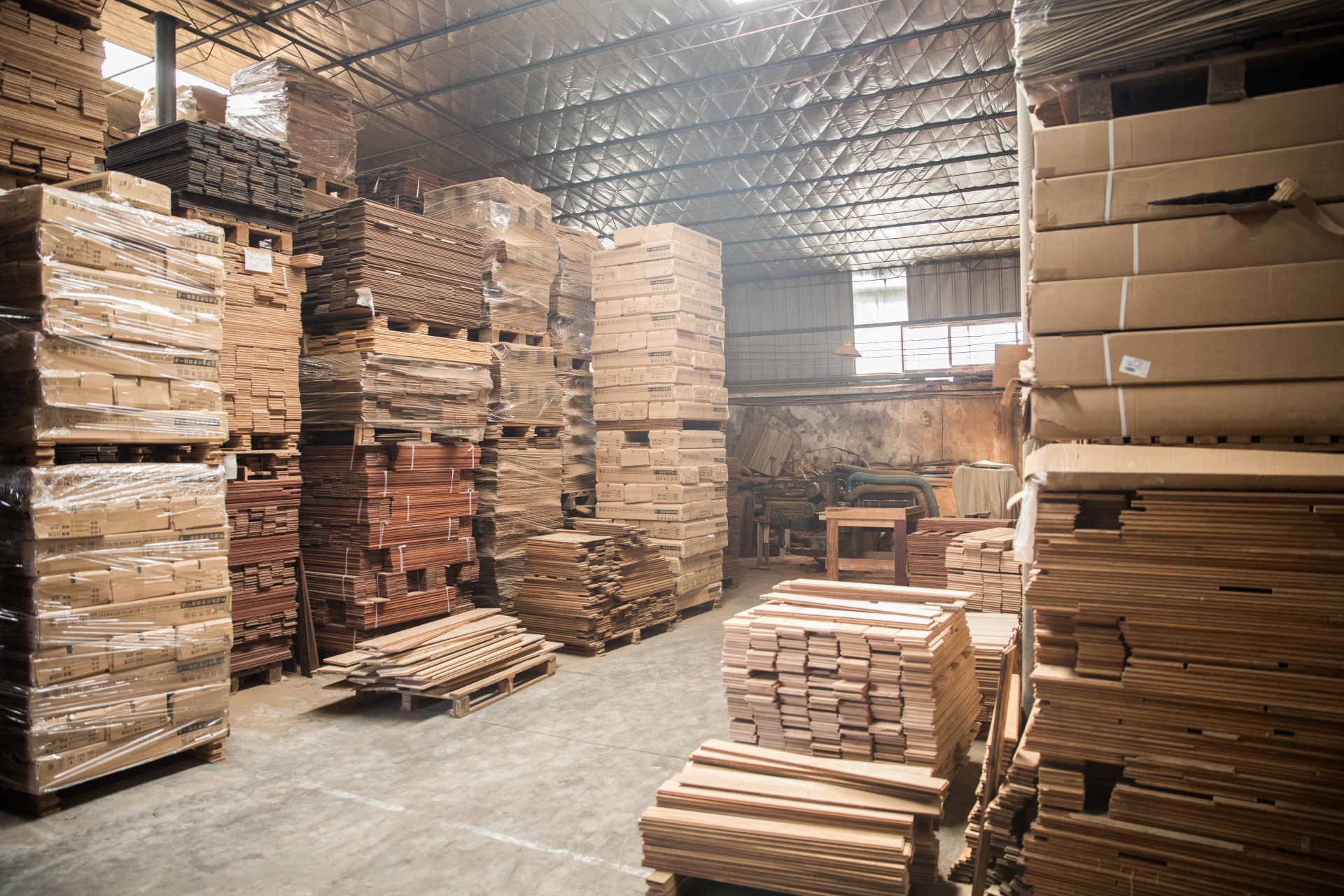
传统上,混凝土、钢材和砖块等材料在建筑业中占据主导地位。然而,随着人们对可持续发展的关注与日俱增,建筑材料也开始向更环保的方向转变。例如,竹子正在成为一种流行的选择。竹子是一种可再生资源,生长迅速,可以加工成坚固耐用的建筑材料。事实上,竹子可用于从地板到结构支撑的各种用途,是传统木材的多功能替代品。
另一种创新材料是再生塑料。现在,许多公司都在使用回收塑料制造建筑材料,如复合板和绝缘材料。这不仅减少了垃圾填埋场中的塑料垃圾数量,还为建筑业提供了一种具有成本效益和能源效率的选择。
The development of green 建筑材料 is also driven by the need to reduce carbon emissions. For example, some new types of cement are being developed that have a much lower carbon footprint than traditional Portland cement. These new cements use alternative raw materials and production processes that emit less greenhouse gases.
除了环保,现代建筑材料的技术含量也越来越高。自清洁玻璃和热变色涂层等智能材料正被用于提高建筑物的能效和功能性。自清洁玻璃使用一种特殊涂层,在阳光照射下可分解污垢和灰尘,从而减少人工清洁的需要并节约用水。热致变色涂层会随着温度的变化而改变颜色,有助于调节进入建筑物的热量。
However, the adoption of new 建筑材料 also comes with some challenges. One of the main challenges is the lack of awareness and understanding among builders and consumers. Many people are still unfamiliar with the benefits and applications of new and sustainable 建筑材料. Another challenge is the cost. Some of the new materials can be more expensive than traditional materials, which can limit their widespread use.
Despite these challenges, the future of building materials looks promising. With continued research and development, we can expect to see even more innovative and sustainable materials in the years to come. These materials will not only help to reduce the environmental impact of construction but also improve the quality and functionality of our buildings. As the demand for sustainable construction grows, it is essential that the construction industry continues to explore and adopt new 建筑材料 to meet the needs of the future.