

Rubberwood and Marble-Veined Panels Lead New Trends in European Home Furnishings
Driven by the dual pursuits of natural texture and sustainable development in the European home furnishings market, marble-veined panels continue to occupy a mainstream position with their classic aesthetics and practical performance. Meanwhile, the material mixing trend of rubber wood and marble-veined panels is rapidly rising, becoming a core trend leading European home design. This combination inherits the luxury and elegance of marble veins while integrating the warm texture of rubber wood, perfectly aligning with European consumers’ demand for a balance of environmental protection, durability, and aesthetics. It promotes the continuous expansion of marble-veined panels’ application scenarios in the European market, with increasingly clear and diverse popular trends.
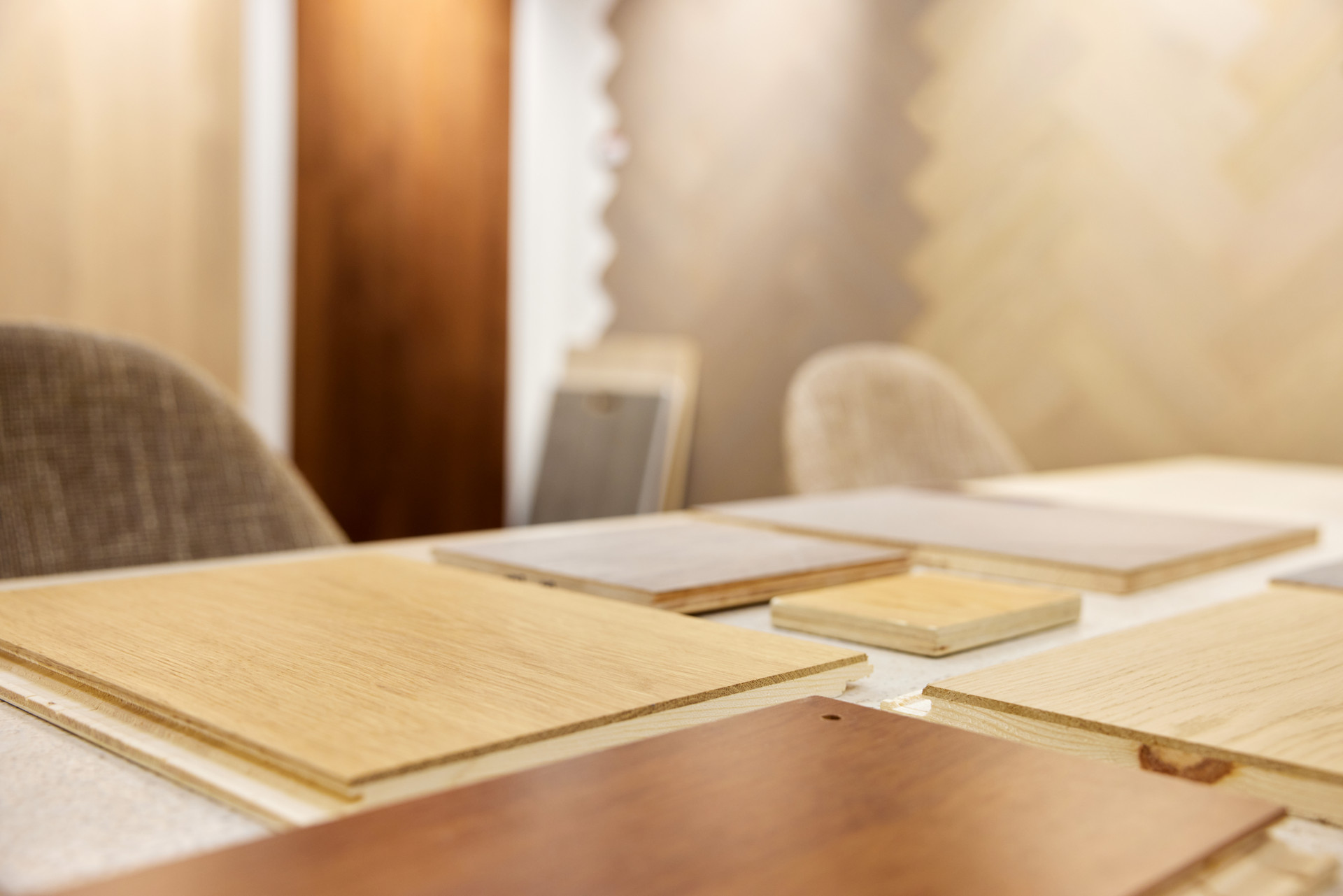
The aesthetic balance of material mixing is the core highlight of this trend. The European design community increasingly advocates the matching logic of “cold-warm collision”. The natural wood grain and warm tones of rubber wood form a striking yet harmonious visual effect with the cool texture and smooth veins of marble-veined panels. After professional moisture-proof and anti-corrosion treatments, rubber wood features stable and durable structure. Its warm touch can soften the rigidity of marble veins, while the exquisite texture of marble veins adds a luxurious touch to rubber wood. This combination not only meets the modern home’s pursuit of layering but also adapts to various mainstream styles such as Nordic minimalism, French light luxury, and retro industrial. Technological upgrades enhance the expressiveness of their matching: marble-veined panels achieve micro-3D concave-convex textures through digital glazing, dry grain overlay, and other technologies. The highly simulated gray-white base with natural veins forms a classic color scheme with rubber wood’s light yellow to reddish-brown tones, becoming the preferred matching solution for high-end residential and commercial spaces in Europe.
Sustainability and environmental compliance are the key drivers of this trend. The European market’s requirements for building materials’ environmental standards continue to tighten. Rubber wood’s sustainable supply model of “one tree, dual purposes”—harvested after the latex production cycle without the need to cut down primary forests specifically—fully aligns with the circular economy concept. Its processing scraps can be recycled, further reducing environmental burden. Marble-veined panels, on the other hand, tend to use man-made board substrates made from recycled raw materials, paired with low-VOC coatings. Their formaldehyde emissions strictly meet the EU E1 standard or even higher, and some products have passed rigorous certifications such as the German Blue Angel. This combination of dual environmentally friendly materials not only meets the mandatory requirements of EU Construction Products Regulation but also caters to consumers’ demands for green homes, becoming a core competitiveness for entering the European market.
The technological upgrading and style evolution of marble-veined panels themselves have also injected more possibilities into their matching with rubber wood. In terms of color, the European market currently prefers elegant tones with low lightness and saturation. In terms of specifications, large-format marble-veined panels are no longer the sole leader. In terms of craftsmanship, marble-veined panels with micro-3D textures and matte finishes are more favored.
The continuous expansion of application scenarios has made this trend penetrate various fields of European home furnishings. In residential spaces, cabinets and bathroom vanities with rubber wood bodies and marble-veined countertops have become popular choices. Rubber wood’s moisture resistance and durability perfectly match the high-frequency use scenarios of kitchens and bathrooms, while marble-veined panels’ easy-to-clean feature adds practical value. In commercial spaces, rubber wood tables and chairs paired with marble-veined walls in restaurants, and rubber wood decorative lines paired with marble-veined floors in hotels, not only enhance the space’s elegance but also meet the needs of wear resistance and easy maintenance. In addition, the growing demand for the restoration and renovation of historical buildings in Europe has led this material combination to be used in the partial transformation of heritage buildings. The natural texture of rubber wood and the classic charm of marble veins can complement the style of old buildings while meeting the functional requirements of modern use.
As the European home furnishings market’s demand for texture and environmental protection continues to deepen, the matching trend of rubber wood and marble-veined panels will be further consolidated. In the future, technological innovation will promote closer integration between the two. For example, the surface treatment technology of marble-veined panels will pay more attention to tactile coordination with rubber wood, while the modification process of rubber wood will further improve its adaptability to matching with marble veins. Guided by the concept of sustainability, this material combination that integrates aesthetic value, practical performance, and environmental attributes will continue to dominate the European home design trend, bringing more product choices that combine classic charm and modern atmosphere to the market, and becoming an important vane for the high-quality development of the European home furnishings industry.