

지속 가능한 건축 자재: 건설의 미래 형성
끊임없이 진화하는 건축 세계에서 건축 자재는 중추적인 역할을 합니다. 건축 자재의 선택은 구조물의 내구성과 강도를 결정할 뿐만 아니라 환경과 전반적인 삶의 질에도 큰 영향을 미칩니다.
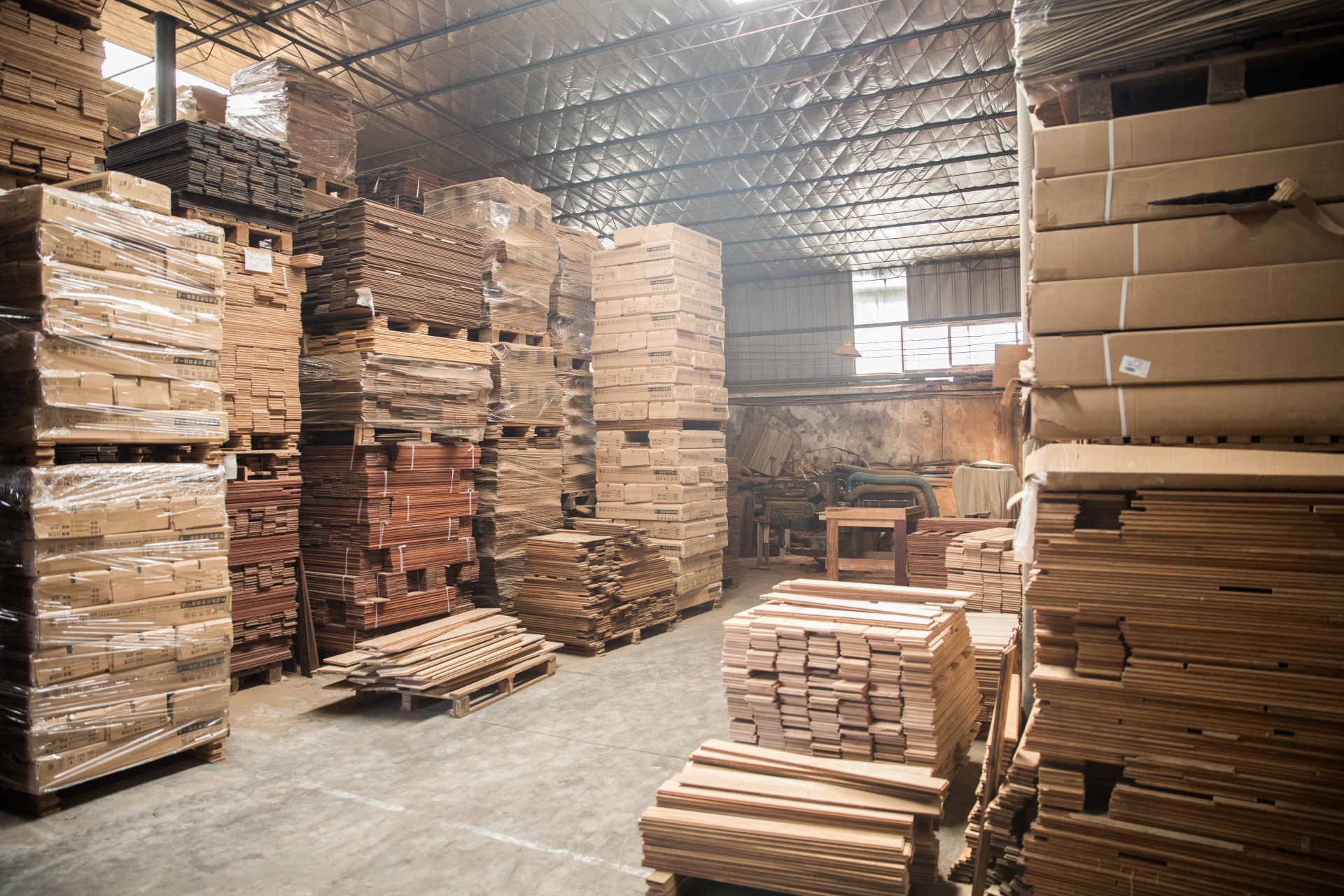
전통적으로 콘크리트, 강철, 벽돌과 같은 자재가 건설 산업을 지배해 왔습니다. 하지만 지속 가능성에 대한 관심이 높아지면서 친환경 건축 자재에 대한 주목할 만한 변화가 일어나고 있습니다. 예를 들어 대나무가 인기 소재로 떠오르고 있습니다. 대나무는 빠르게 자라는 재생 가능한 자원으로, 튼튼하고 내구성 있는 건축 자재로 가공할 수 있습니다. 실제로 대나무는 바닥재부터 구조용 지지대까지 모든 용도로 사용할 수 있어 기존 목재를 대체할 수 있는 다재다능한 소재입니다.
또 다른 혁신적인 소재는 재활용 플라스틱입니다. 현재 많은 기업이 재활용 플라스틱을 사용하여 복합 보드 및 단열재와 같은 건축 자재를 만들고 있습니다. 이는 매립되는 플라스틱 폐기물의 양을 줄일 뿐만 아니라 비용 효율적이고 에너지 효율적인 건설 옵션을 제공합니다.
The development of green 건축 자재 is also driven by the need to reduce carbon emissions. For example, some new types of cement are being developed that have a much lower carbon footprint than traditional Portland cement. These new cements use alternative raw materials and production processes that emit less greenhouse gases.
현대 건축 자재는 환경 친화적일 뿐만 아니라 기술적으로도 더욱 발전하고 있습니다. 건물의 에너지 효율과 기능을 개선하기 위해 셀프 클리닝 유리와 열 변색 코팅과 같은 스마트 소재가 사용되고 있습니다. 셀프 클리닝 유리는 햇빛에 노출되면 먼지와 때를 분해하는 특수 코팅을 사용하여 수동 청소의 필요성을 줄이고 물을 절약할 수 있습니다. 열 변색 코팅은 온도에 따라 색이 변하여 건물에 유입되는 열의 양을 조절하는 데 도움이 됩니다.
However, the adoption of new 건축 자재 also comes with some challenges. One of the main challenges is the lack of awareness and understanding among builders and consumers. Many people are still unfamiliar with the benefits and applications of new and sustainable 건축 자재. Another challenge is the cost. Some of the new materials can be more expensive than traditional materials, which can limit their widespread use.
Despite these challenges, the future of building materials looks promising. With continued research and development, we can expect to see even more innovative and sustainable materials in the years to come. These materials will not only help to reduce the environmental impact of construction but also improve the quality and functionality of our buildings. As the demand for sustainable construction grows, it is essential that the construction industry continues to explore and adopt new 건축 자재 to meet the needs of the future.