

Driven by Policies and Technology, the Acoustic Wall Panel Industry Enters a Golden Period of High-Quality Development
With the acceleration of urbanization and the improvement of residents’ quality of life, noise pollution has become an important factor affecting living comfort and office efficiency. As an effective noise reduction solution, Acoustic Wall Panels have gradually entered homes, commercial spaces and public facilities. Driven by policy guidance, technological iteration and demand upgrading, the industry has entered a critical stage of high-quality development. Data shows that the scale of China’s Acoustic Wall Panel market is expected to grow from 21.2 billion yuan in 2024 to 28.7 billion yuan in 2026, with a compound annual growth rate of 15.2%, and the market potential continues to be released.
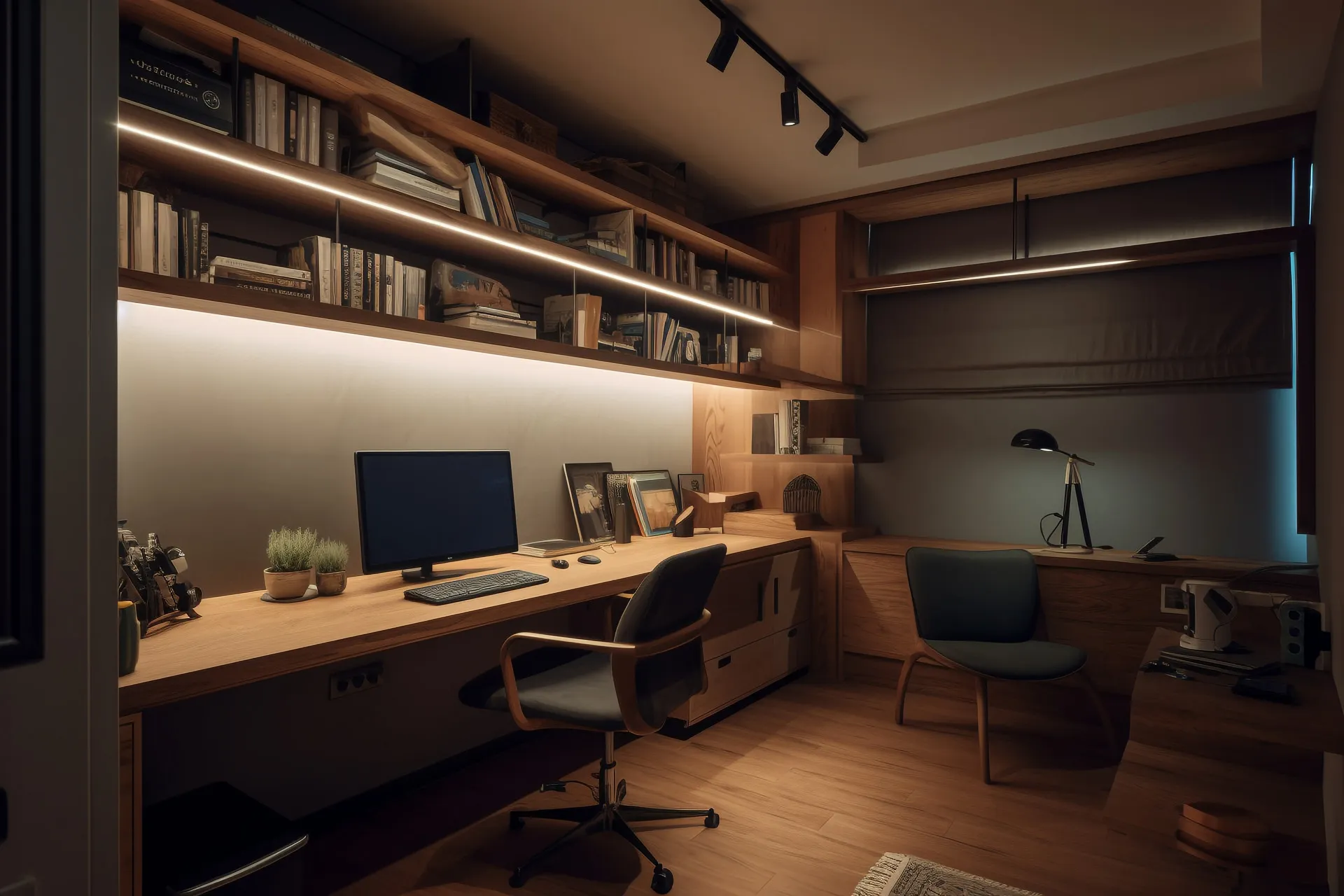
Image Source:699pic.com
Policy support has laid a solid foundation for the development of the industry. In recent years, the implementation of relevant noise control policies and the promotion of the “dual carbon” goal have defined a clear development direction for the 어쿠스틱 월 패널 industry. The new version of relevant building sound insulation design specifications has sharply increased the sound insulation standards for residential partition walls, driving an increase of 20%-30% in the consumption of Acoustic Wall Panel materials per square meter. The mandatory requirements for Class A fire-resistant Acoustic Wall Panel materials in public places have further promoted the upgrading of products towards green and safe directions. At the same time, the implementation of relevant special actions in the education field, with the relevant procurement volume in Guangdong Province alone reaching 230 million yuan in 2024, has provided strong support for the demand for Acoustic Wall Panels in the public decoration field.
Technological iteration promotes product upgrading to adapt to diverse scenario needs. At present, the Acoustic Wall Panel market has formed a diversified product matrix, and products of different materials and structures accurately match various scenarios. Composite damping Acoustic Wall Panels adopt a “magnesium oxide board + sound insulation felt + calcium silicate board” sandwich structure, with a sound insulation capacity of 35-45dB, which can effectively block various noises in places such as KTVs and cinemas. Polyester fiber Acoustic Wall Panels are made of recycled materials, which are environmentally friendly and formaldehyde-free, and have decorative properties, suitable for scenarios such as offices and home theaters. Transparent Acoustic Wall Panels adopt a PVB laminated glass structure, which achieves a sound insulation effect of 30-35dB while ensuring a visible light transmittance of more than 80%, suitable for lighting partitions and observation windows of concert halls. It is worth noting that the application of new composite materials is restructuring the market pattern. Products such as basalt-biobased gradient boards, which have the advantages of high sound insulation, light weight and high recoverability, are expected to have a penetration rate of more than 58% in the high-end market in 2026.
The improvement of consumer awareness drives demand expansion, and the C-end market grows significantly. In the past, Acoustic Wall Panels were mainly used in industrial and public decoration fields. Now, with the increasing demand of residents for living quietness, home decoration has become a new growth pole. The demand for Acoustic Wall Panel renovation in bedrooms, studies and other spaces has surged. Due to the convenient construction of DIY Acoustic Wall Panels, sales in 2024 increased by 132% year-on-year. However, the quality of products on the market is uneven, and many consumers have the cognitive misunderstanding that “sound absorption = sound insulation”, resulting in wasting money but failing to achieve the expected effect. Industry experts remind that sound absorption materials mainly reduce echo, while Acoustic Wall Panels need to block sound transmission through a high-density structure. When purchasing, we should focus on core indicators such as Sound Transmission Class (STC) and Impact Sound Insulation Level (ILw), and check authoritative test reports to avoid being misled by false propaganda.
The industry competition pattern is accelerating concentration, and leading enterprises are leading the development direction. At present, the industry has formed three core entities: material manufacturers, system integrators and engineering service providers. Material manufacturers such as Beijing New Building Materials and Luyang Energy Conservation account for 58% of the value chain. System integrators such as Zhongfu Acoustics and Fande Acoustics, relying on the advantages of solutions, have a penetration rate of 74% in high-end projects. In the global market, leading enterprises such as Shengxiang, Longpai and 3M account for 35% of the market share in total. Domestic enterprises occupy the mid-to-low-end market through localized innovation and cost advantages, while international brands maintain a premium advantage in the high-end market with technological accumulation. At the same time, the business model is evolving from simple product sales to “Acoustic Wall Panel solutions as a service”, and the gross profit margin of leading enterprises is expected to rise to 48%-55%.
In the future, the Acoustic Wall Panel industry will develop towards high performance, multi-function, greenization and intelligence. The application of new materials such as nano-ceramics and graphene will realize the integration of functions such as sound insulation, heat insulation and explosion protection; the integration of digital technology will promote the integration of sound field simulation and construction guidance, improving project delivery efficiency; and the wide application of recyclable materials will further meet the requirements of the “dual carbon” goal. For consumers, it is necessary to improve Acoustic Wall Panel awareness and master scientific purchasing methods; for enterprises, it is necessary to focus on technological innovation and scenario adaptation to seize opportunities in the industry upgrading. With the continuous release of policy dividends and continuous technological breakthroughs, Acoustic Wall Panels will become the core force in the field of building acoustics, creating a quieter and more comfortable living and working environment for people.