
블로그
2026년 6월 11일
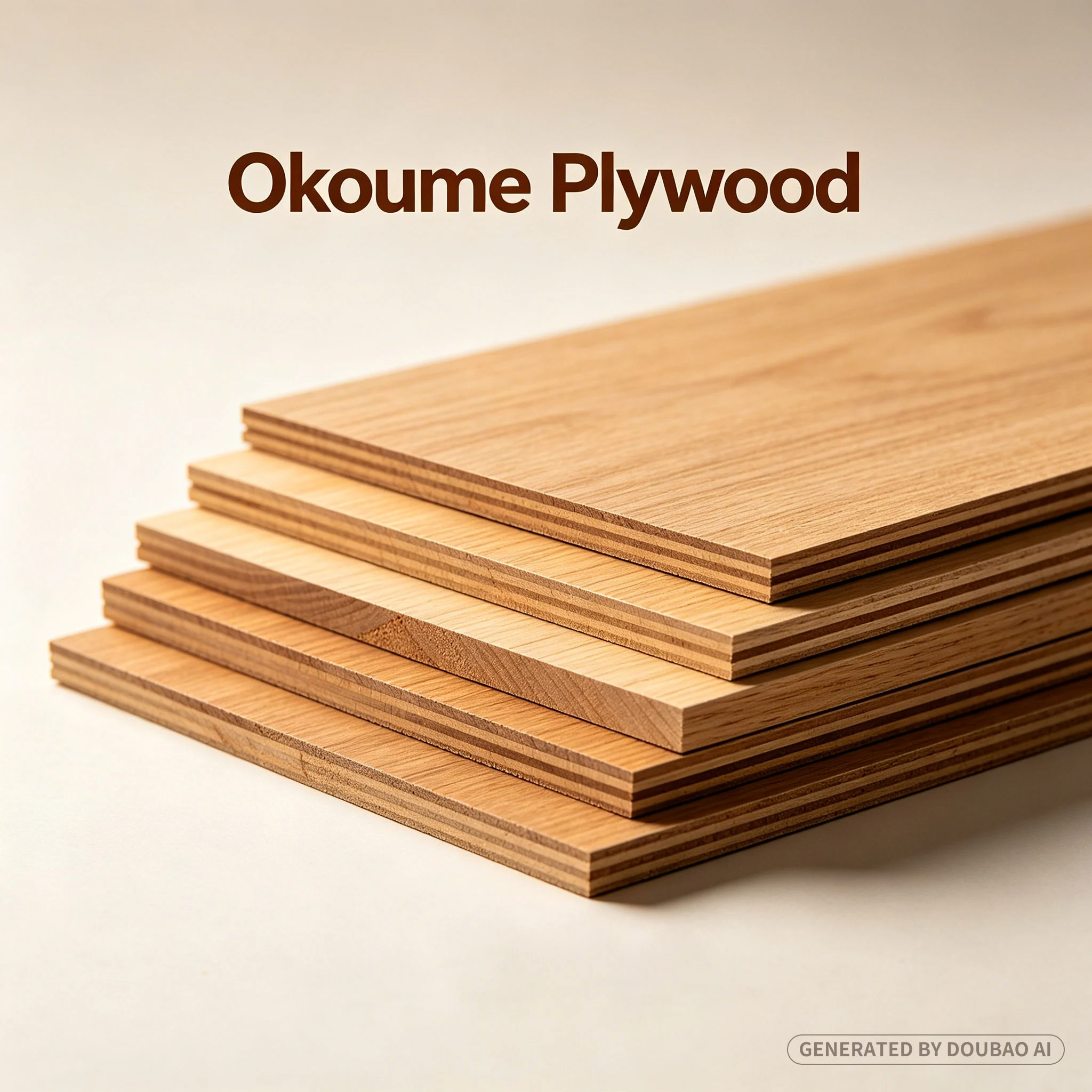
오쿠메 합판에 대한 종합 가이드에 오신 것을 환영합니다. 이 기사를 통해 널리 사용되는 이 건축 자재에 대한 모든 것을 이해하는 데 도움이 될 것입니다.
2026년 9월 4일
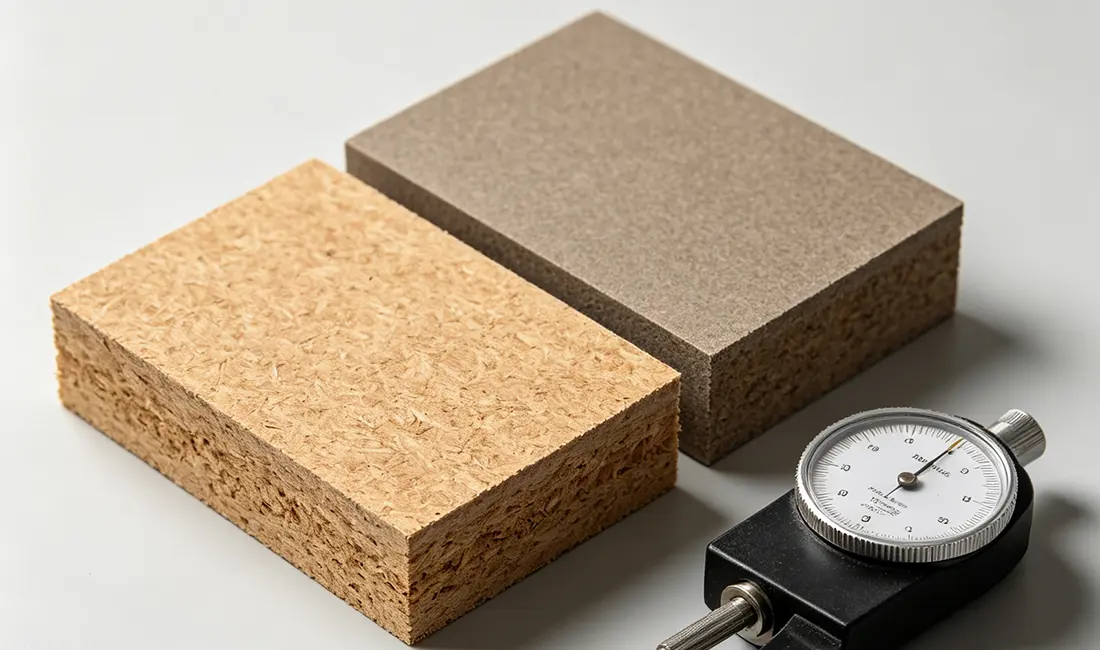
The core difference between MDF and HDF is density: medium-density fiberboard ranges from 600–800 kg/m³, while high-density fiberboard reaches 800–1,100
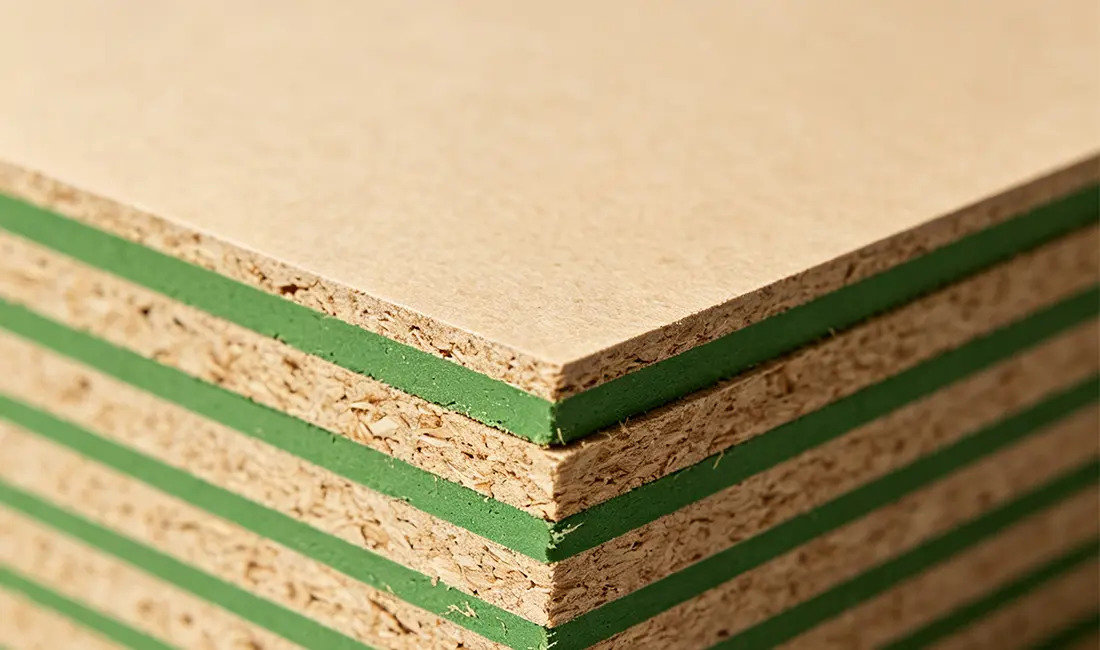
방습(녹색) MDF: 상세한 용도 및 주요 사양
Moisture-resistant MDF is a specialized type of medium-density fiberboard that uses moisture-resistant resin to withstand humid conditions better than standard MDF.
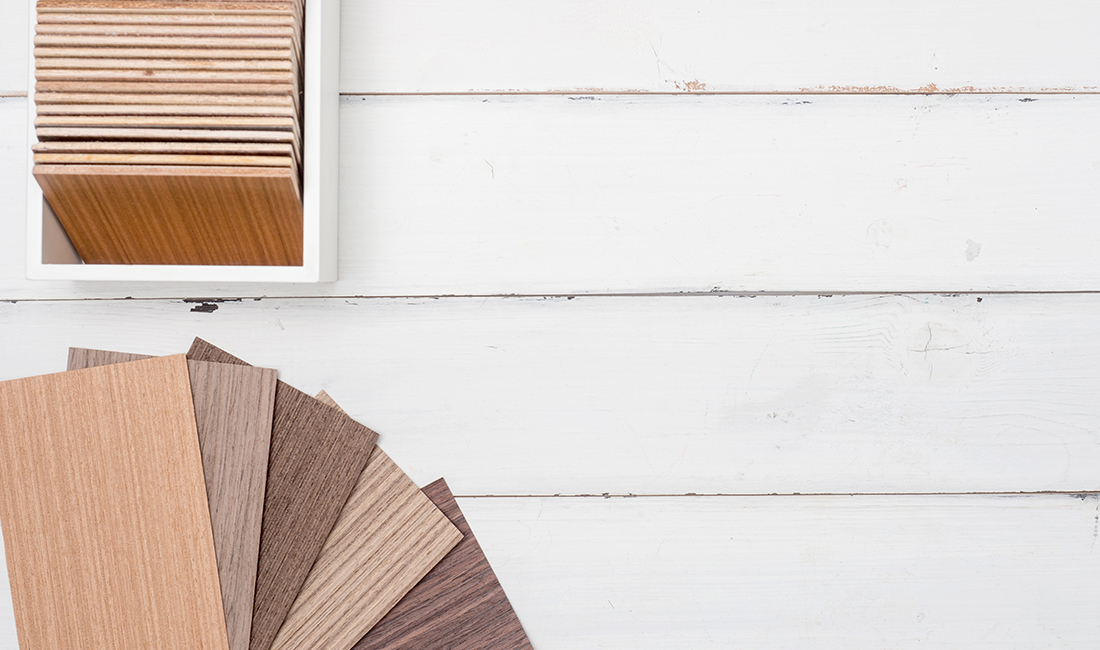
MDF 패널의 종류: 표준, MR, FR 및 HDF에 대한 설명
MDF 패널은 크게 네 가지 유형으로 나뉩니다: 건조한 공간용 표준 MDF, 습한 공간용 내습성(MR) MDF, 화재 안전 규정이 적용되는 공간용 난연성(FR) MDF, 그리고 얇고 단단한 부재용 HDF입니다. 등급은 목재 섬유 자체가 아니라 수지, 첨가제, 압축 밀도에 따라 결정됩니다.
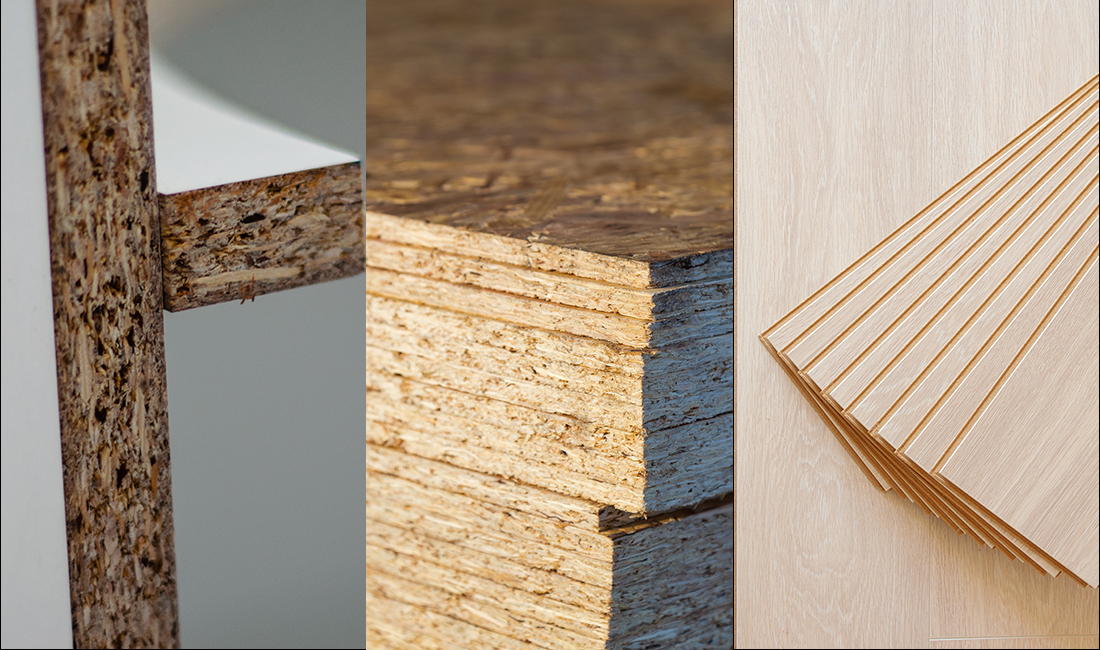
파티클보드 vs MDF vs 합판: 종합 비교
lywood is the strongest of the three panels, MDF gives the smoothest painted surface, and particle board offers the lowest cost. That short answer fits most projects, but the right board still depends on load, moisture, finish, and budget. This comparison comes from the technical team at SUMEC Building Material, a Chinese wood panel manufacturer and exporter that has supplied plywood, MDF, HDF, and particleboard since 1999.
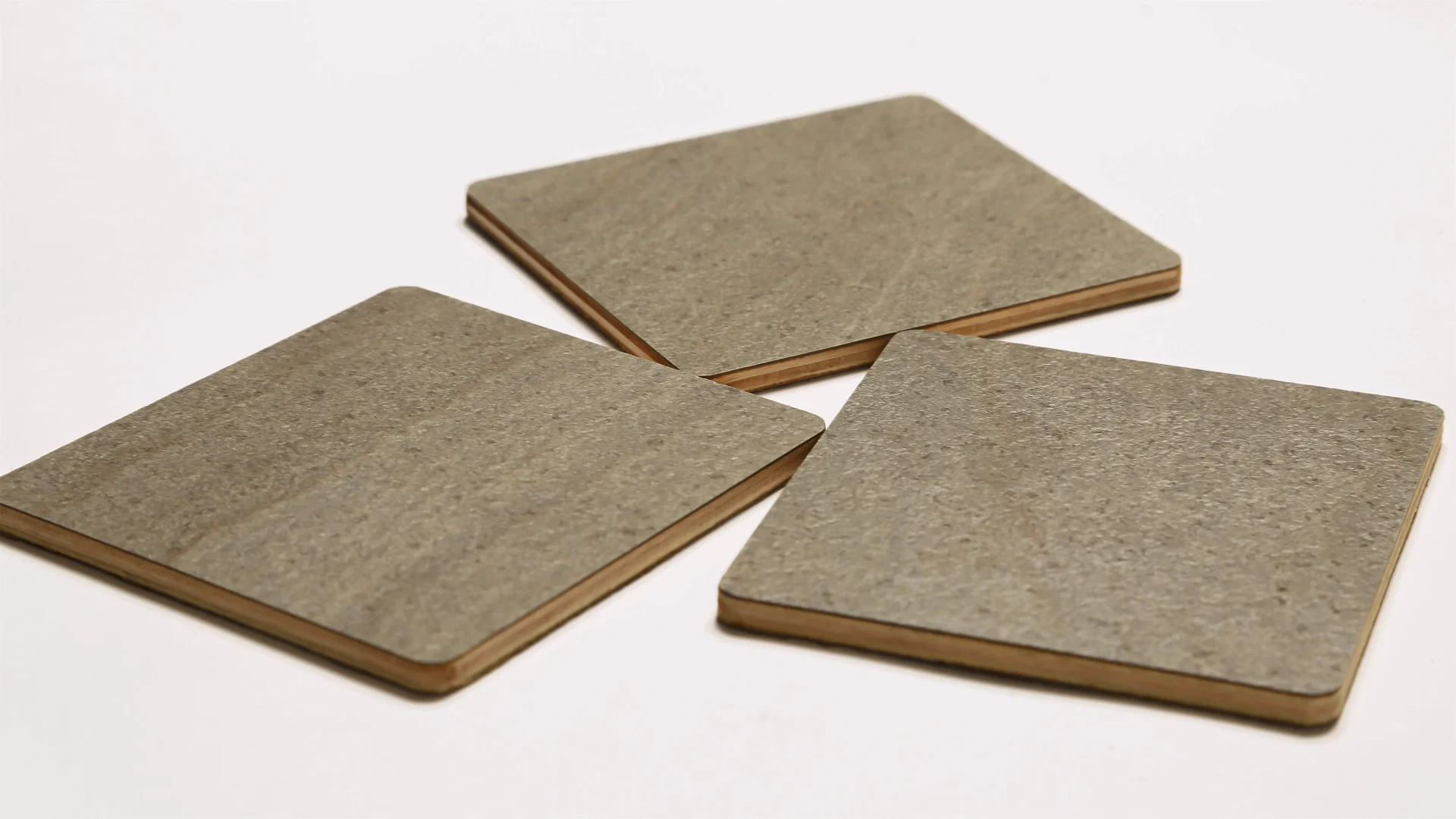
내화 합판: 정의, 제조 과정, 사용 시나리오
This article explains fire-rated (fire-retardant-treated) plywood, including its production, key benefits, ASTM/UL/Euroclass fire ratings, proper applications, installation best practices, and FAQs for construction and building safety compliance.
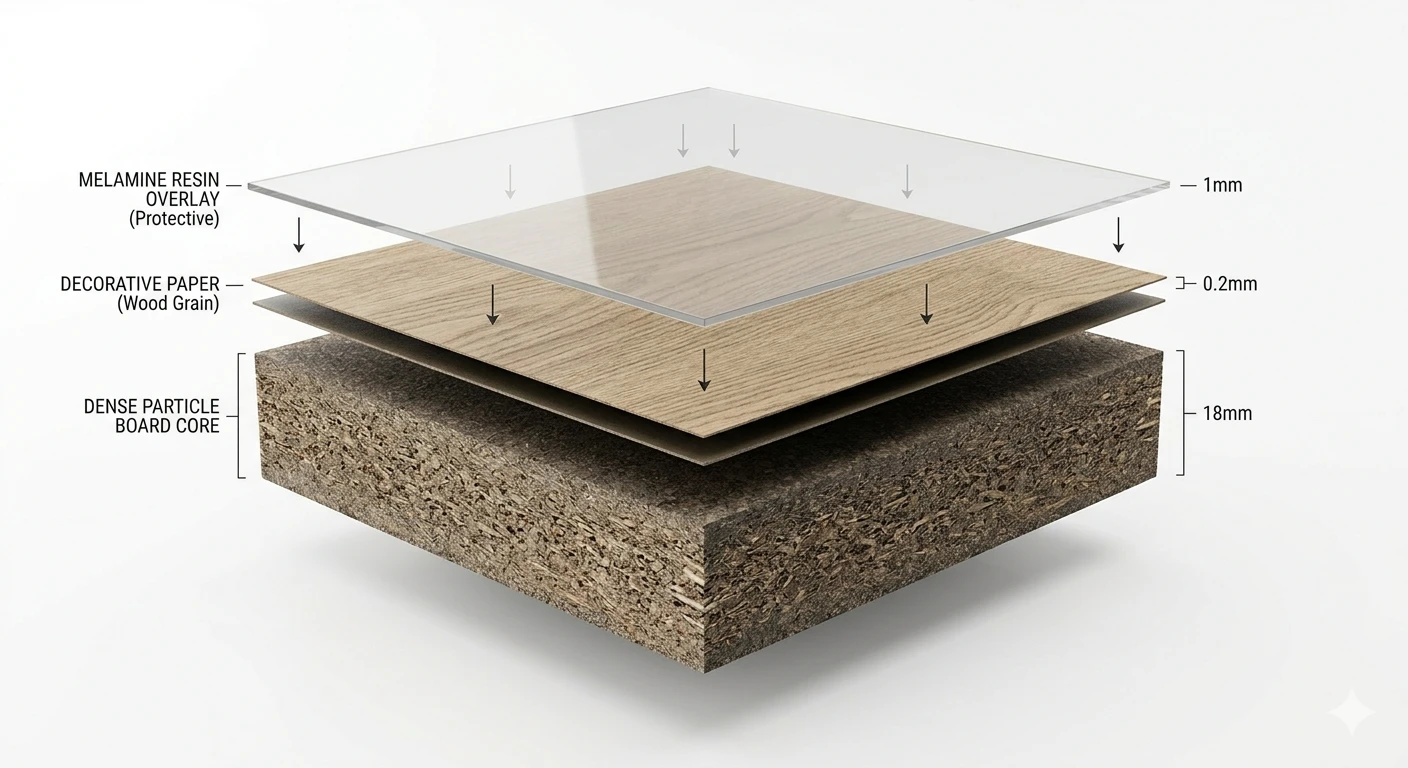
멜라민 보드란 무엇인가? 용도, EN 표준 및 안전 가이드
멜라민 보드(TFM)에 대한 사실을 알아보세요. 이 가이드는 B2B 구매자 및 건축업자를 위해 기술적 구조, EN 14322 표면 성능, 그리고 전 세계적으로 인정받는 안전 기준을 다룹니다.
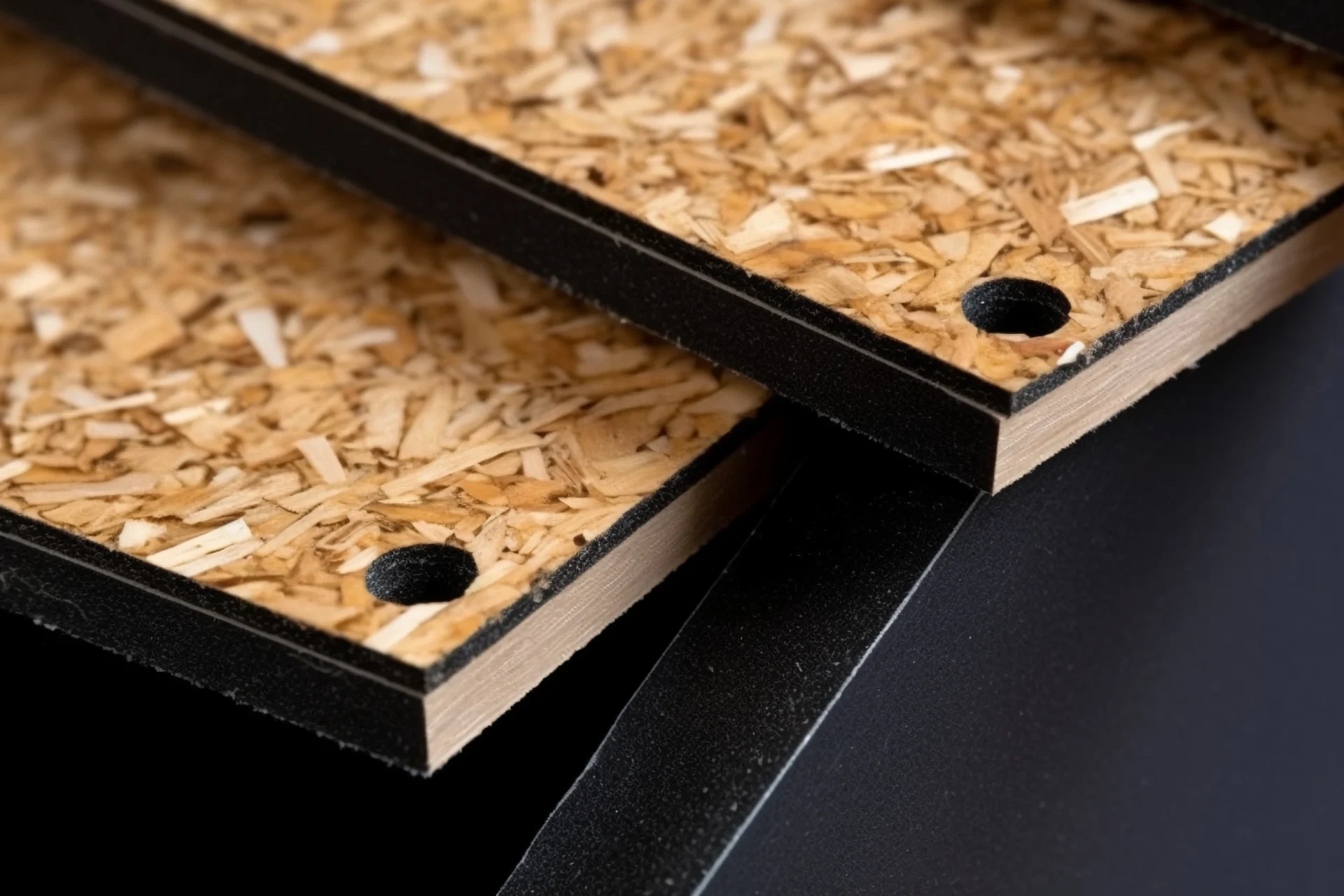
MDF 대 HDF: 차이점과 용도
MDF와 HDF의 핵심 차이점—밀도, 강도, 내구성부터 실제 용도, 마감 성능, 비용에 이르기까지—을 알아보세요. 이 전문 가이드서는 명확한 데이터, 사용 사례 차트, 그리고 신뢰할 수 있는 장기적 성능을 위한 전문가의 권장 사항을 통해, 사양 작성자, 시공업체 및 프로젝트 구매자가 가구, 캐비닛, 바닥재 프로젝트에 적합한 공학 목재 패널을 선택하는 데 도움을 줍니다.
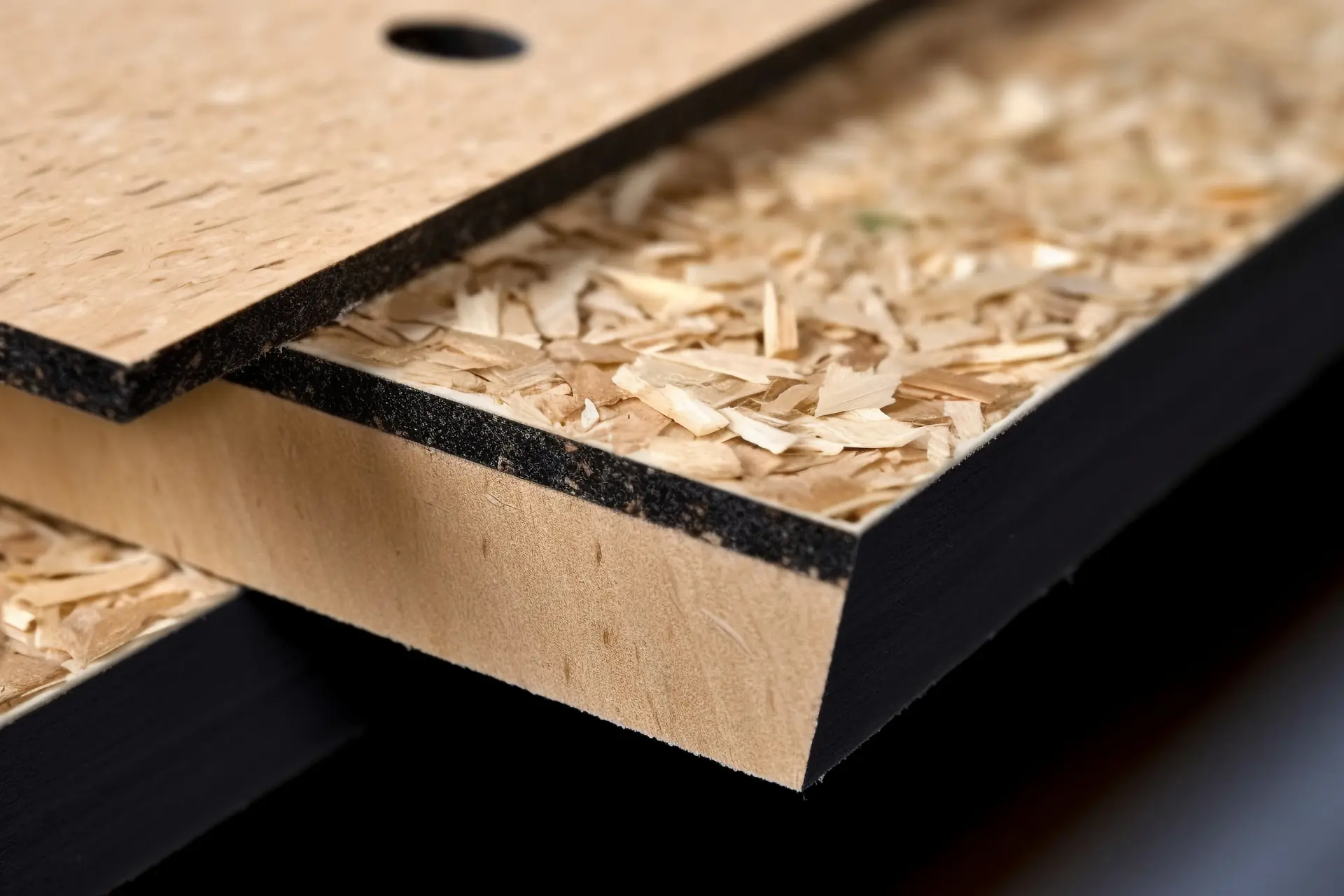
내습성 MDF: 정의, 사용처 및 주요 한계
서론
중밀도 섬유판(MDF)은 전 세계적으로 가구, 수납장 및 인테리어 장식에 널리 사용되는 합성 목재입니다. 일반 MDF는 수분을 쉽게 흡수합니다. 습한 환경에서는 팽창하고 변형되므로 습기가 많은 장소에서는 사용할 수 없습니다. 이러한 문제를 해결하기 위해 내습성 MDF(MR MDF)가 개발되었습니다.
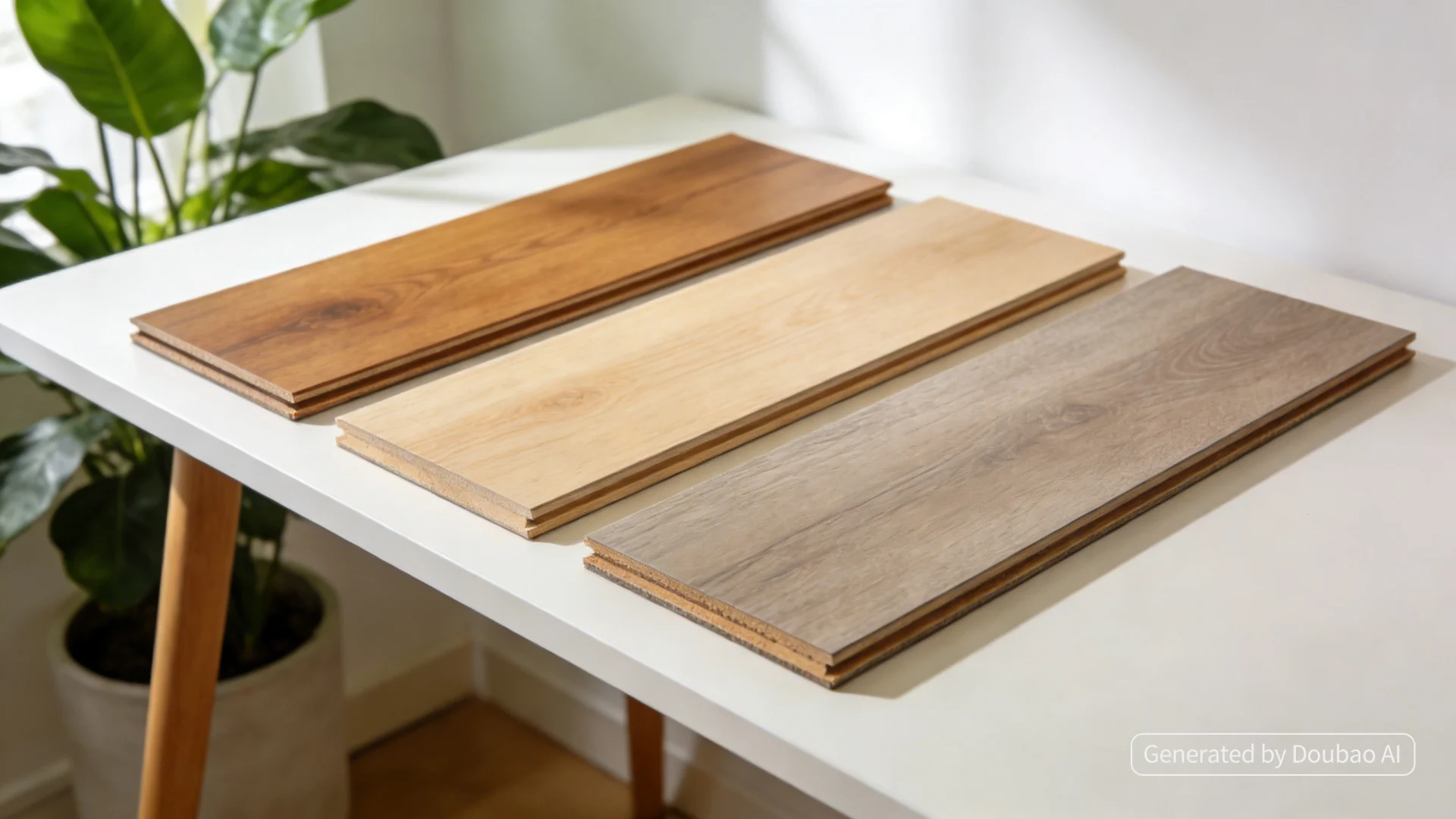
목재의 종류: 경목, 연목 및 합성목재 개요
집 리모델링, 맞춤 가구 제작, 건축 프로젝트, DIY 공예 등에서는 적합한 목재 재료를 선택하는 것이 매우 중요합니다. 많은 초보자들이 흔히 저지르는 실수가 있는데, 바로 경목(hardwood)과 연목(softwood)이 만졌을 때의 단단함 정도에 따라 이름이 붙여졌다고 생각하는 것입니다. 사실 이 두 가지 천연 목재는 경도가 아니라 수종에 따라 구분됩니다.
오늘날, 엔지니어드 우드는 전 세계적으로 주택 및 건설 프로젝트에 가장 널리 사용되는 자재입니다. 이 자재는 품질이 안정적이고 성능이 뛰어나며 친환경적인 특징을 갖추고 있습니다. 또한 SUMEC Building Material의 핵심 제품군이기도 합니다.