

Melamine Plywood Export Market 2026: Landscape, Trends & Practical Foreign Trade Strategies
Melamine plywood, also known as melamine-faced plywood, is a decorative panel made by hot-pressing melamine-impregnated paper onto a plywood substrate. It features scratch-resistant and stain-proof surfaces and requires no extra painting. In 2026, global demand for home renovation and commercial space refurbishment keeps growing. Meanwhile, environmental regulations and timber traceability rules across countries keep tightening, alongside diverging trade barriers in different regions. The export market for melamine plywood shows a clear trend: value upgrade matters more than simple volume growth. For wood panel exporters, understanding shifts in niche markets and managing compliance thresholds are critical to securing orders and boosting profit margins.
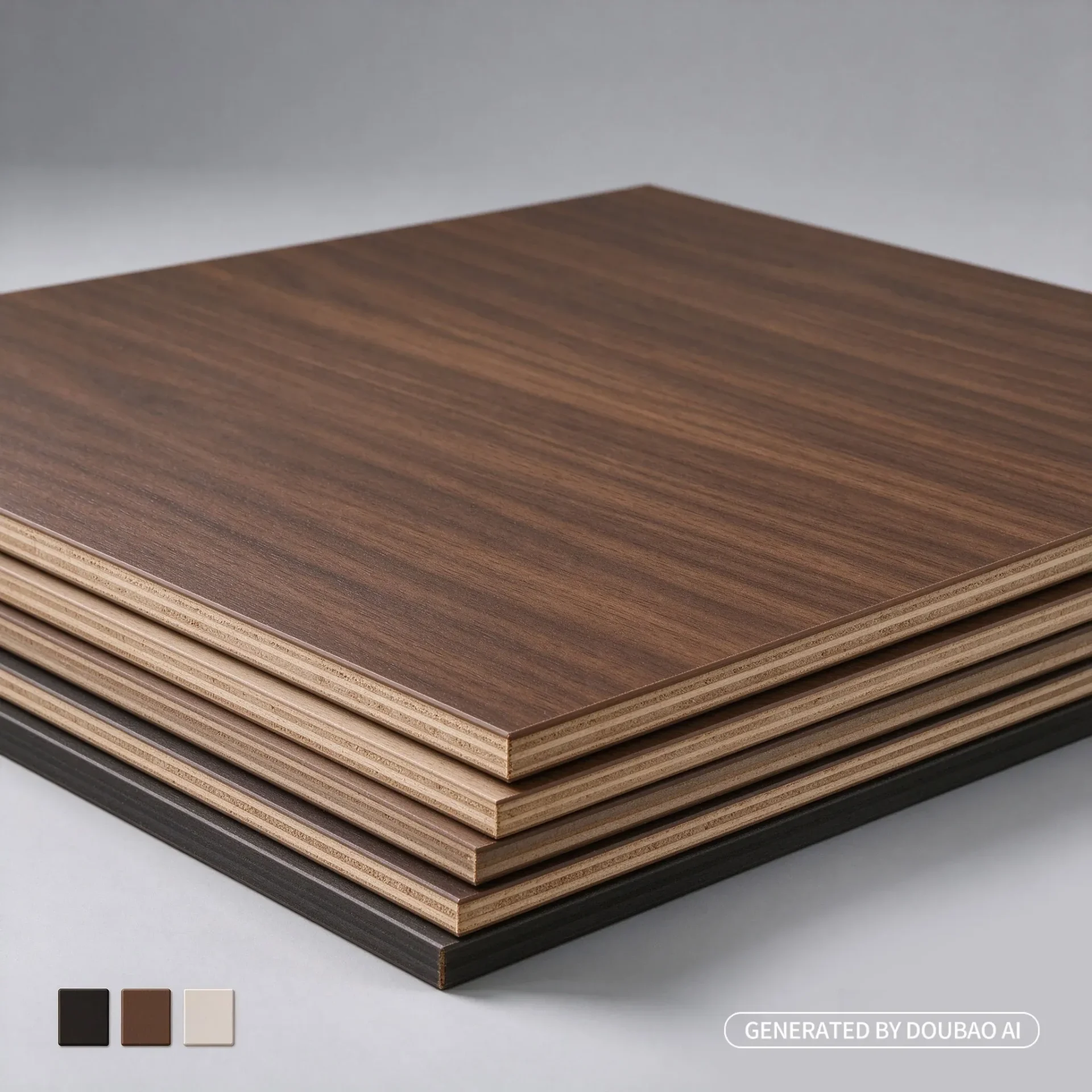
Looking at fundamental global demand, the خشب رقائقي من الميلامين market maintains steady growth. Unlike regular commercial plywood mainly used for basic construction and packaging, melamine-faced panels are value-added products, mostly supplied to finished furniture and interior decoration sectors with noticeably higher profit potential. Industry forecasts indicate continuous expansion of the global melamine decorative panel market, and melamine plywood, as a high-end subcategory, grows faster than ordinary plywood. Compared with melamine-faced MDF or particleboard, plywood substrates deform less and perform better under humid conditions. Furniture factories and renovation contractors in hot and humid markets such as the Middle East, Southeast Asia and Australia prefer this material.
Regional demand varies greatly this year. The Middle East stands out as the most promising growth market. Saudi Arabia and the UAE keep launching new residential, hotel and commercial complex renovation projects. Local furniture manufacturers place steady orders for melamine plywood in various wood grain and solid colour options. The European market maintains stable demand, yet entry requirements have risen sharply. Cabinet makers and large DIY retailers in Germany, Poland and the UK prioritise E0 low-formaldehyde panels with FSC certification and full traceability to meet EUDR rules. Order volumes are not exploding, but buyers show strong loyalty and offer better unit profits.
The North American market carries high uncertainty. Affected by tariff policies, US importers are more cautious when selecting suppliers. Most orders come in small batches with strict certification requirements, which must meet CARB P2 or TSCA Title VI formaldehyde emission standards. Many US buyers diversify their supply chains and compare quotations from manufacturers across Asia. Domestic furniture manufacturing in Southeast Asia continues to expand. Factories in Vietnam and Malaysia purchase large volumes of خشب رقائقي من الميلامين for cabinets and wardrobes. Some orders are consumed locally, which partly diverts traditional export business. Latin America and Africa remain price-sensitive markets. Buyers mainly choose basic wood grain patterns with loose certification requirements, making them suitable supplementary markets.
Compliance has become the first hurdle to closing export deals. After full enforcement of the EU Deforestation-free Products Regulation (EUDR), all timber products shipped to Europe need complete traceability documents, covering logging locations, species information and full processing records. Cargo without complete traceability files risks customs detention. Formaldehyde emission standards also cannot be overlooked. E0 grade is widely preferred in Europe; the US enforces CARB P2; Japanese clients often specify F4-star standards. Previously many exporters only focused on surface colours. Now substrate glue and raw material traceability must be included in quality control. Many small and mid-sized factories have lost stable European clients due to incomplete certifications, while suppliers who prepared compliance documents early have gained more qualified enquiries.
Buyer preferences for product appearance and specifications keep evolving. A few years ago, standard wood grain designs dominated the market. Today, synchro-texture, matte finishes, light grey and solid colours receive far more enquiries. Minimalist modern styles are popular across Europe, Australia and the Middle East. 12mm, 15mm and 18mm remain mainstream thickness options for cabinet doors and side panels; thin 6mm sheets are used for feature walls and partitions. Importers set higher standards for surface flatness and edge banding compatibility. Surface defects and colour differences easily trigger claims. Many importers order multiple colours at once, demanding flexible production for frequent colour switches.
In terms of raw materials and costs, cost pressure persists in 2026. Tighter controls on global log supply, price fluctuations of adhesive and melamine paper, together with environmental upgrades, certification maintenance and ocean freight push overall production costs higher. Intense market competition prevents manufacturers from raising prices freely. The market is split: basic panels with common finishes face fierce price competition and thin margins. Products with solid compliance credentials, rich colour libraries and consistent surface quality command premium pricing. The old strategy of competing purely on low prices is no longer viable.
Faced with the current market, exporters can optimise operations from four angles. First, build a solid compliance system. Obtain required formaldehyde and forest traceability certifications for target markets, and prepare traceability files in advance for customs audits. Second, upgrade product portfolios. Keep cost-effective base products while developing popular finishes such as matte and synchro textures, expand colour cards to match regional aesthetic trends and raise added value. Third, diversify market layout. Deepen business in high-growth markets including Europe and the Middle East, spread client sources and reduce risks caused by policy changes in a single region. Fourth, strengthen quality control and delivery management. Stabilise substrate quality, strictly control colour variation and sanding marks, arrange production schedules properly to guarantee lead times and maintain long-term partnerships with key buyers.