
الأخبار
سبتمبر 30, 2026
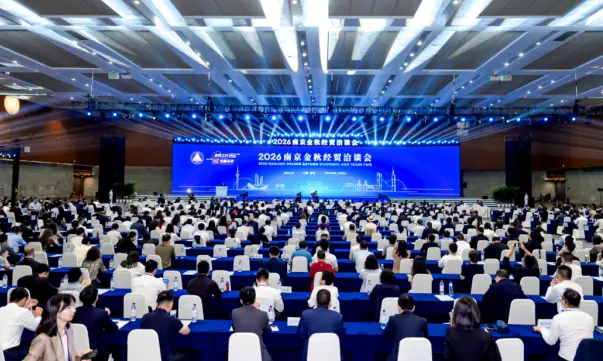
Autumn in Jinling brings a promising engagement. On the morning of September 23, the 2026 Nanjing Golden Autumn Economic and
سبتمبر 30, 2026
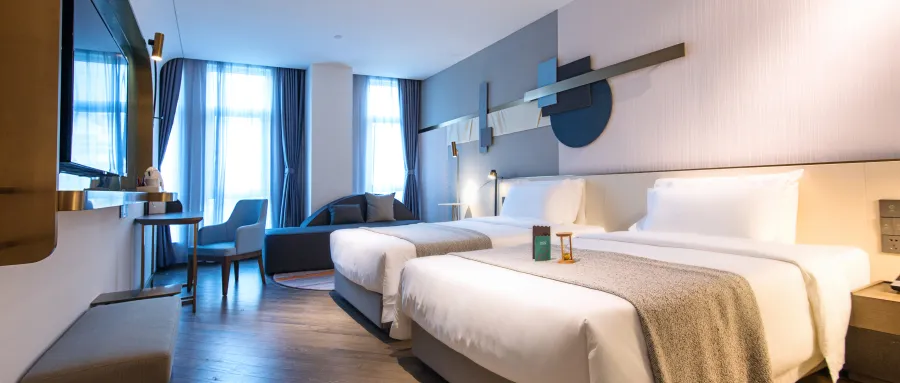
Against the backdrop of globalized building material trade and iterative upgrading of overseas interior decoration demands, resilient flooring has gradually
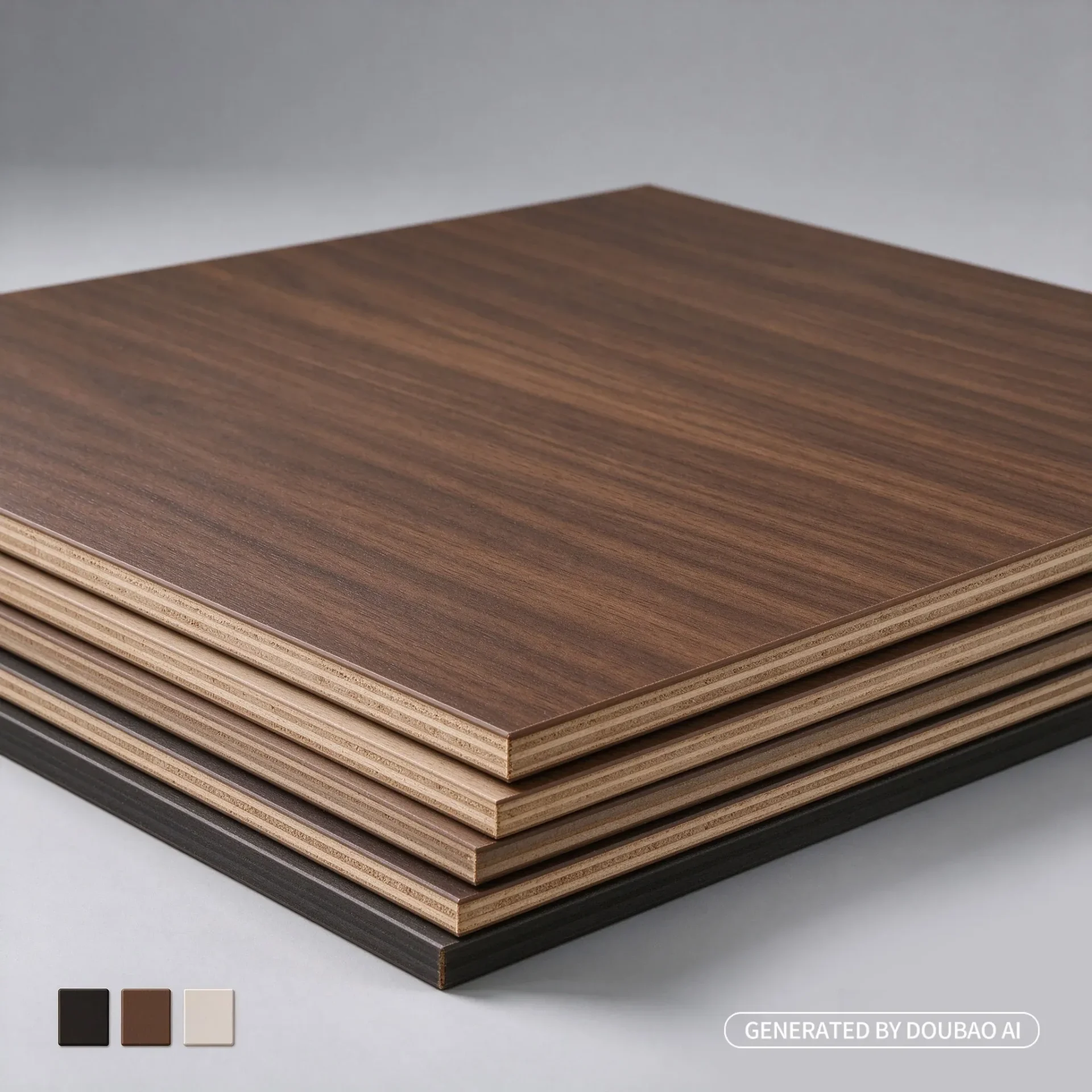
Melamine Plywood Export Market 2026: Landscape, Trends & Practical Foreign Trade Strategies
Melamine plywood, also known as melamine-faced plywood, is a decorative panel made by hot-pressing melamine-impregnated paper onto a plywood substrate. It features scratch-resistant and stain-proof surfaces and requires no extra painting. In 2026, global demand for home renovation and commercial space refurbishment keeps growing. Meanwhile, environmental regulations and timber traceability rules across countries keep tightening, alongside diverging trade barriers in different regions. The export market for melamine plywood shows a clear trend: value upgrade matters more than simple volume growth. For wood panel exporters, understanding shifts in niche markets and managing compliance thresholds are critical to securing orders and boosting profit margins.
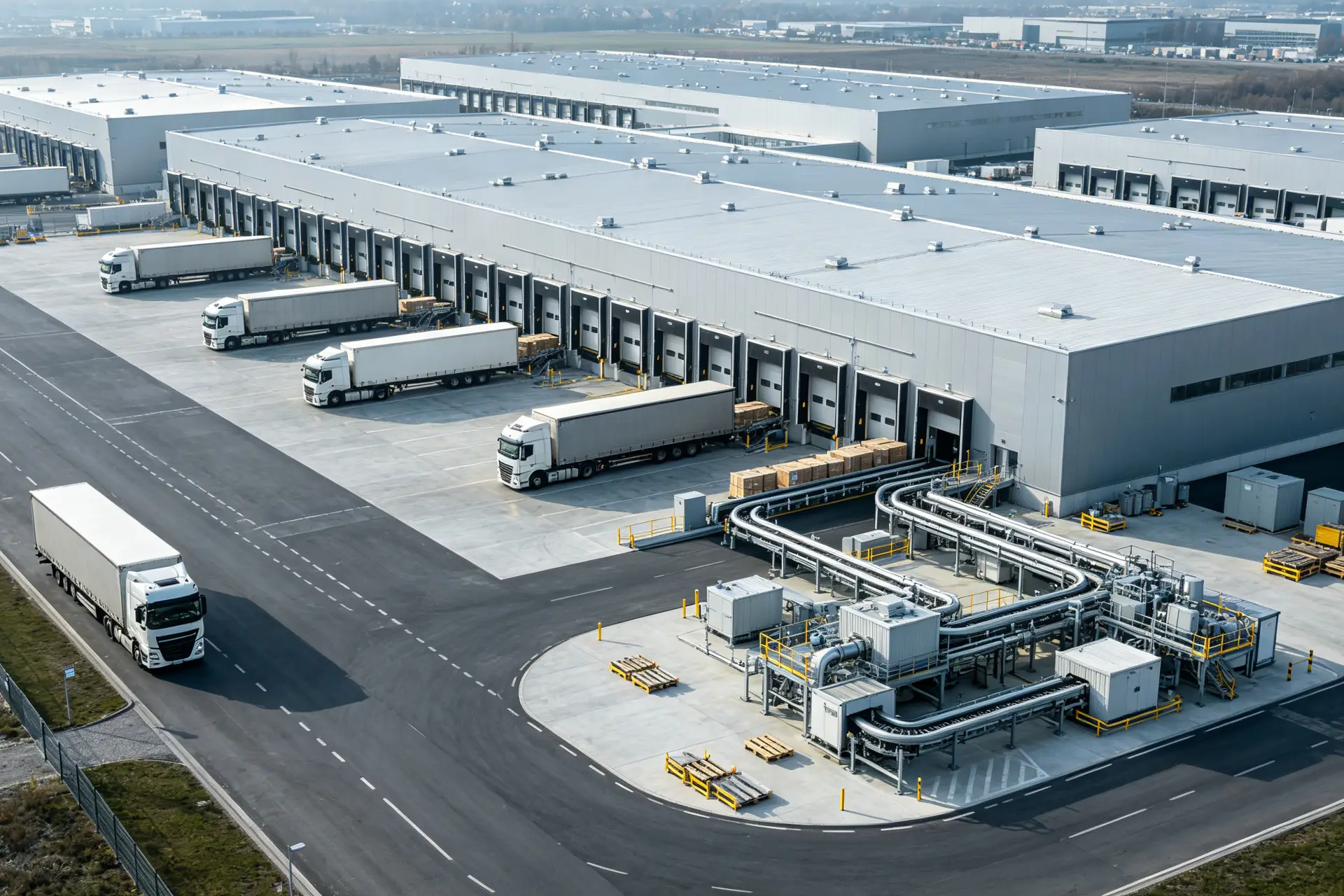
What Are the Advantages of Door-to-Door Logistics in the Building Materials Industry
Door-to-door logistics relies on a single service provider to coordinate end-to-end transportation, which can greatly reduce cargo damage of building materials and shorten delivery lead times, making it an optimal solution catering to the transport needs of large-sized and diversified building materials. The conventional segmented logistics model for the building materials industry involves numerous transit links and dispersed responsible parties. In the event of cargo damage or delivery delays, disputes among multiple parties are common. In contrast, door-to-door logistics delivers unified management across the whole process and effectively addresses this long-standing industry pain point. This article breaks down five core advantages of door-to-door logistics for building material businesses through checklists and comparisons, offering references for building material manufacturers, engineering procurement teams and foreign-trade building material enterprises in service selection.
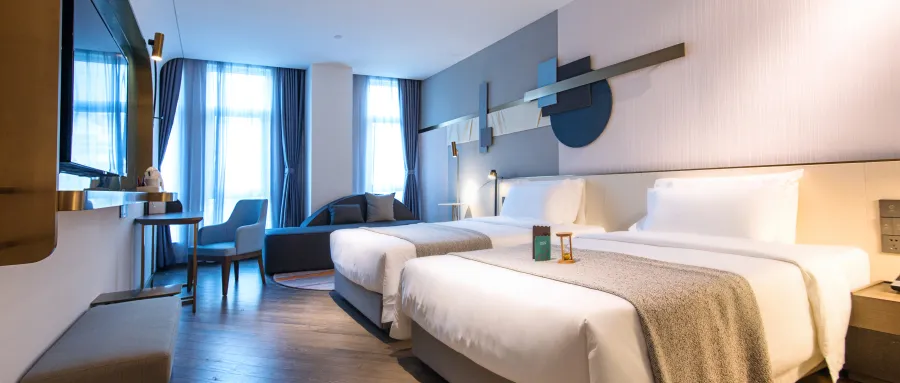
Comprehensive Introduction to WPC Flooring: Material, Advantages and Application Scenarios
Basic Material and Core Composition of WPC Flooring
WPC Flooring is a popular new type of interior floor decoration material for residential and commercial projects, commonly known as wood-plastic flooring. WPC Flooring is manufactured by mixing and pressing wood fiber, polymer resin and various auxiliary additives. Combining the texture of wood materials and the stability of polymer materials, WPC Flooring is a composite environmentally friendly floor material that differs from traditional solid wood and composite flooring with single material structures. Through high-temperature fusion, extrusion molding and other refined processes, WPC Flooring features a dense board structure with few internal gaps. This structure helps weaken the performance shortcomings of single materials, endows WPC Flooring with balanced overall material properties, and makes it adaptable to most conventional indoor floor paving scenarios.
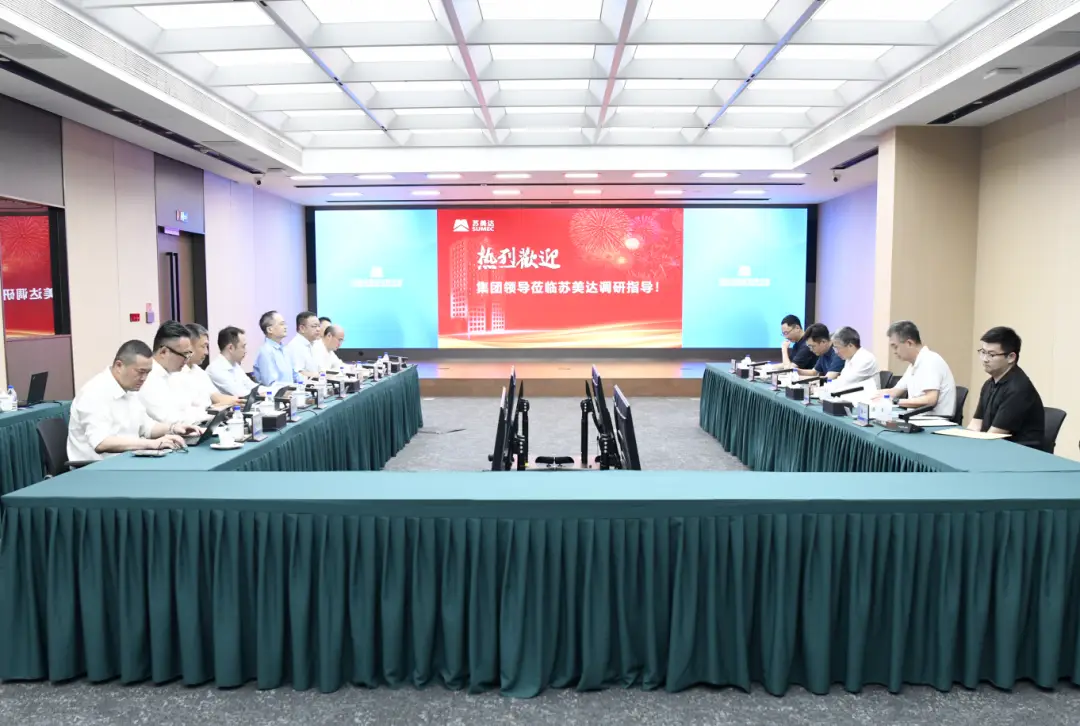
Shen Ruihong, Member of the Standing Committee and Deputy General Manager of SINOMACH Party Committee, Inspects SUMEC
On August 27, Shen Ruihong, Member of the Standing Committee and Deputy General Manager of the Party Committee of China National Machinery Group (SINOMACH), conducted an inspection tour of SUMEC to gain in‑depth insights into SUMEC’s business performance and its 15th Five‑Year strategic planning. Zhang Yu, Director of the Operation and Management Department of SINOMACH, accompanied the inspection. Corporate leaders Yang Yongqing, Wang Jian, Zhong Yiwei, Hu Haijing and Zhang Xin took part in the inspection.
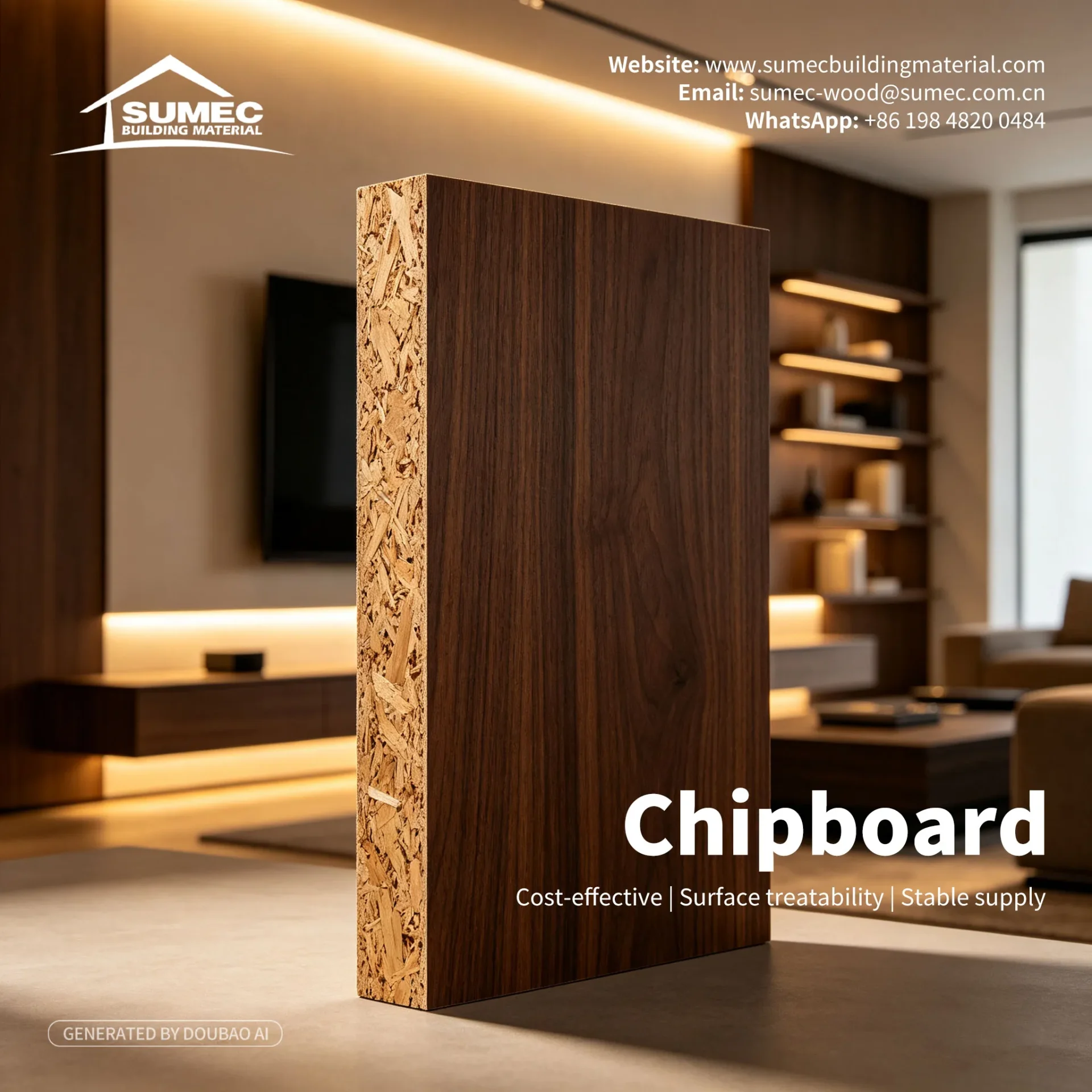
Chipboard: Analysis of Export Market in Southeast Asia
Against the backdrop of restructuring in the global woodbased panel trade landscape, chipboard stands out as one of the core categories for woodbuildingmaterial exports, thanks to its costeffectiveness, wide adaptability and high rawmaterial utilization rate. As trade barriers keep rising and competition becomes saturated in European and American markets, Southeast Asia, driven by booming infrastructure, largescale homegoods manufacturing industries and growing urbanrelated demand, has gradually evolved into one of the most promising growth tracks for global chipboard exports, as well as a key battleground for foreigntrade players exploring incremental markets. This article comprehensively analyzes the demand logic, supplydemand pattern, trade strengths, existing challenges and future development trends of the Southeast Asian chipboard export market, providing references for industry overseastrade planning.
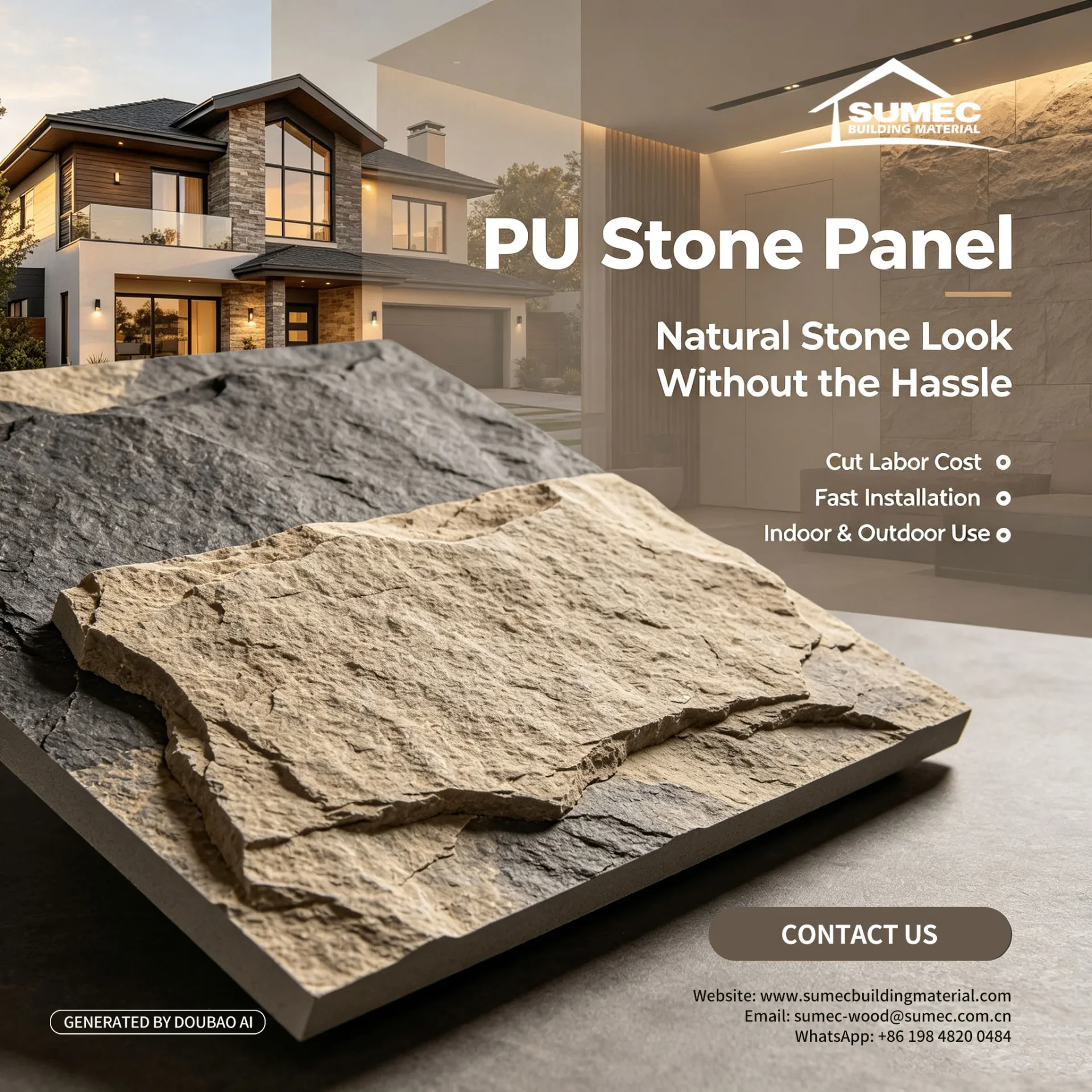
مقدمة عن استخدام الألواح الحجرية المصنوعة من البولي يوريثان
In the architectural decoration sector, stoneimitating finishing materials have become a key option for design and material selection. Made with highdensity polyurethane substrates, PU stone panels replicate the texture and tactile quality of natural marble. Balancing visual performance and practical material properties, they overcome limitations of natural stone in weight, installation and environmental adaptability, and are widely adopted in home decoration, commercial fitouts, outdoor landscapes and renovation projects.
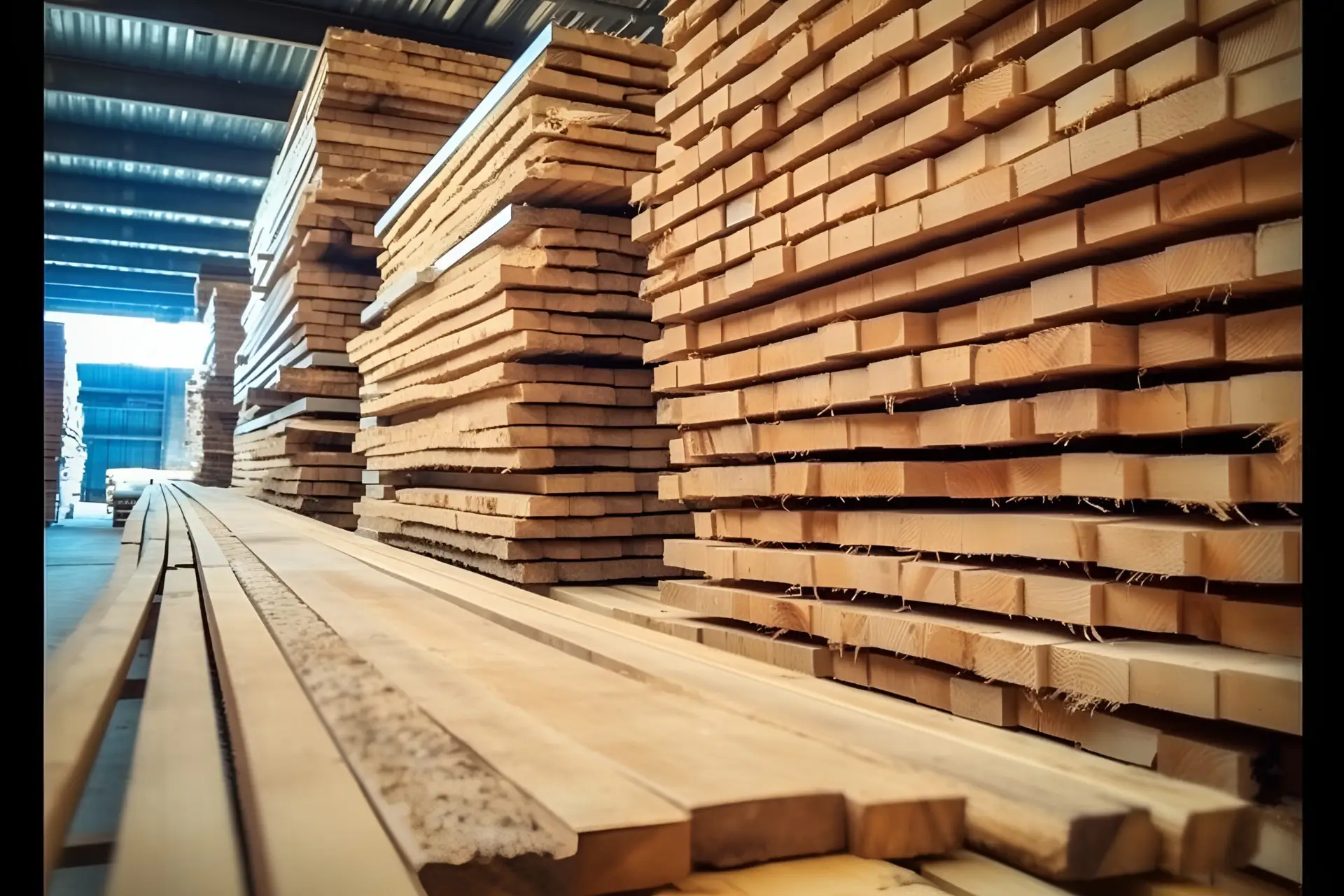
ما هي أنواع ألواح البناء التي تحتاجها فيتنام؟
According to the latest data from Vietnam’s Ministry of Construction, Vietnam’s construction output value rose by approximately 6.5 % year‑on‑year in 2025, remaining a pillar of the national economy. By 2030, Vietnam’s urbanization rate is projected to approach 45 %, which translates into an annual demand for up to 70 million square metres of new housing, together with supporting commercial and industrial buildings.
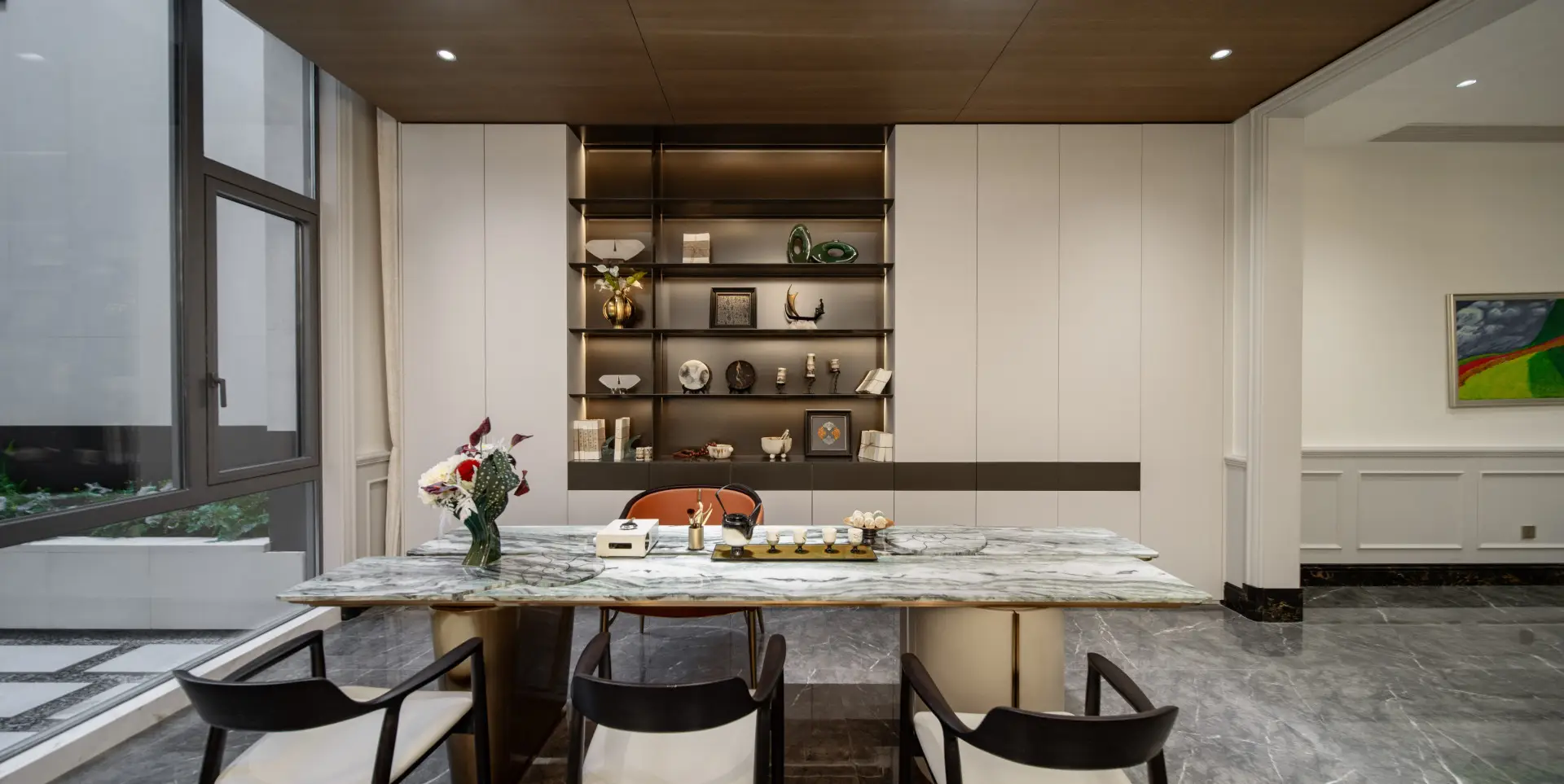
اختيار الخشب لأعمال التجديد الداخلي
قد يكون اختيار الخشب لأعمال التجديد الداخلي مصدرًا حقيقيًّا للصداع. فالخشب عنصر لا غنى عنه في صناعة الخزائن والأدراج، وتركيب الأرضيات، أو إنشاء الجدران المميزة. ومع ذلك، فإن السوق يقدم تشكيلة مذهلة من المواد الخشبية. ونظرًا لادعاءات التجار المبالغ فيها، فإن أصحاب المنازل المبتدئين يتعرضون للتضليل بسهولة. بل إن بعض الناس يقضون أكثر من أسبوعين في معاناة حيرة اختيار الخشب. اليوم، نعرض خمسة من الألواح الخشبية الأكثر استخدامًا في تجديد الديكور الداخلي، لمساعدتك على تجنب الأخطاء غير الضرورية واتخاذ قرارات مستنيرة.