
Film Faced Plywood: Observations on Export of Construction Film Faced Plywood
필름 직면 합판, also commonly known as construction film faced plywood, is a type of structural panel targeting overseas engineering markets, mostly applied as formwork for concrete pouring. The panel surface is coated with phenolic resin film, and multiple wood veneers are cross-laminated under hot pressing. The surface film can reduce concrete adhesion while improving the panel’s moisture resistance and wear resistance, suiting the relatively complex site conditions on construction sites. In the procurement of overseas engineering projects, many project parties include such panels in the candidate list of formwork materials. Preferences for panel colour and core wood types may vary across projects in different territories.
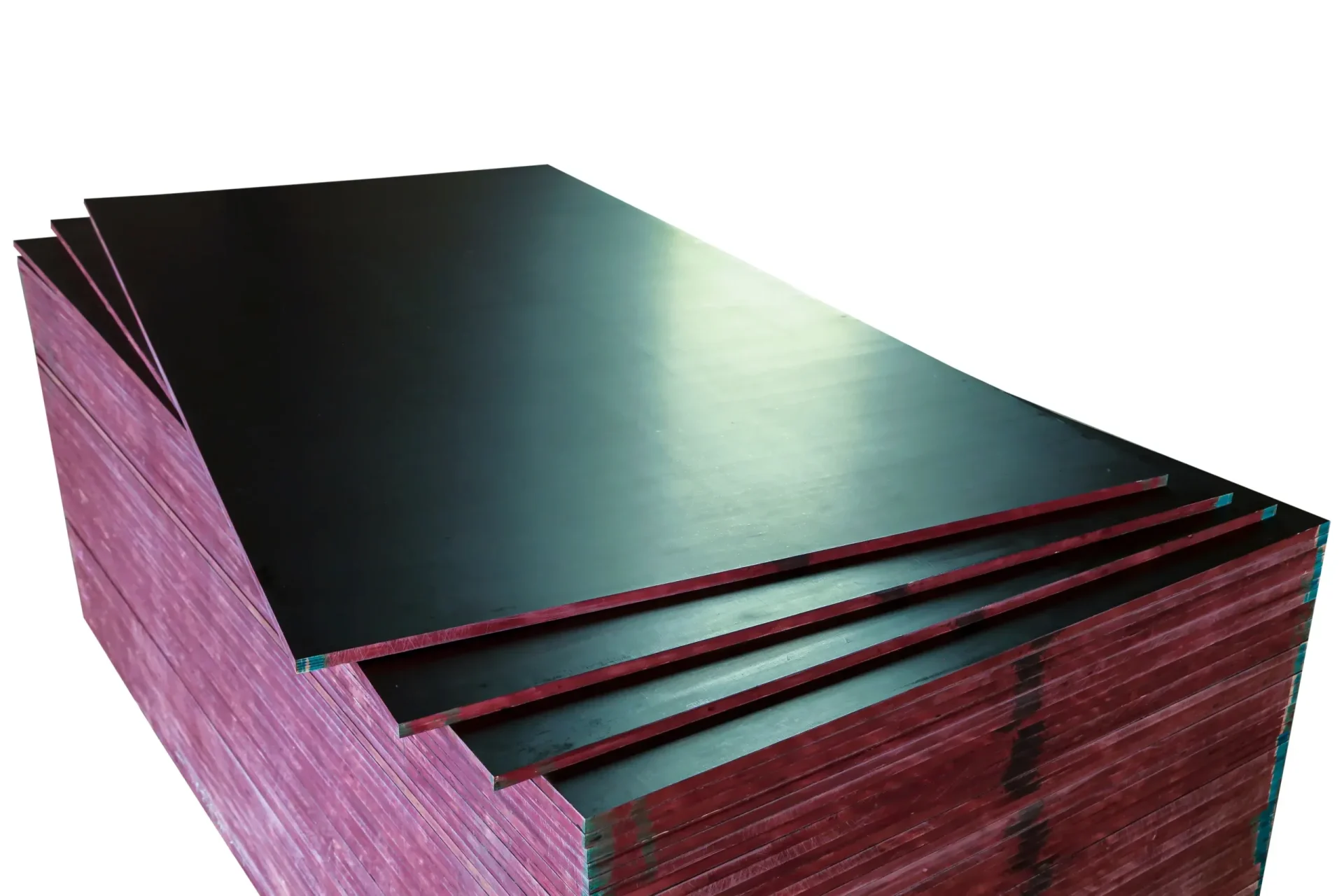
For the export of 필름 직면 합판, product compatibility stands as a key point of concern for buyers. Core wood selection, adhesive system and quality of the surface film will affect the panel performance during on-site application. In some scenarios, project parties tend to select core wood combinations with better stability to reduce the risk of panel deformation. The choice of adhesive system also relates to the panel’s tolerance under alternating wet and dry conditions. At the product selection stage, buyers generally pick suitable product versions according to the construction environment of projects, and a single specification may not fit all engineering scenarios.
For export procedures, preparation of compliance documents for 필름 직면 합판 serves as one part to support smooth cargo movement. Different territorial markets maintain corresponding requirements for material access and traceability of wood-based panels. During order confirmation, it is advisable to align supporting documents required by the target market with buyers in advance and sort out relevant certification materials, lowering the possibility of cargo hold-up after arrival at the port. Some markets also pay attention to documentation related to wood raw material traceability. Such items can be covered in early communications to help both parties confirm delivery plans.
Ocean shipping is a non-negligible part for Film Faced Plywood export. Temperature and humidity fluctuations during sea transportation may impose certain impacts on wood panels. Therefore, export packaging adopts moisture-proof protection and edge reinforcement. Sealing edges and adding outer protection during panel packing can mitigate damage caused by moisture and bumps in transit to some extent. Basic product information marked on package exteriors facilitates counting and warehouse management for receivers, easing handling during unloading and warehousing.
When communicating with overseas buyers for product selection, 필름 직면 합판 allows customized adjustments within a certain range. For instance, printed logos on panel surfaces and panel dimensions can be adjusted to match buyers’ requirements. Buyers may discuss suitable specifications based on project formwork solutions. Some orders can also confirm the type of surface film to meet the expected finish of concrete. Such custom adjustments generally need to be finalized at the early order stage to facilitate production scheduling.
Overall, 필름 직면 합판 maintains steady demand within the overseas construction formwork market. Overseas project procurement decisions usually take multiple dimensions into account, including panel performance, delivery arrangements and territorial compliance requirements. When buyers evaluate products, it is recommended to make comprehensive judgments combining project working conditions and local material requirements. Suppliers may prepare product descriptions and supporting documents in advance to support smooth execution of cross-border orders.